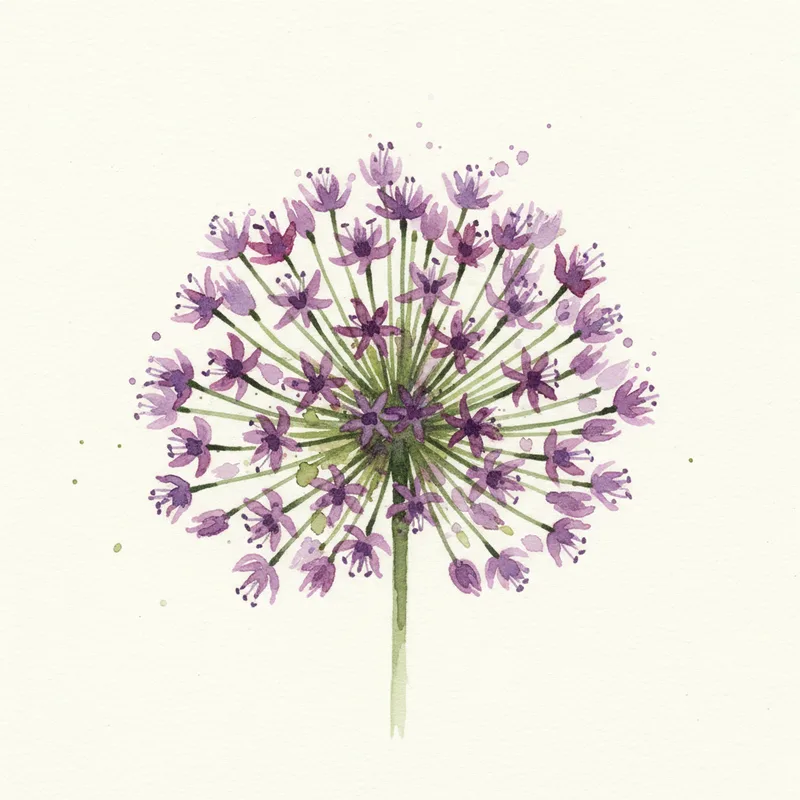
Dramatic globe-shaped heads on tall stems. Architectural and deer-proof.
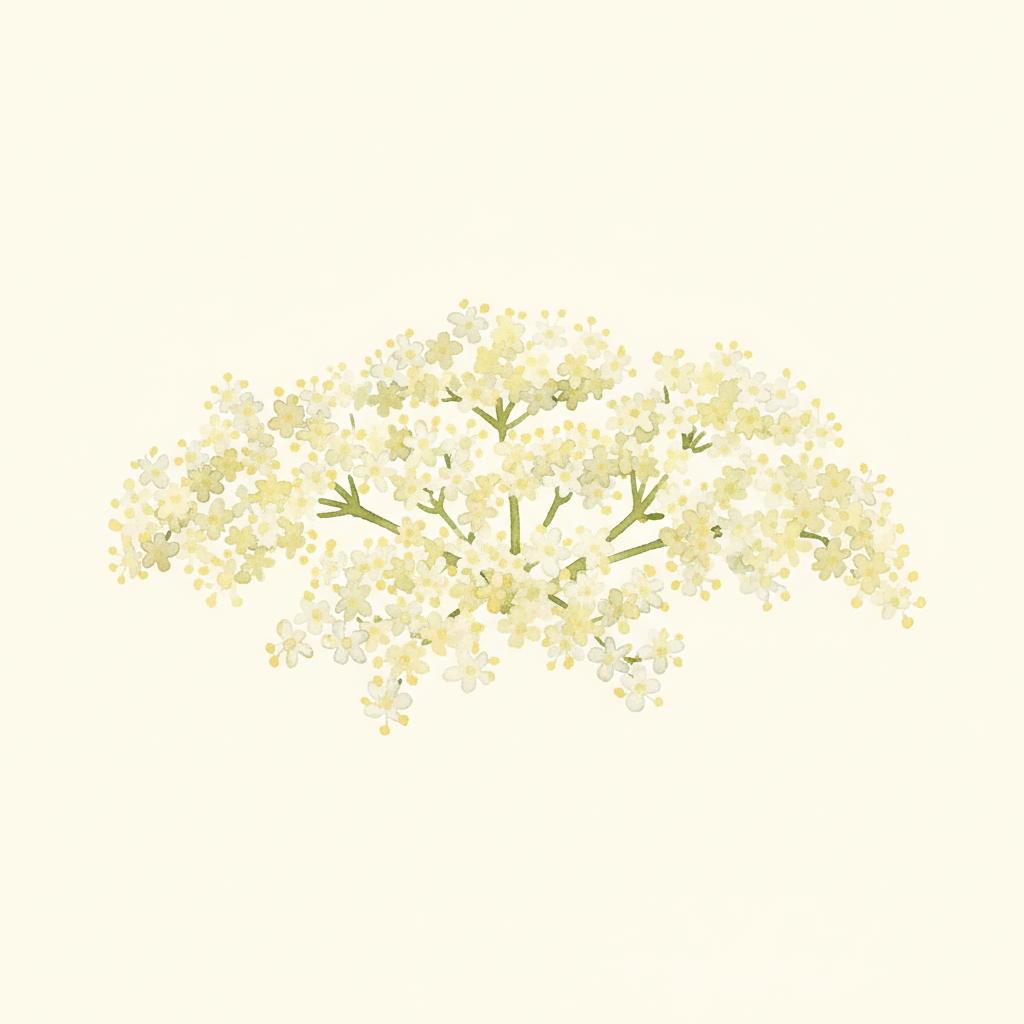
Large flat clusters of creamy flowers in early summer give way to dark berries for jams and wildlife.
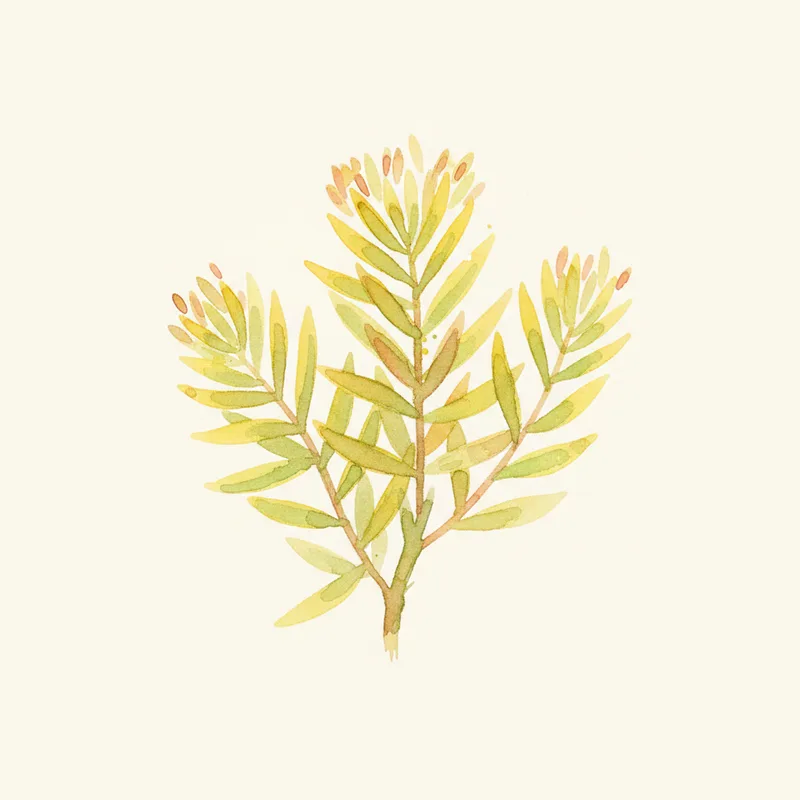
Chartreuse needle-like foliage turns golden orange in fall. Tiny yellow flowers are a bonus.
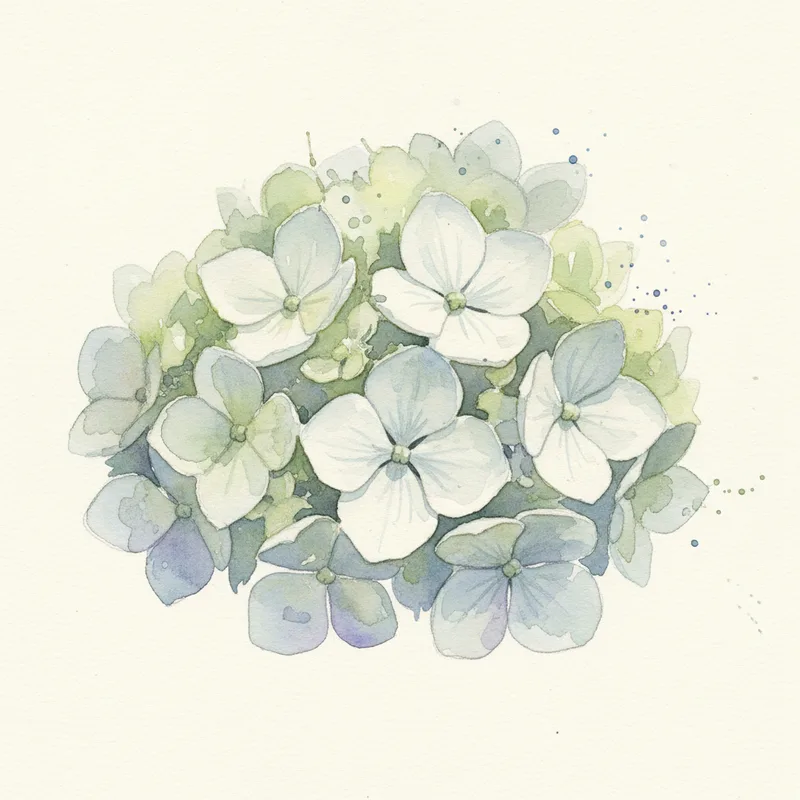
Enormous snowball blooms on a native species. Blooms on new wood, so prune hard in spring.
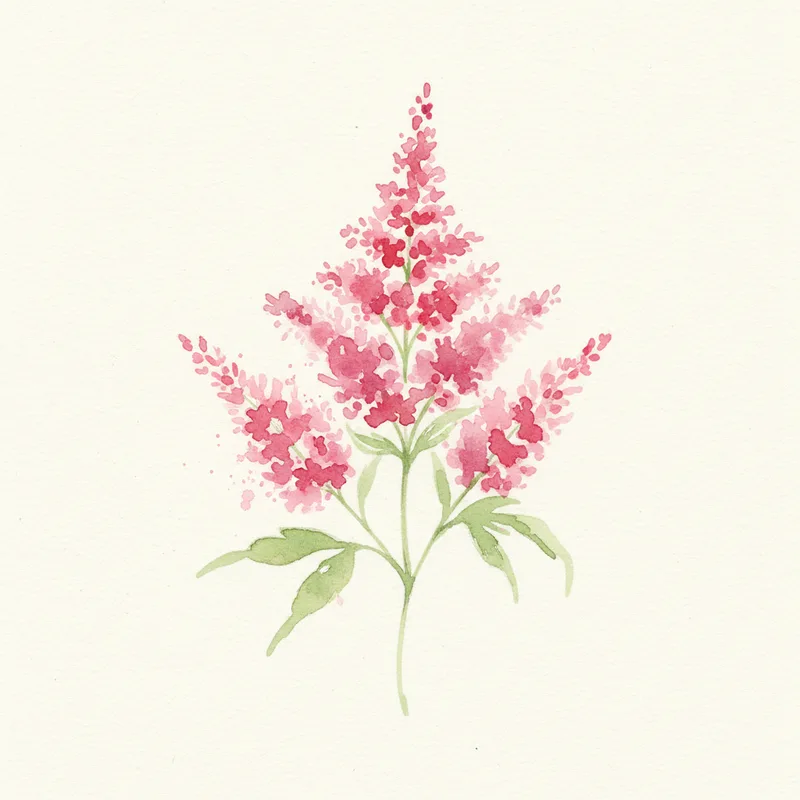
Feathery plumes that light up shady, moist spots like nothing else can.
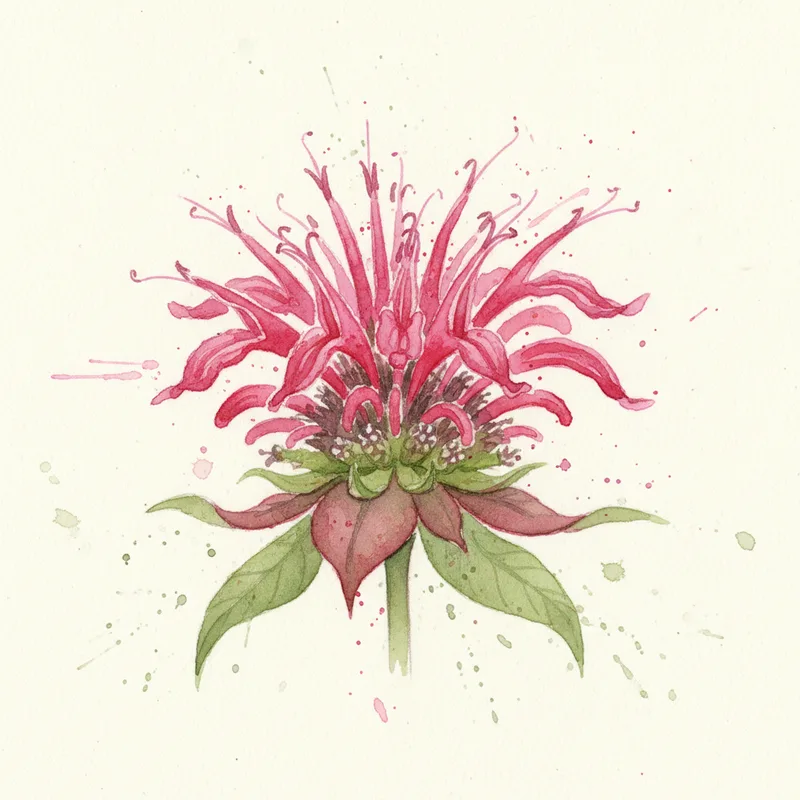
Shaggy, crown-shaped flowers that hummingbirds fight over.
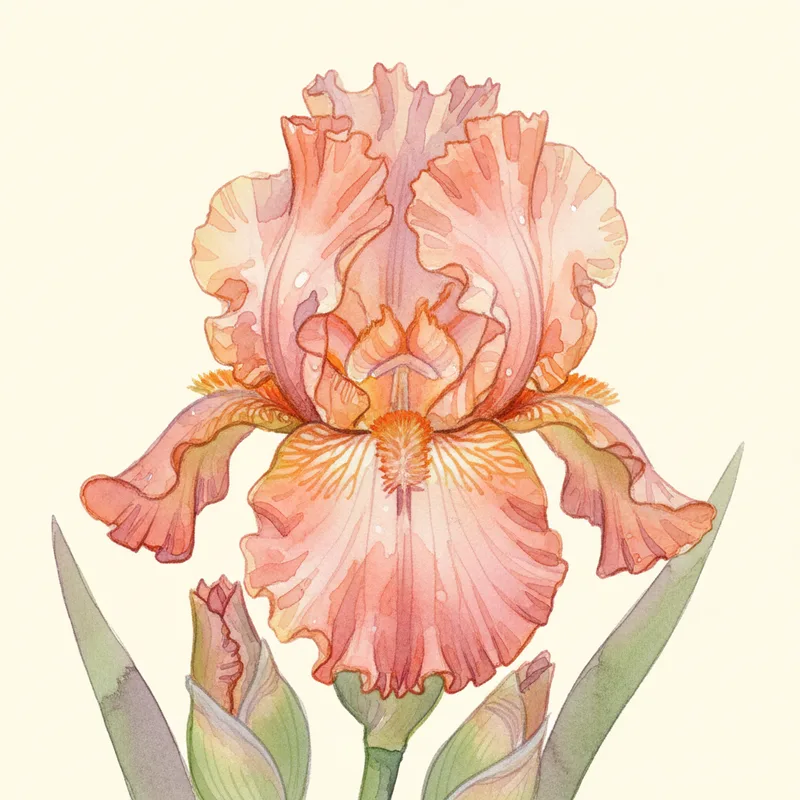
Coral-pink blooms with a tangerine beard. Named for the opera star and just as elegant.
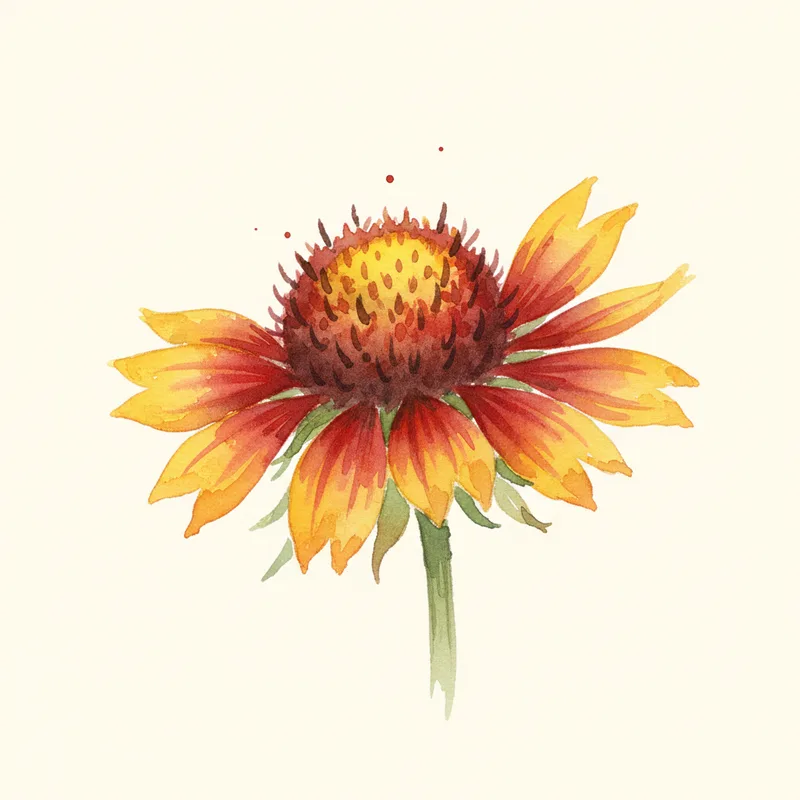
Fiery bicolor pinwheels that bloom nonstop in the worst heat and soil.
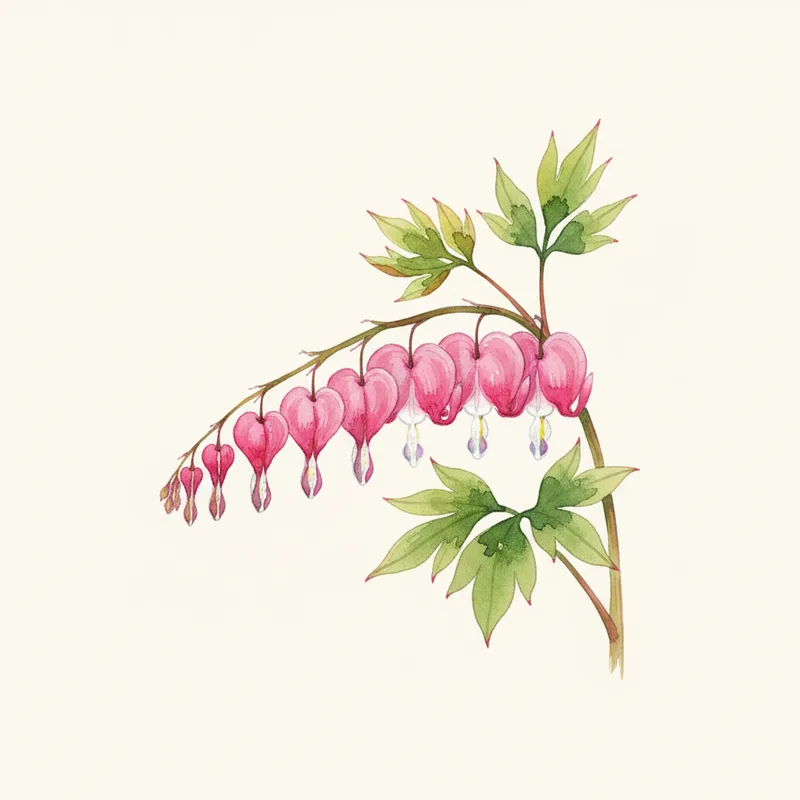
Arching sprays of heart-shaped flowers for shady woodland gardens.
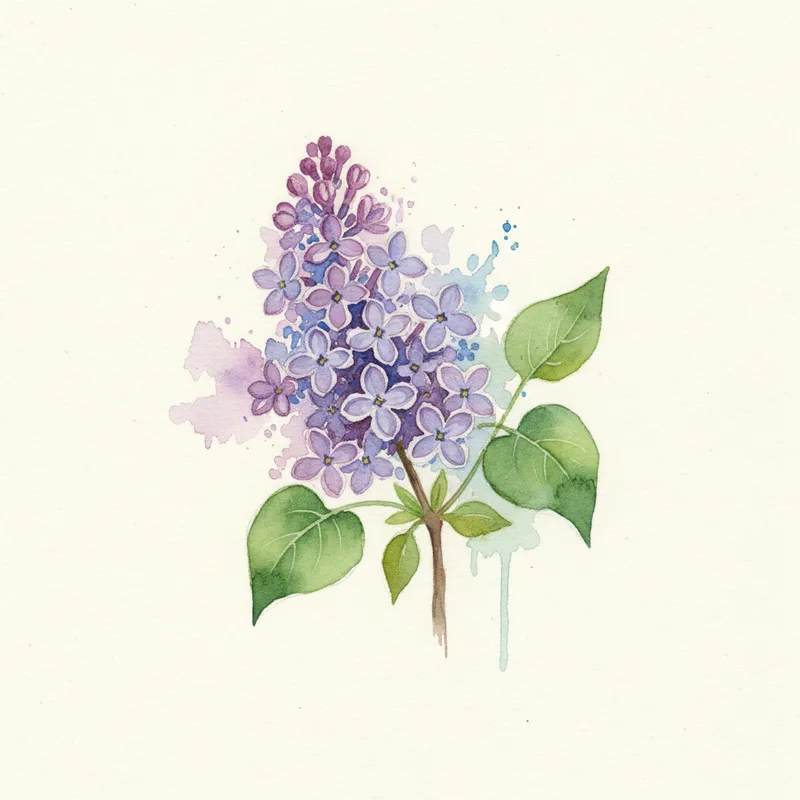
Blooms in spring, then reblooms summer through frost. Compact habit with classic lilac fragrance.
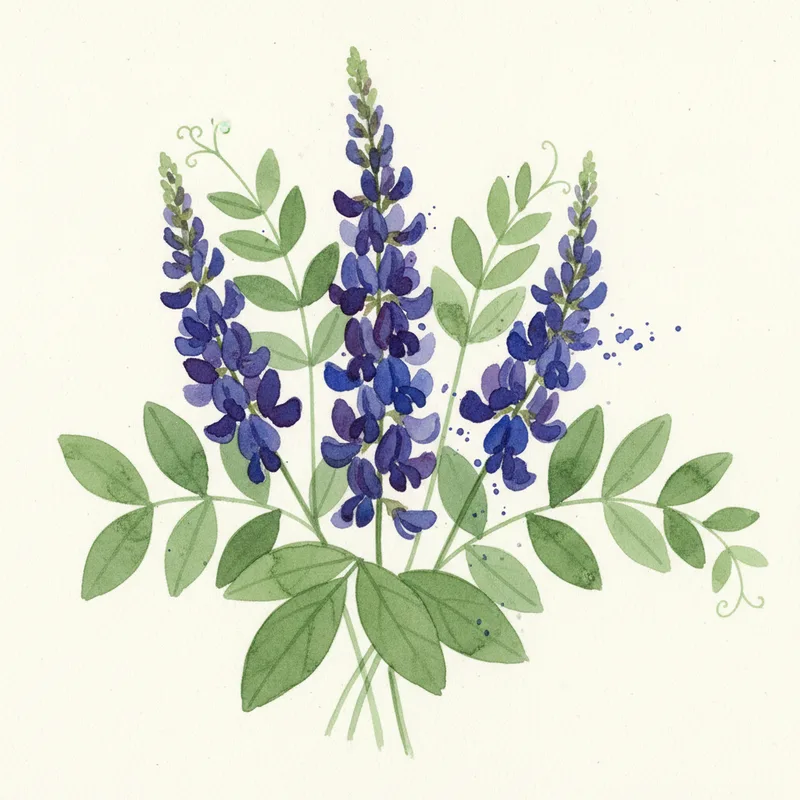
Lupine-like spikes on a native that lives forever. Gets better with age.
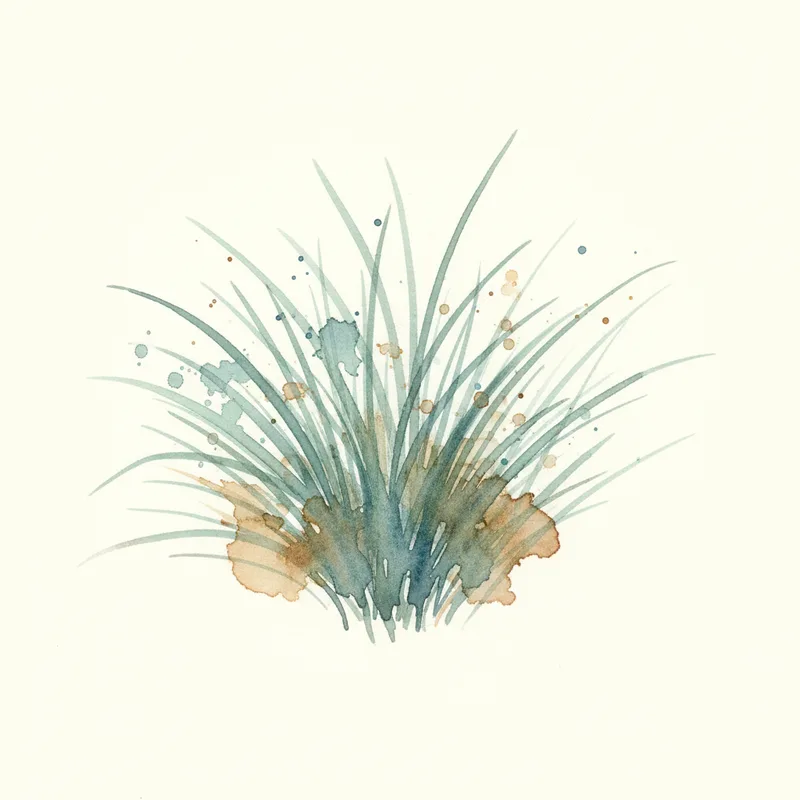
Steel-blue tufted mound. Perfect edging or rock garden accent.
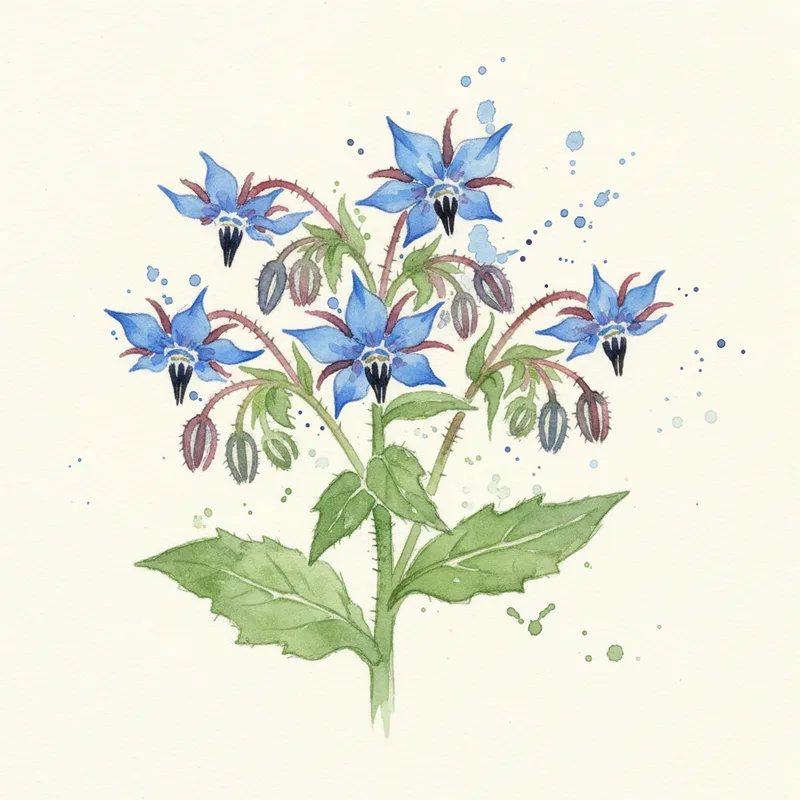
Star-shaped electric blue flowers that bees go absolutely wild for. Self-sows freely.
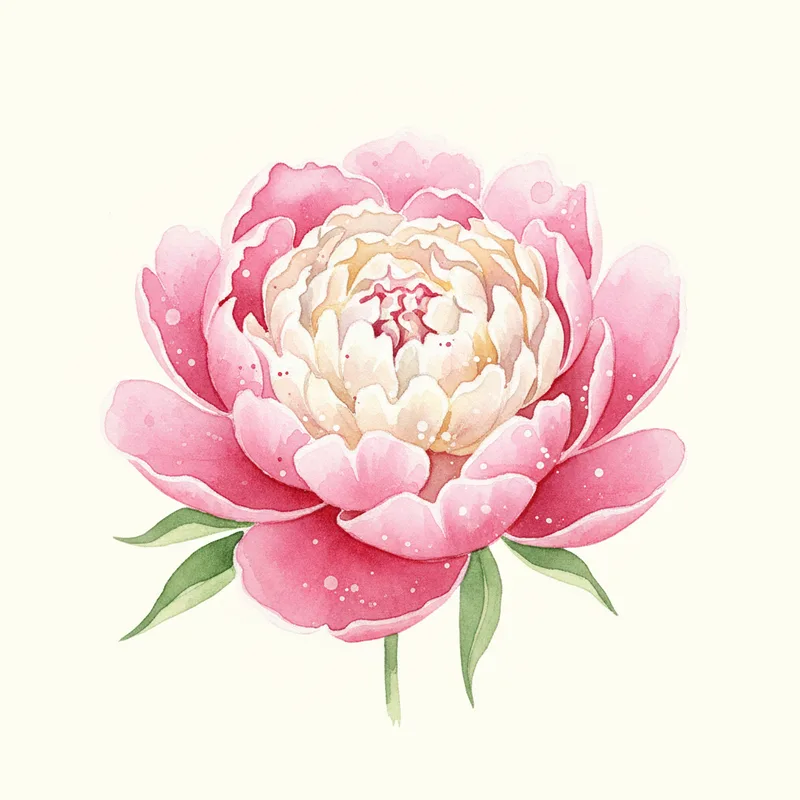
Hot pink outer petals cup a creamy center of narrow petaloids. Dramatic and unmistakable.
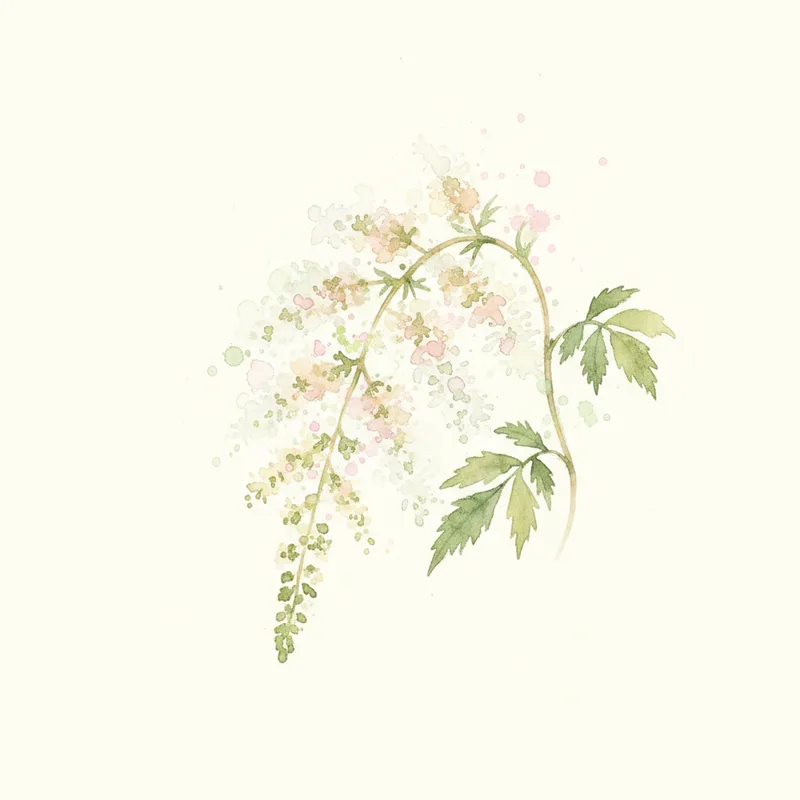
Graceful cascading white plumes on dark stems. Luminous in a shady corner.
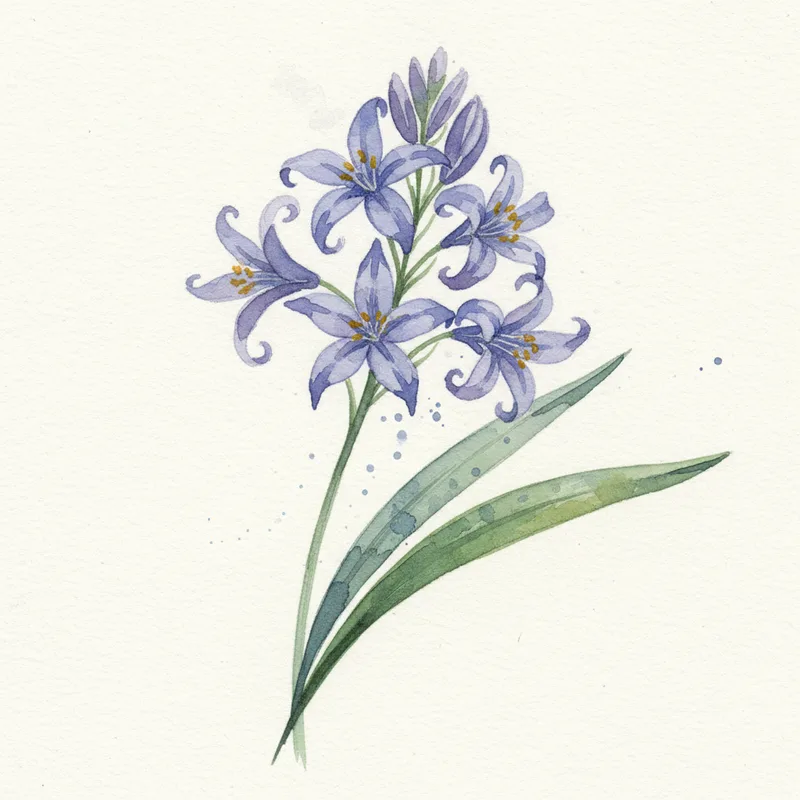
Tall spikes of starry flowers rise above strappy foliage in late spring.
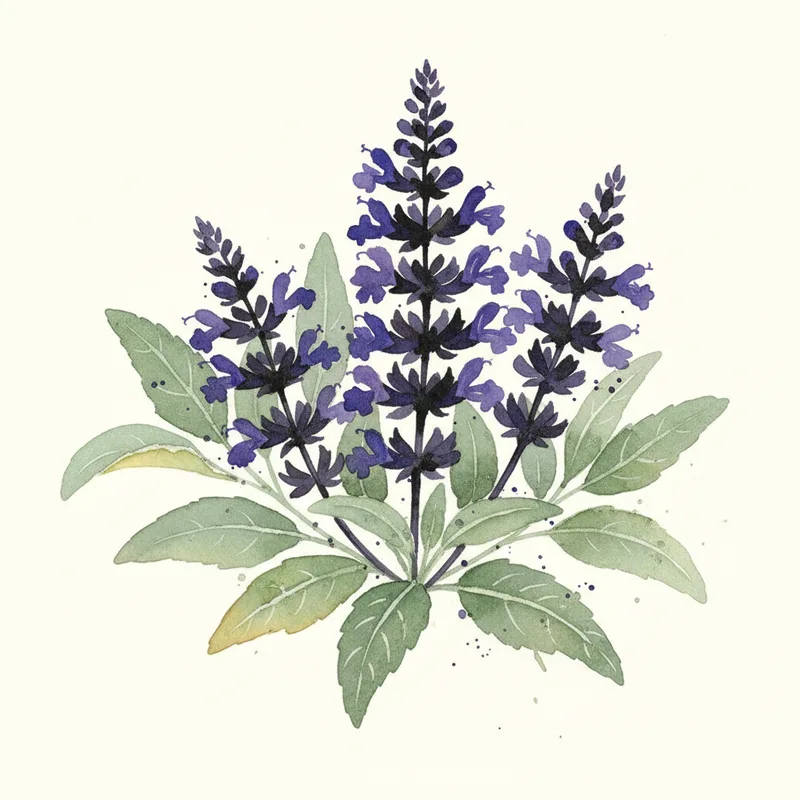
Dark purple stems set this apart from every other salvia. Vertical, architectural, electric.
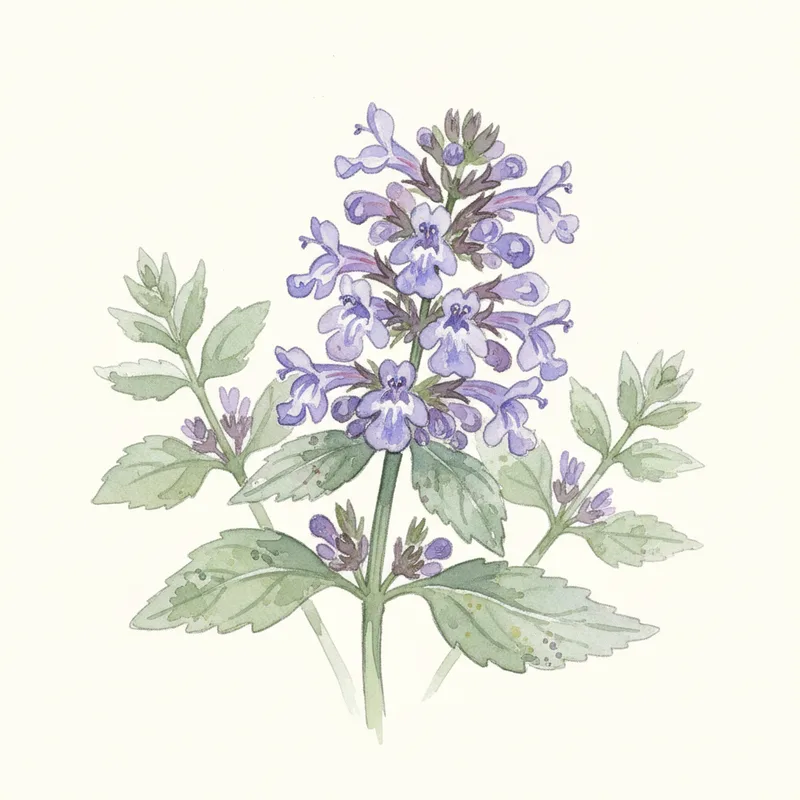
Tidy, dome-shaped habit that never flops open. Stays compact without shearing.
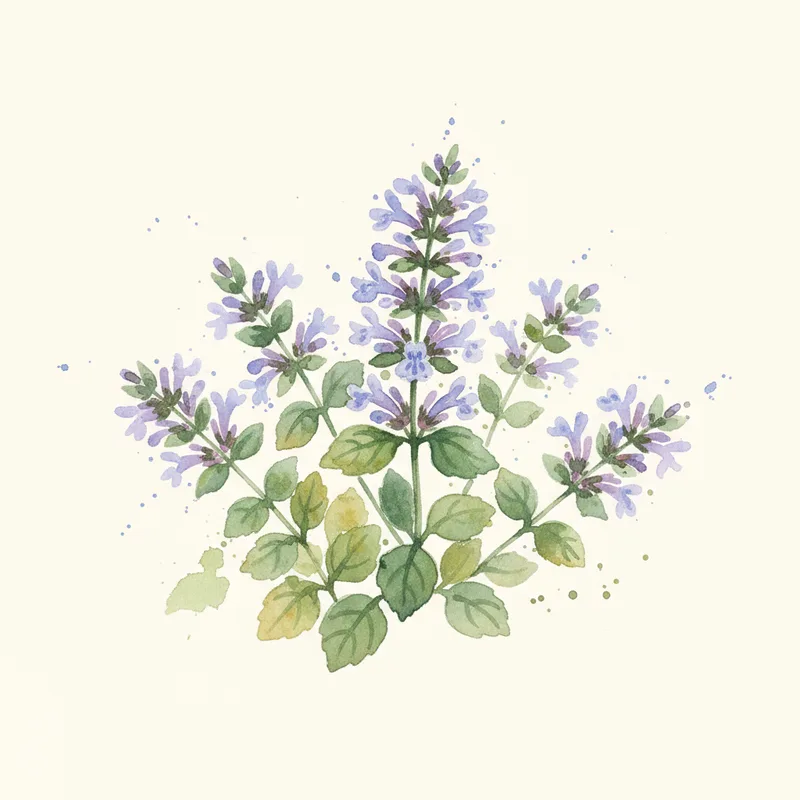
Billowy lavender-blue haze that blooms all season if you shear it back.
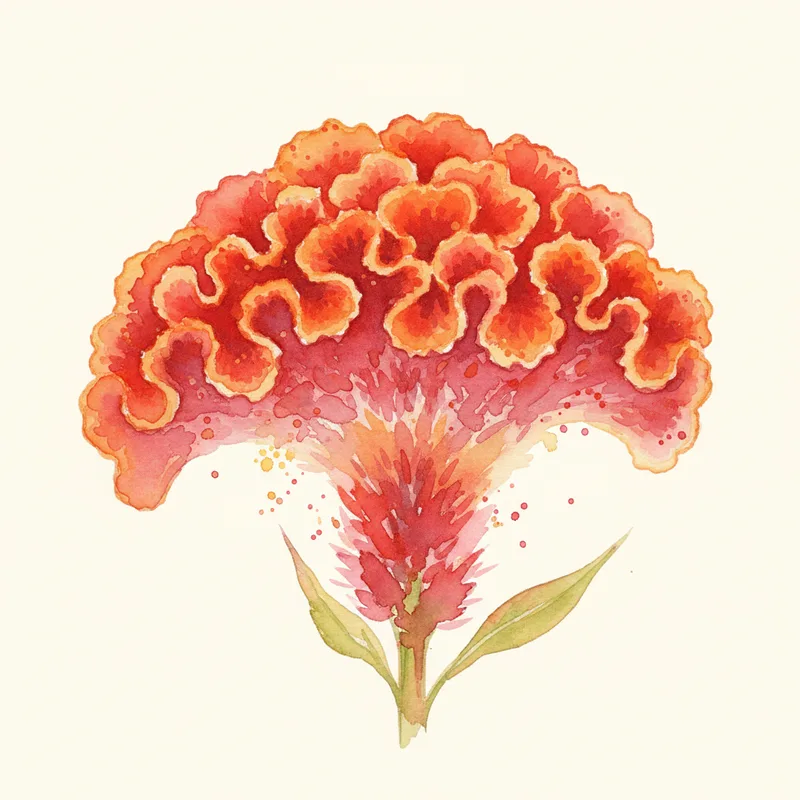
Flame-shaped or crested flowers in electric colors that dry beautifully. Heat lovers that thrive in summer.
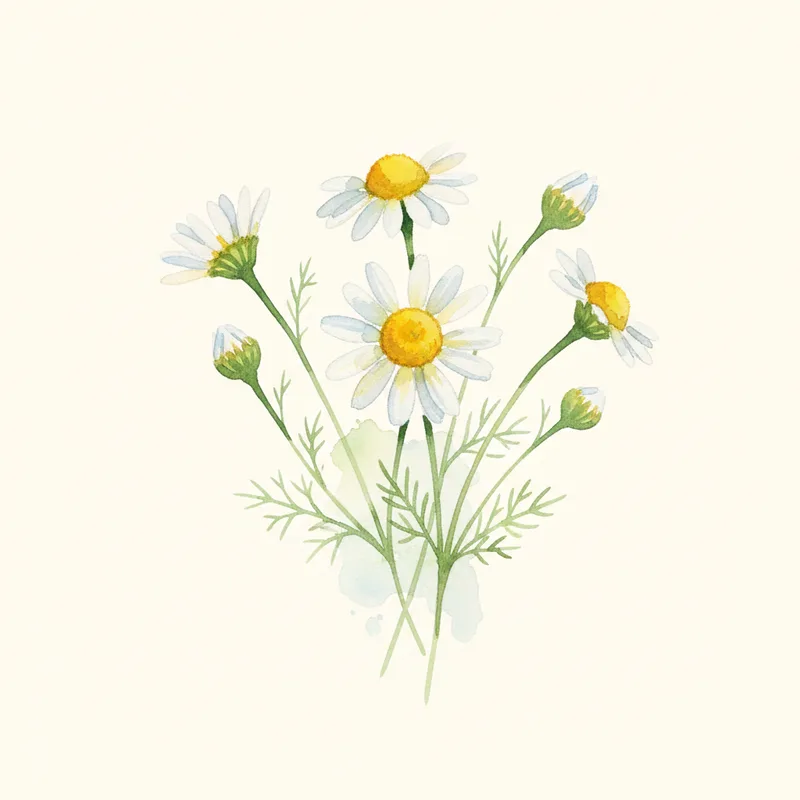
Tiny daisy flowers with apple-scented foliage. Brew into tea or let it naturalize between pavers.
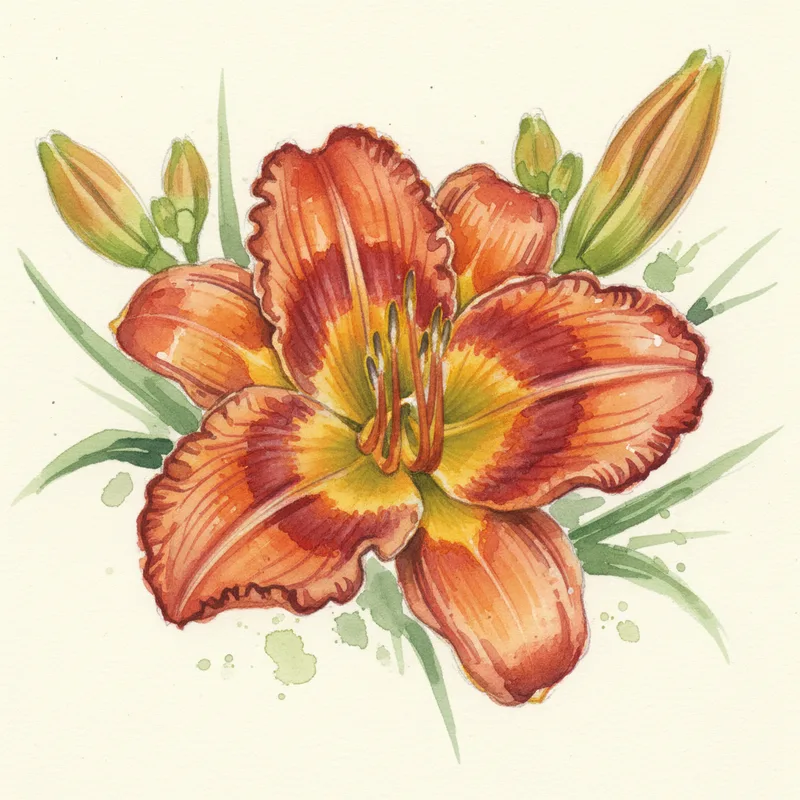
Scarlet red with a velvety texture. One of the best true red daylilies available.
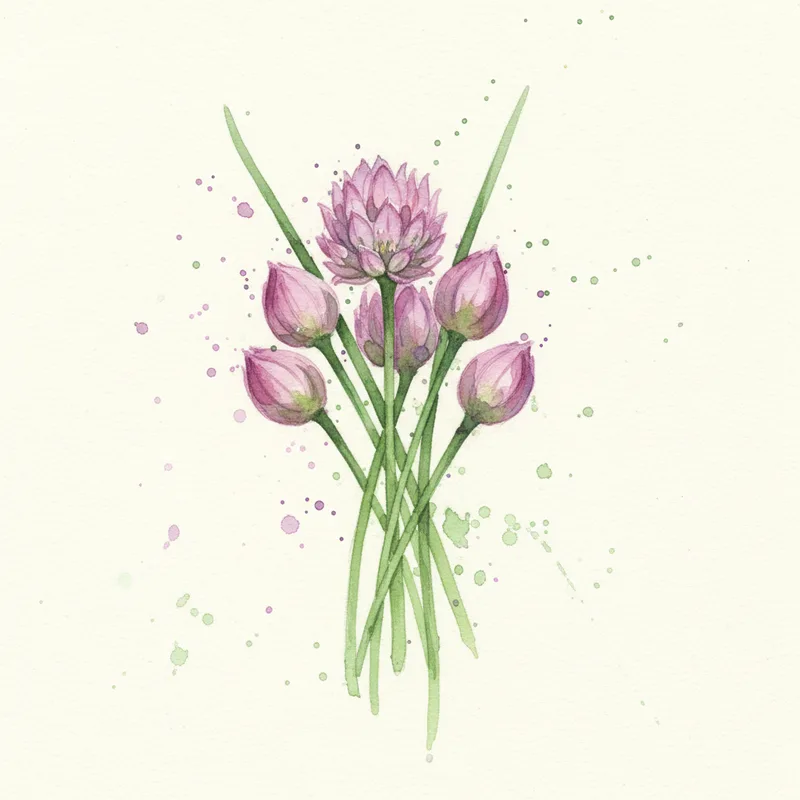
Cheerful purple pom-pom flowers on a kitchen staple. Edible blooms make any salad Instagram-worthy.
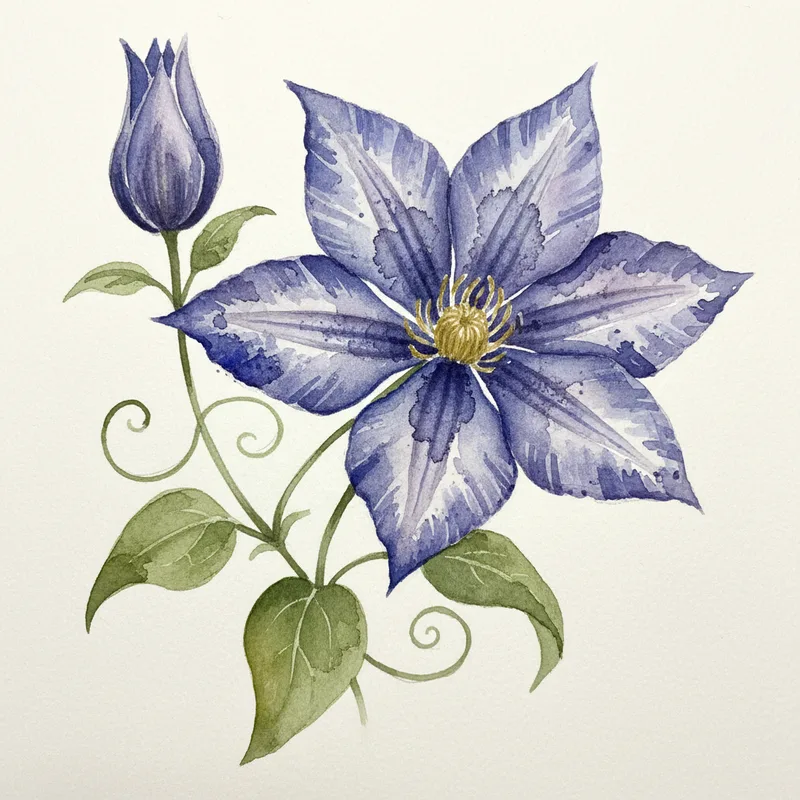
The queen of flowering vines. Over 300 species, something for every spot.
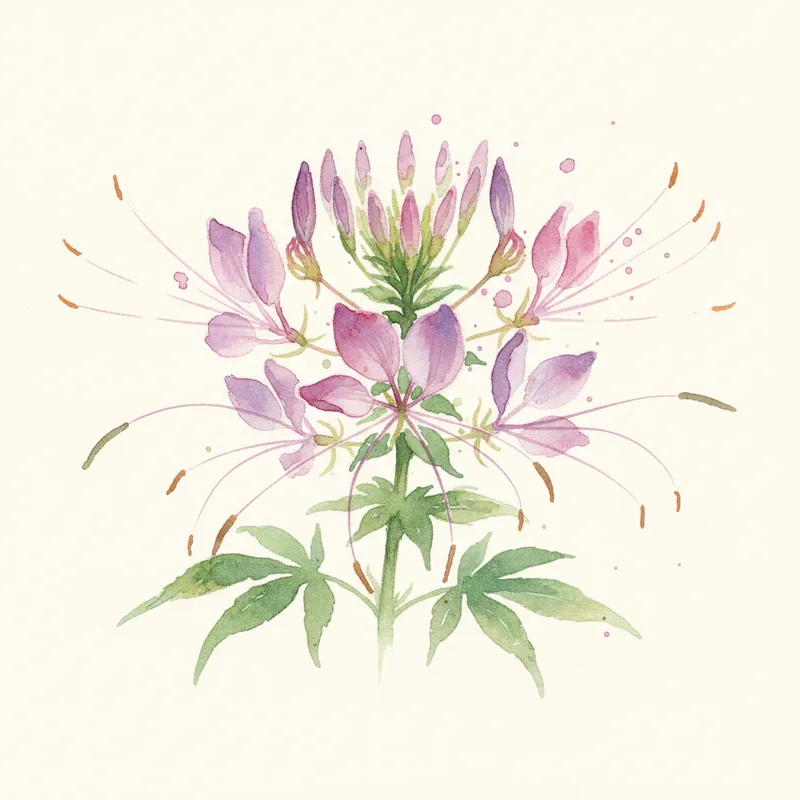
Spider-flower with whisker-like stamens and airy blooms. Tall, dramatic annual that self-sows freely.
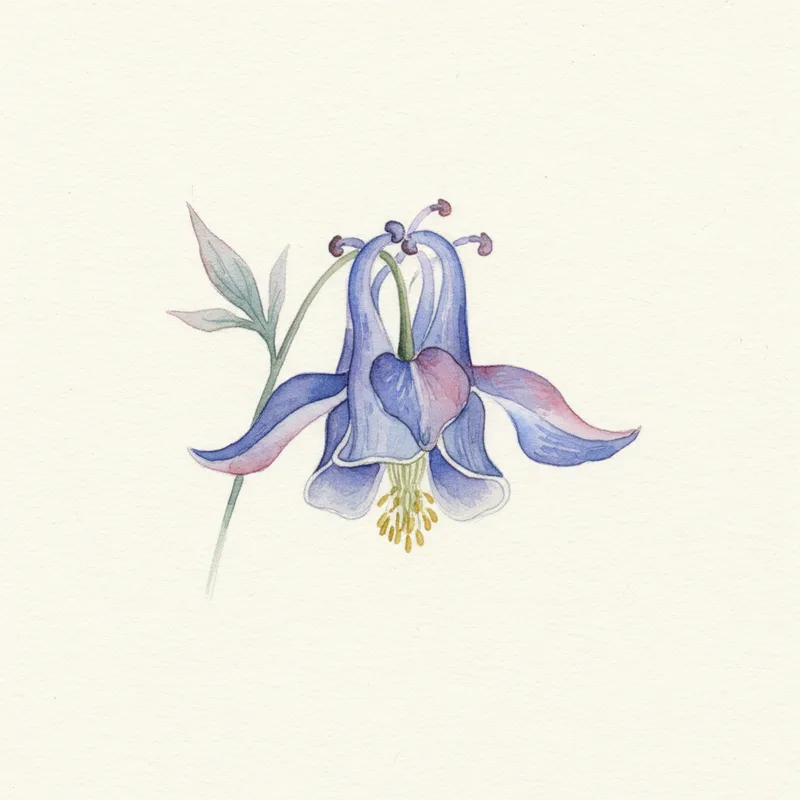
Delicate, spurred flowers that dance on wiry stems. Hummingbird favorite.
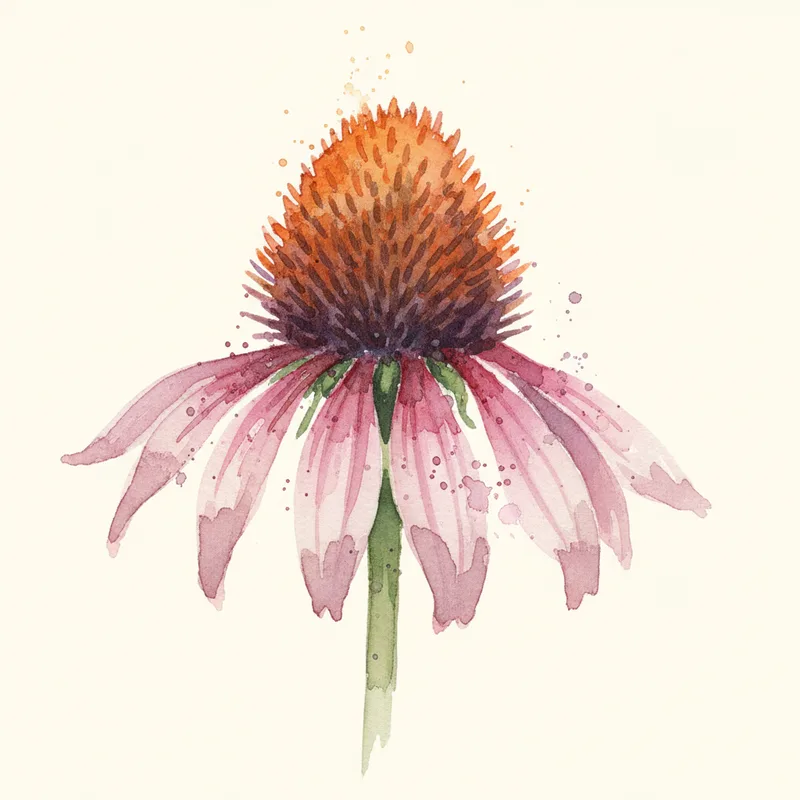
Tough prairie native with long bloom season and medicinal history.
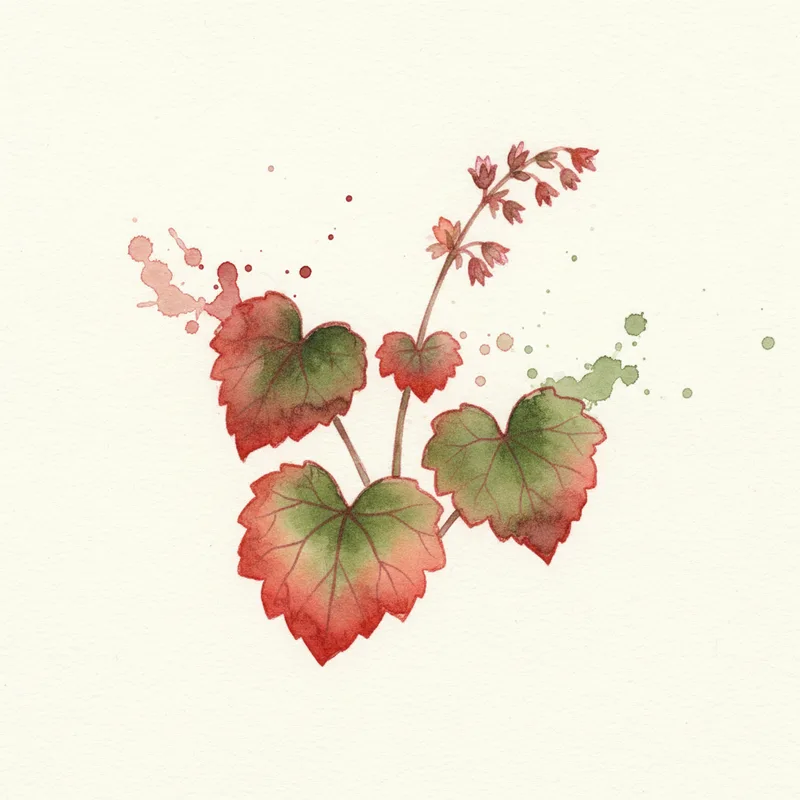
Grown mostly for dramatic foliage, but the tiny bell flowers are a bonus.
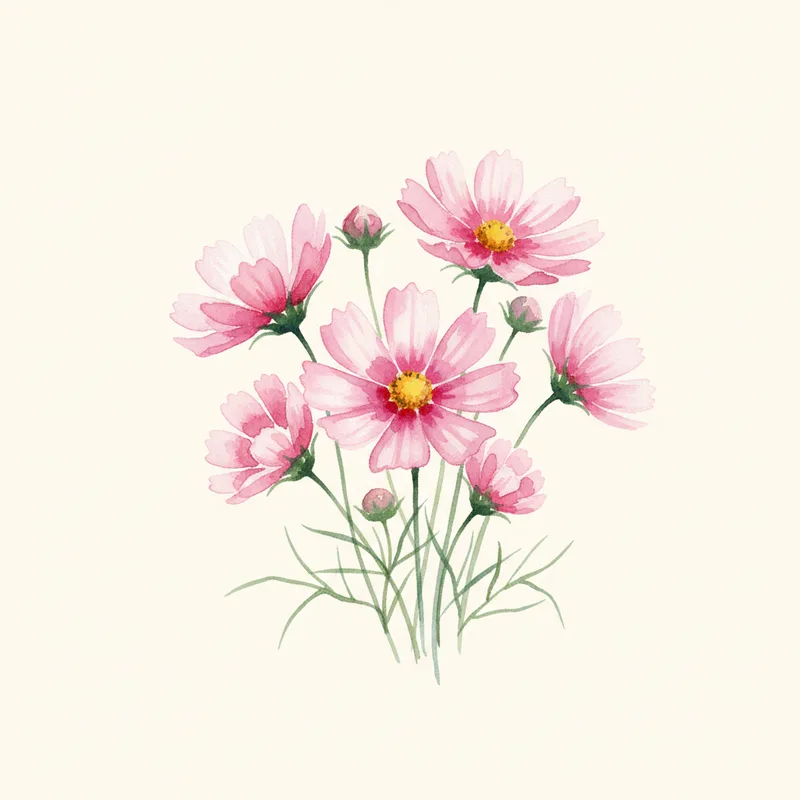
Airy, dancing flowers on thread-thin stems. Effortless cottage garden charm.
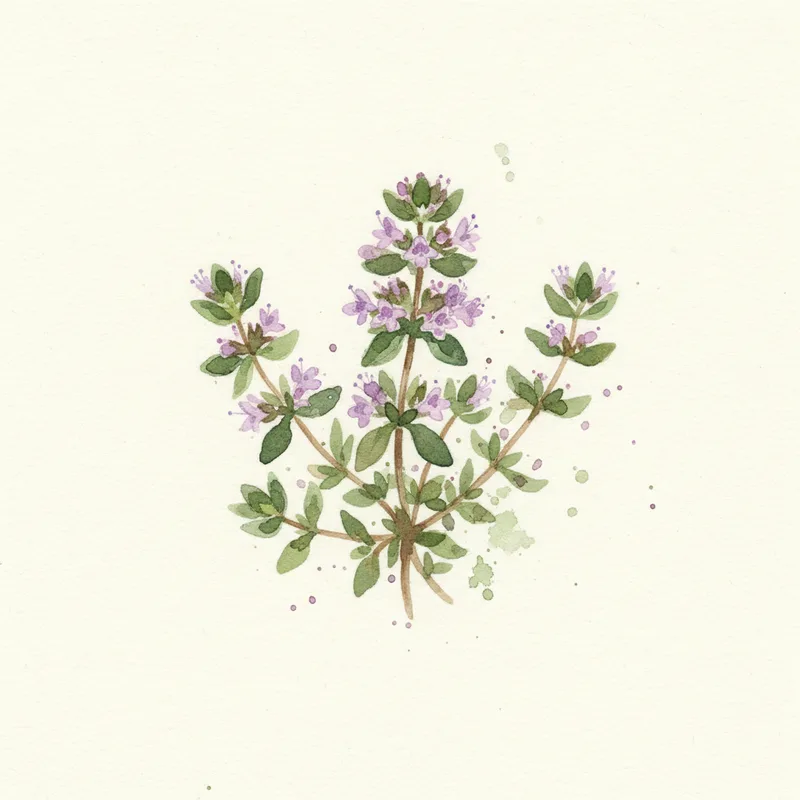
Fragrant, walkable ground cover. Bees love it, foot traffic can't kill it.
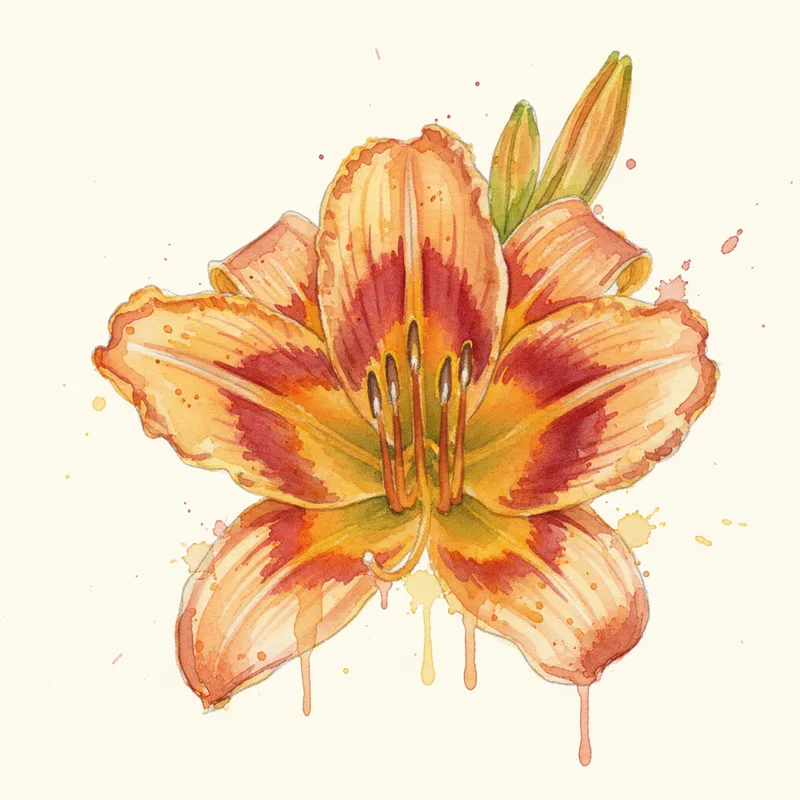
Virtually indestructible perennial with trumpet blooms in every warm hue.
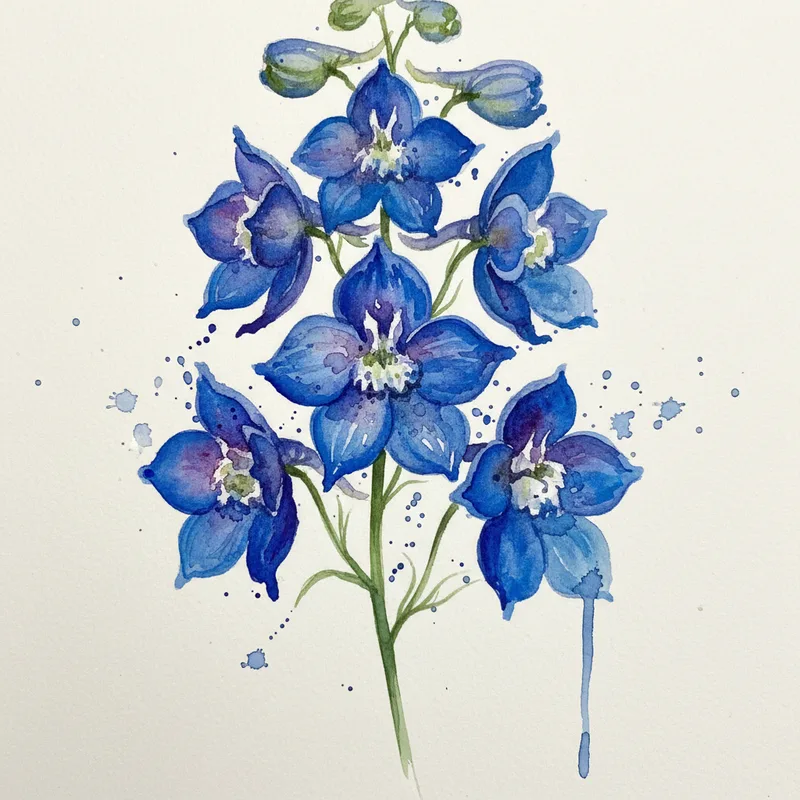
Towering spires of true blue. The tallest, most dramatic back-of-border plant.
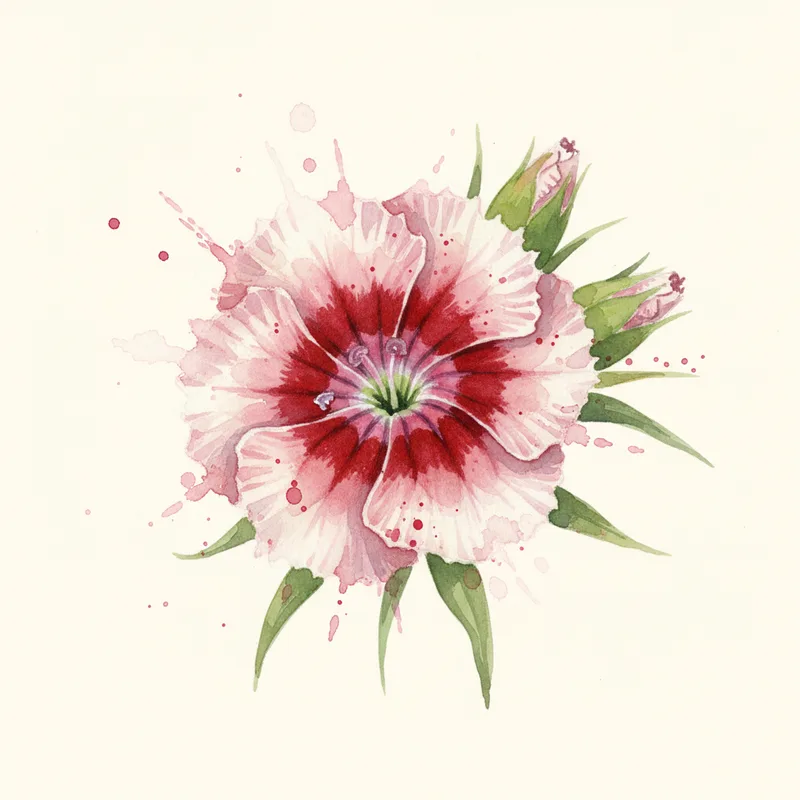
Spicy-scented, fringed petals. One of the best edging plants there is.
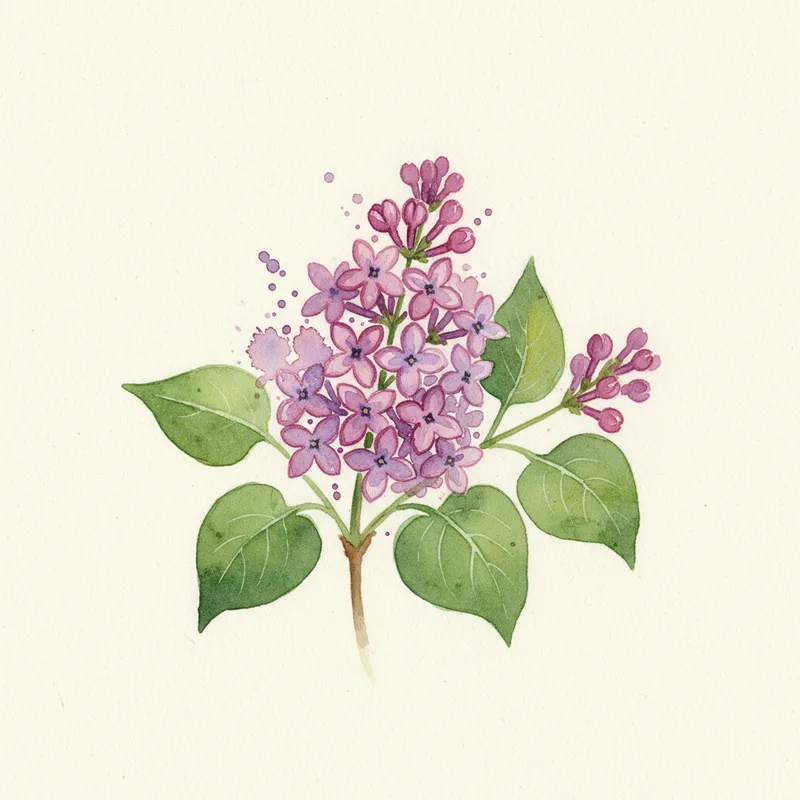
Slow-growing dwarf with dense rounded habit. Perfect for small gardens and foundation plantings.
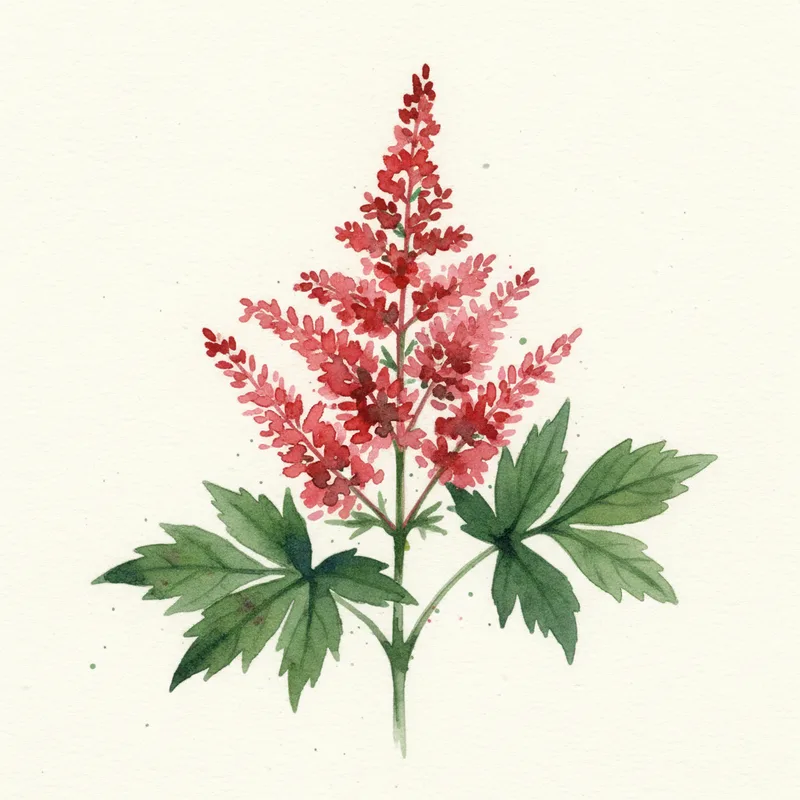
The deepest garnet-red of any astilbe. Dark bronze foliage makes those plumes glow.
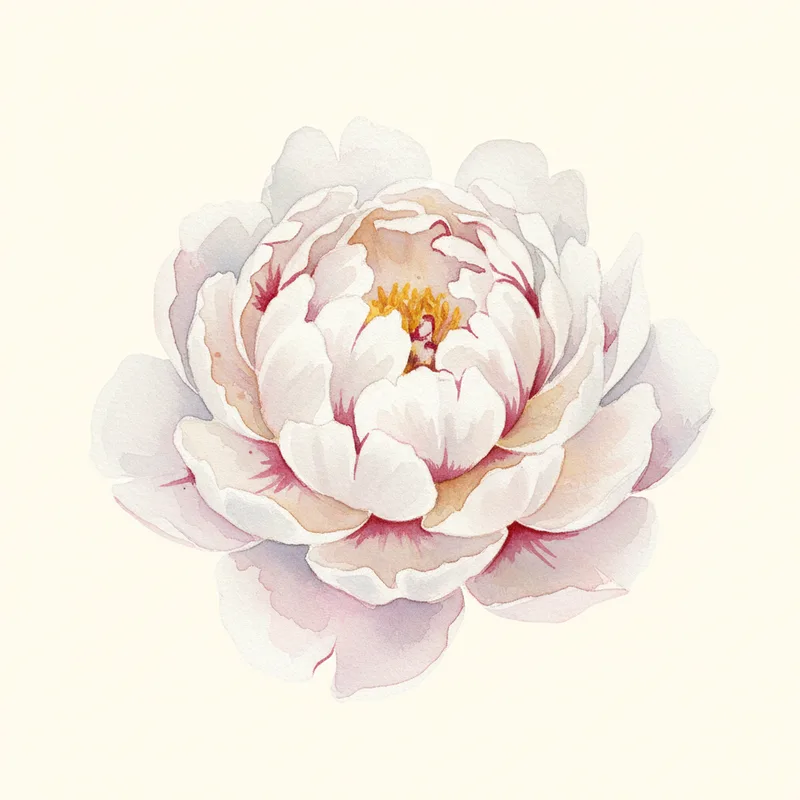
Pure white double blooms flecked with crimson at the center. Beloved since 1851 and still unmatched.
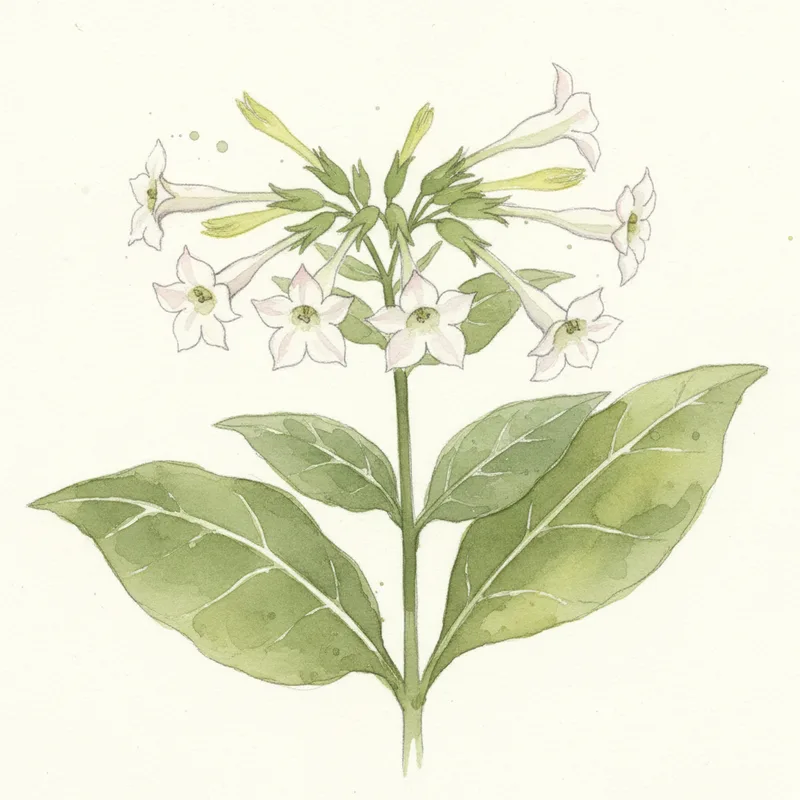
Tubular flowers that release sweet fragrance at dusk. A cottage garden classic that attracts moths and hummingbirds.
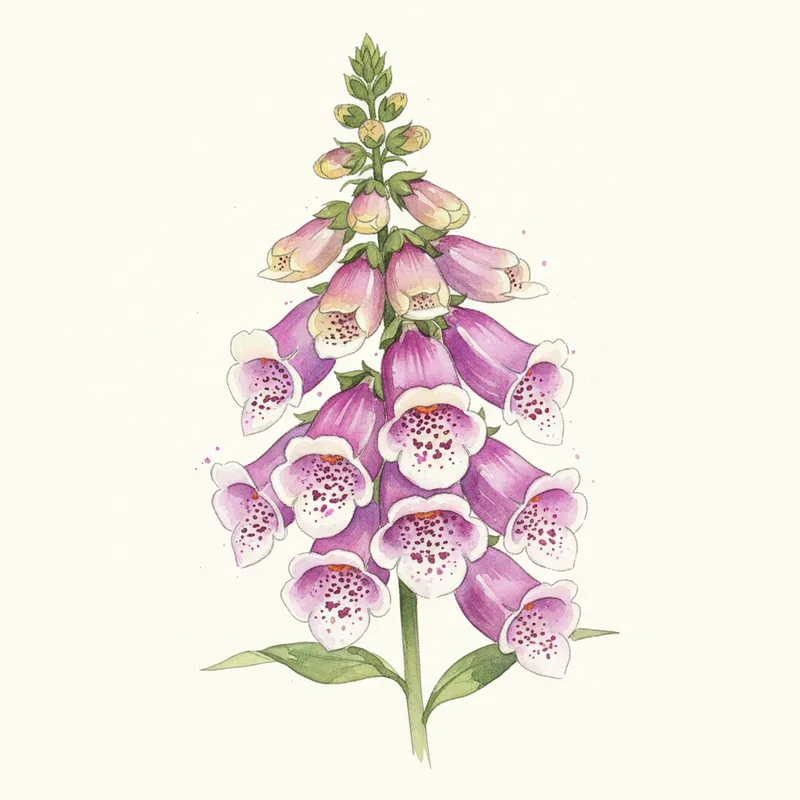
Stately spires of spotted, bell-shaped flowers. Cottage garden royalty.
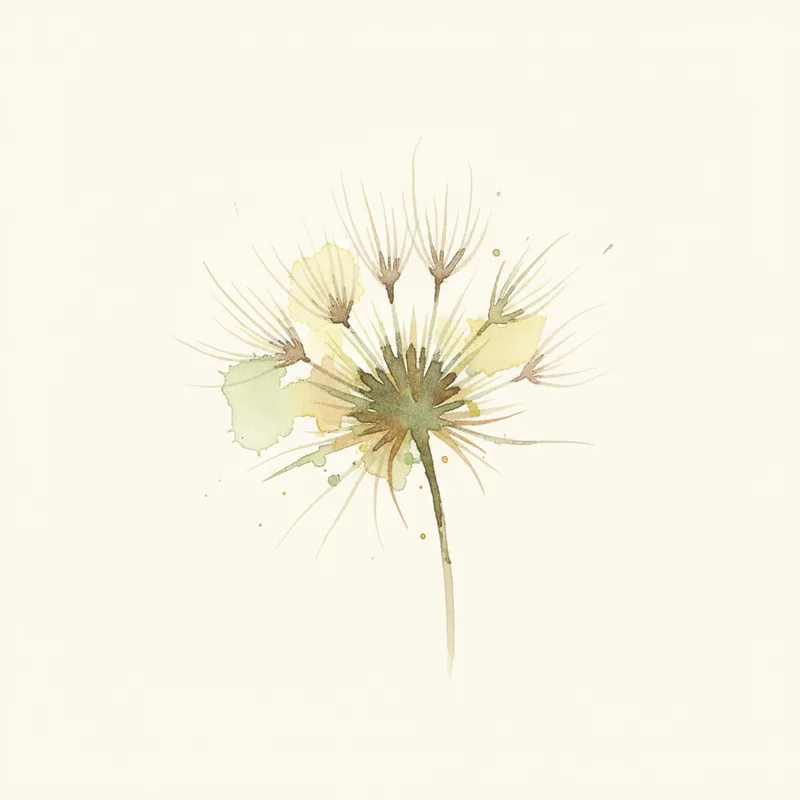
Giant creamy plumes like an astilbe on steroids. Native woodland giant that anchors a shade border.
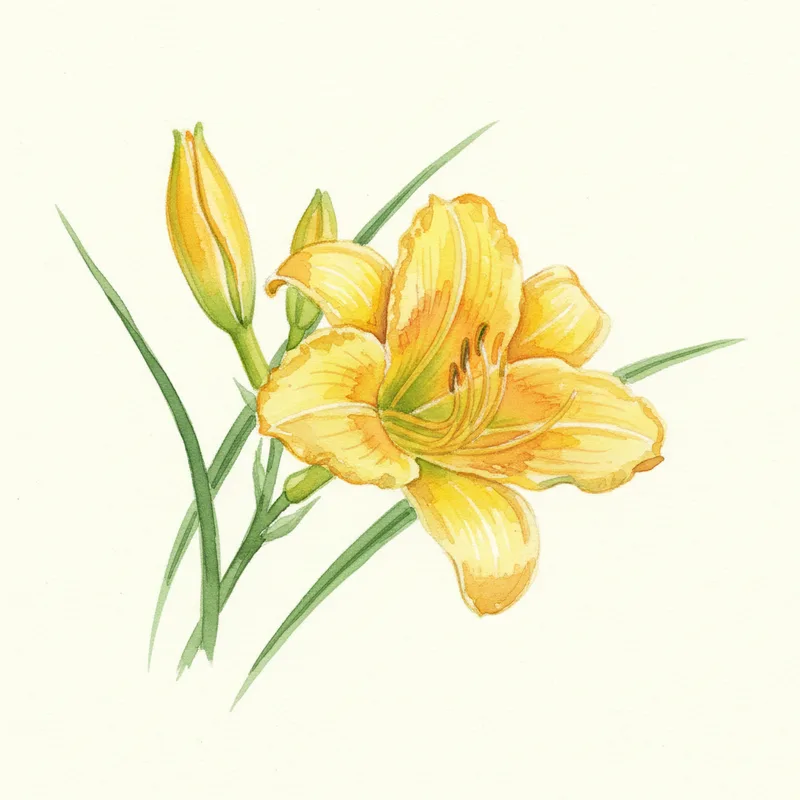
Lemon-yellow rebloomer with light fragrance. A bit taller than Stella with softer color.
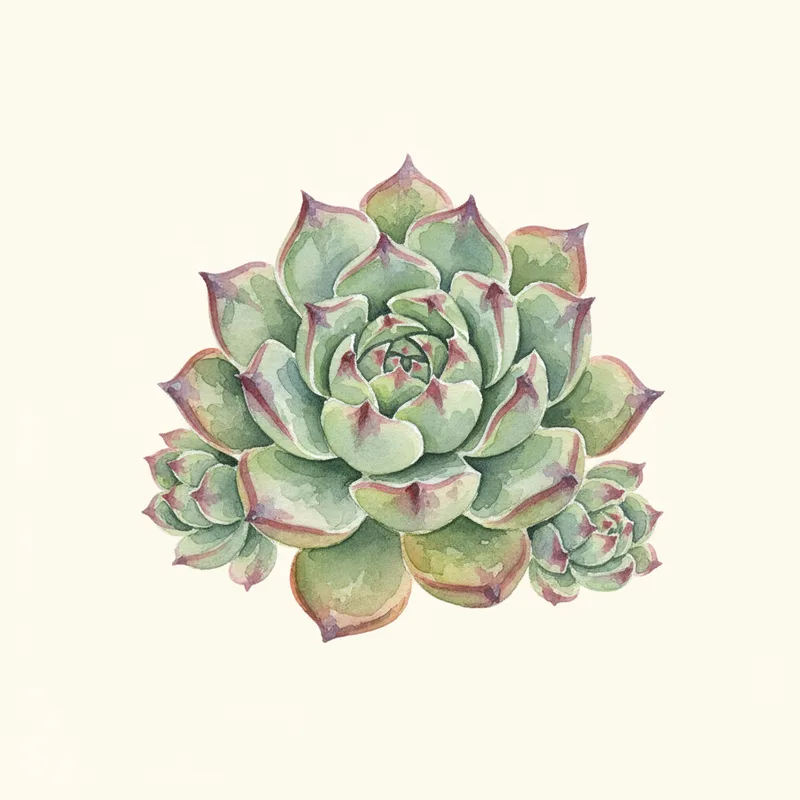
Tight rosettes that multiply by producing offsets. The mother plant flowers once, then dies, replaced by chicks.
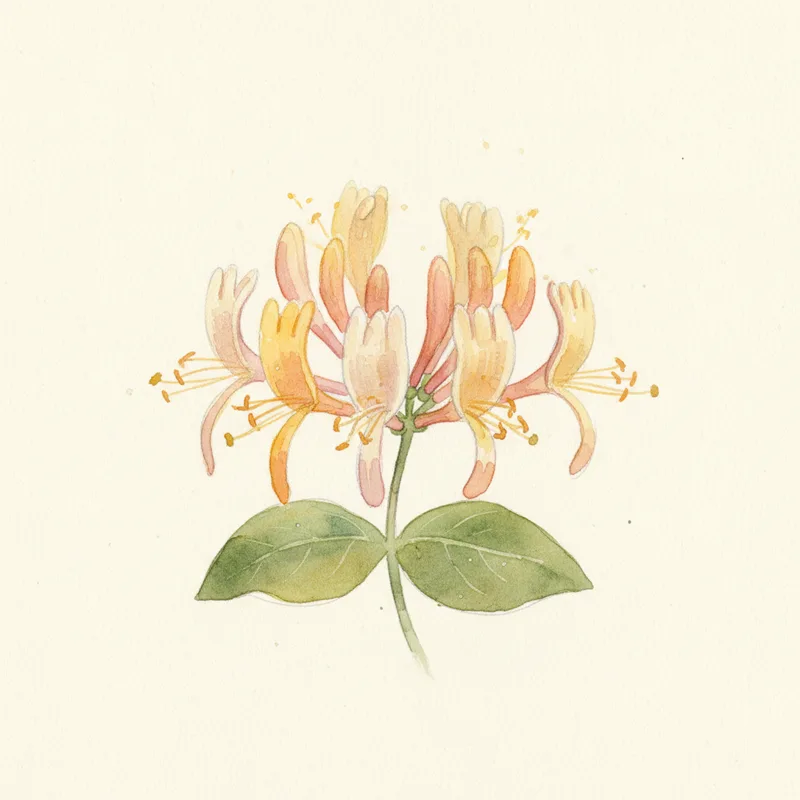
Tubular, nectar-rich flowers with a fragrance that defines summer evenings.
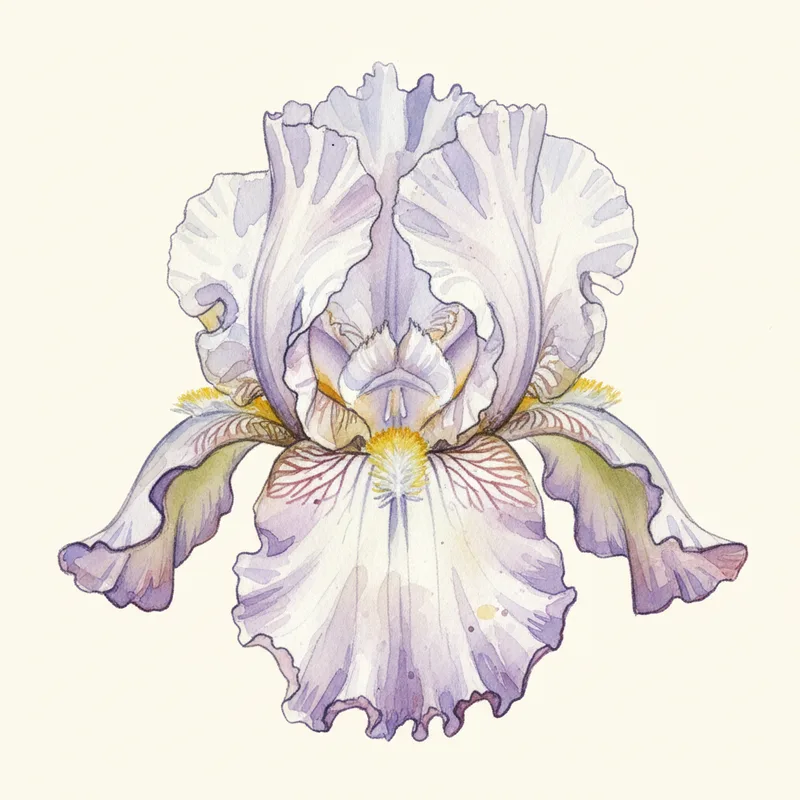
Reliable rebloomer with pure white ruffled falls. Blooms spring, then again in fall.
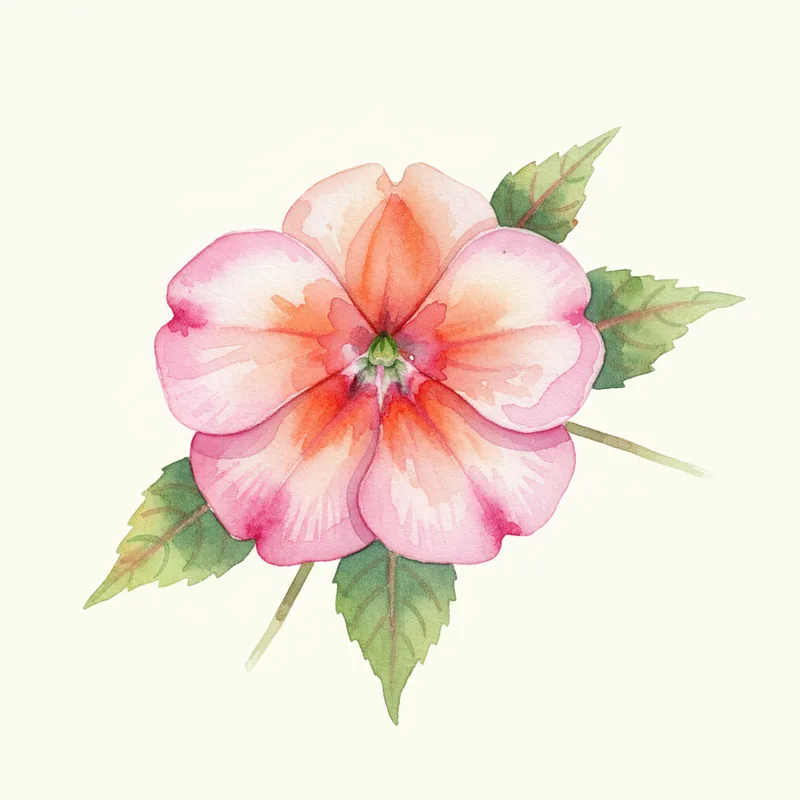
The shade annual champion. Flowers prolifically where nothing else will.
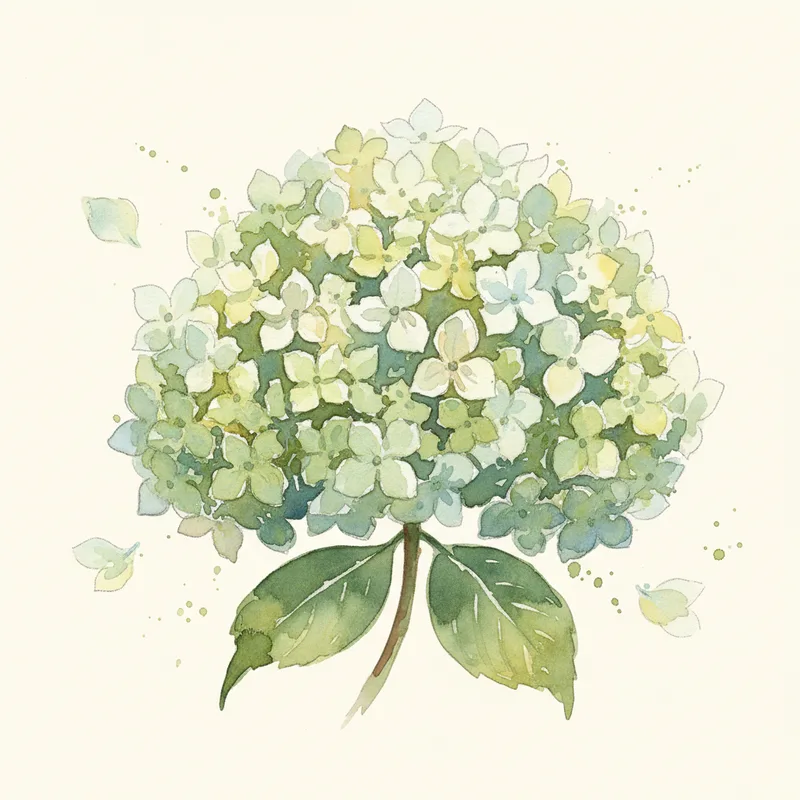
Annabelle's bigger sibling with stronger stems that don't flop. Blooms the size of basketballs.
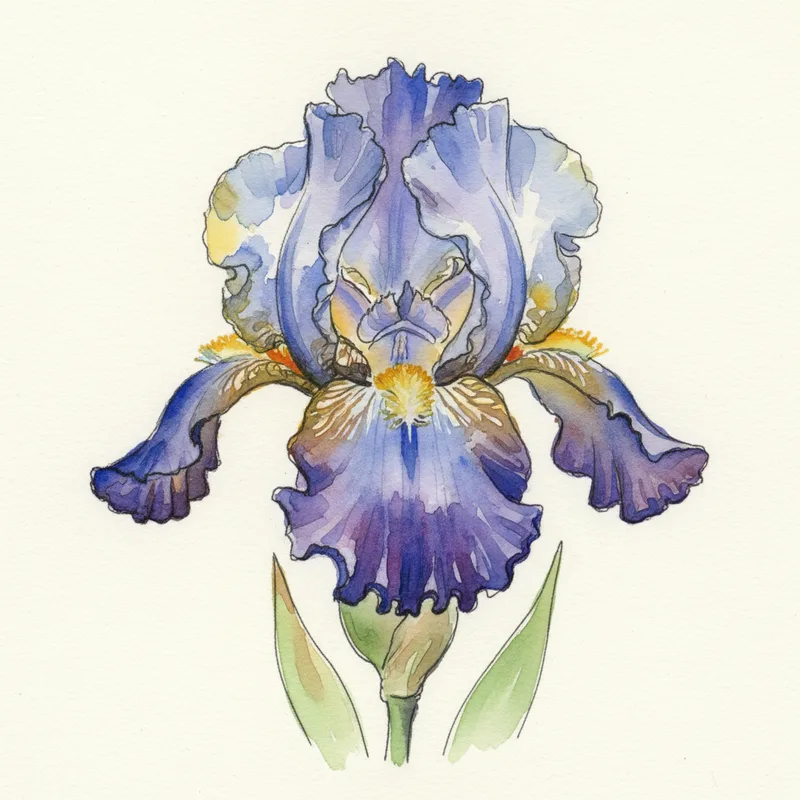
Elegant sword-leaved perennials with intricate, ruffled blooms.
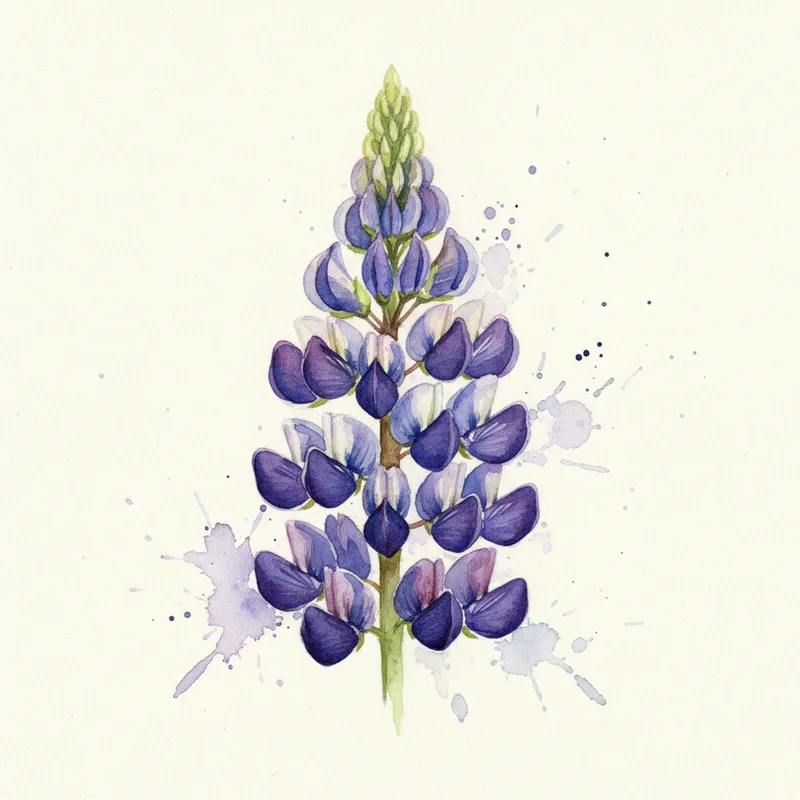
Dramatic spikes in every color. Short-lived but self-seeds generously.
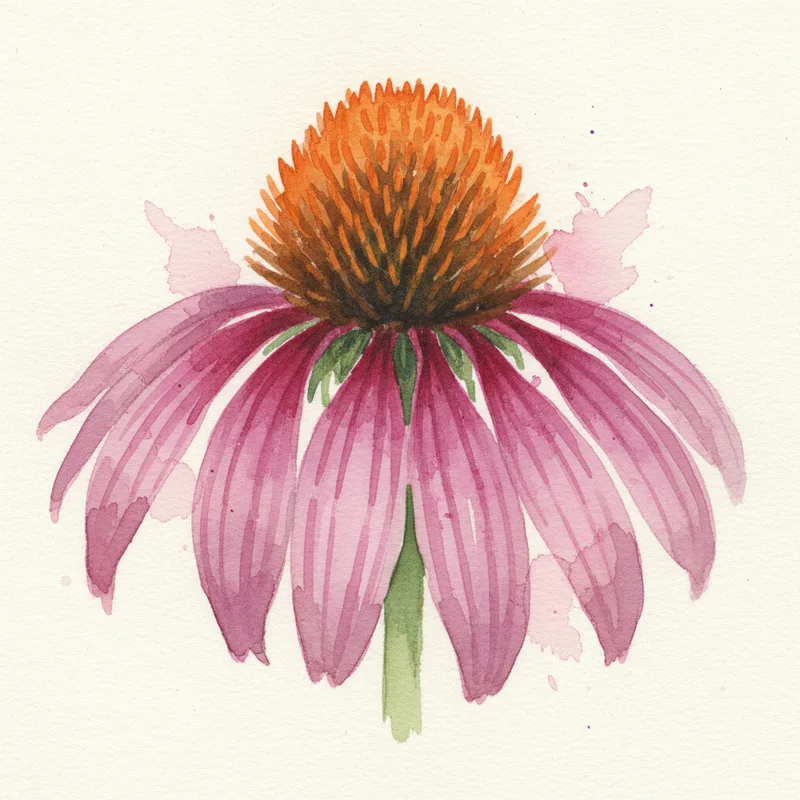
The gold standard coneflower. Flat, non-drooping petals around a bold copper cone. Perennial Plant of the Year.
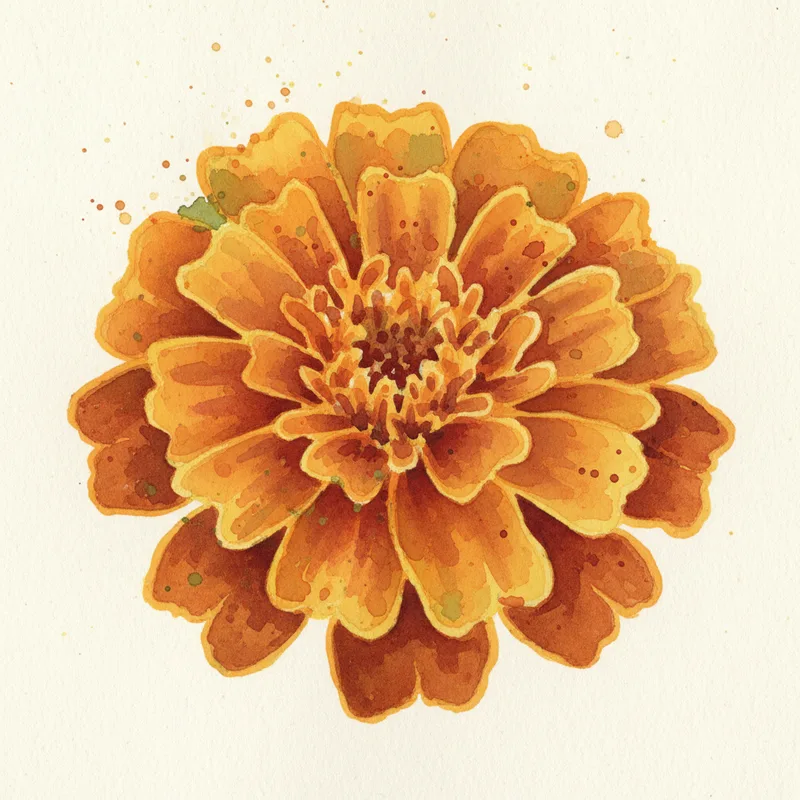
Bulletproof color all season long. The workhorse of warm-toned borders.
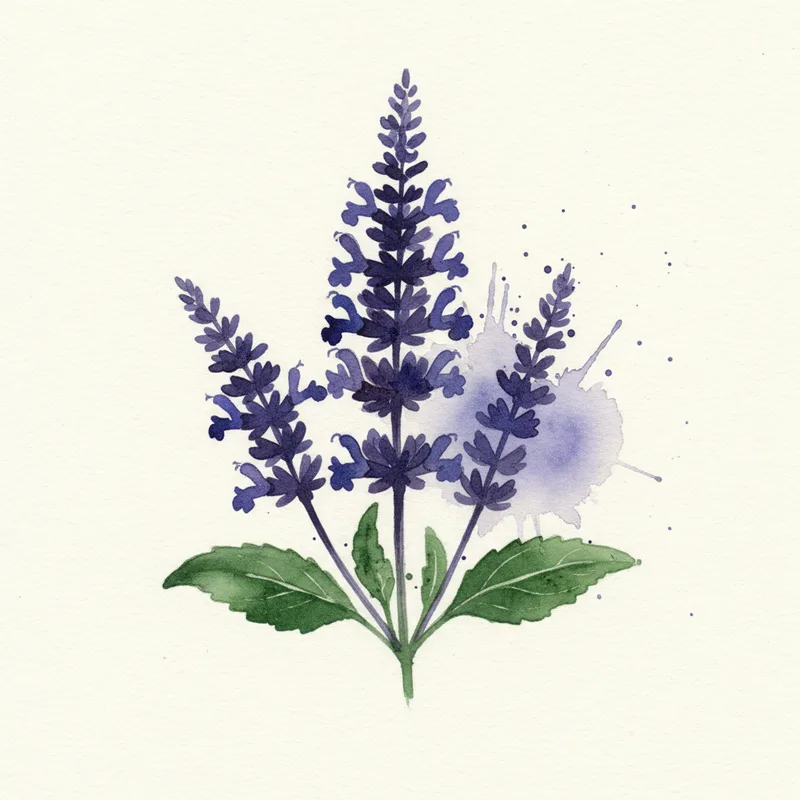
Perennial Plant of the Year. Dense indigo-violet spikes that rebloom if deadheaded.
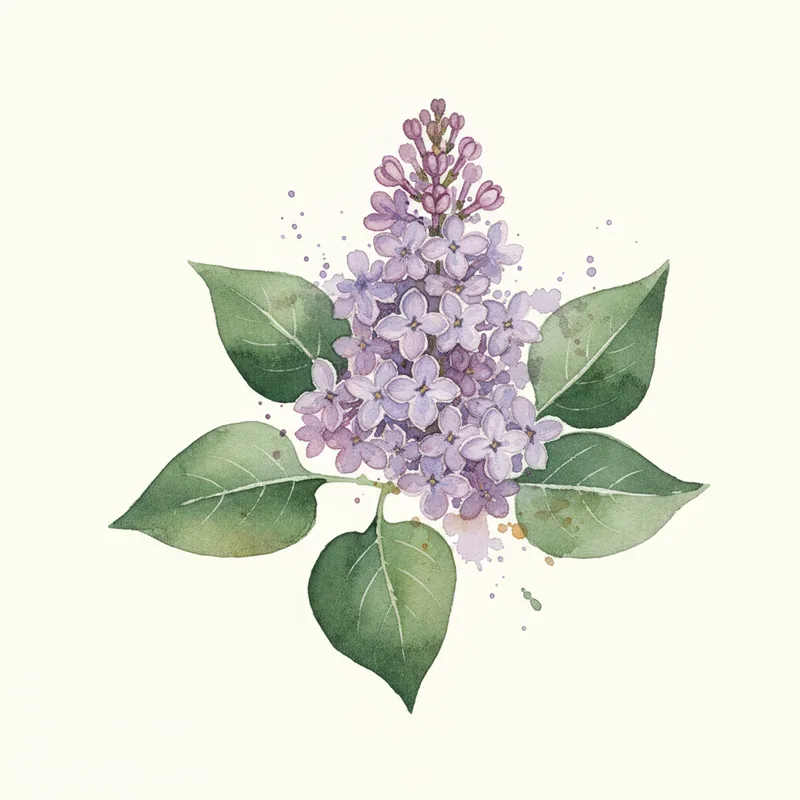
Compact lilac with pale lavender blooms and outstanding fragrance. Burgundy fall foliage as a bonus.
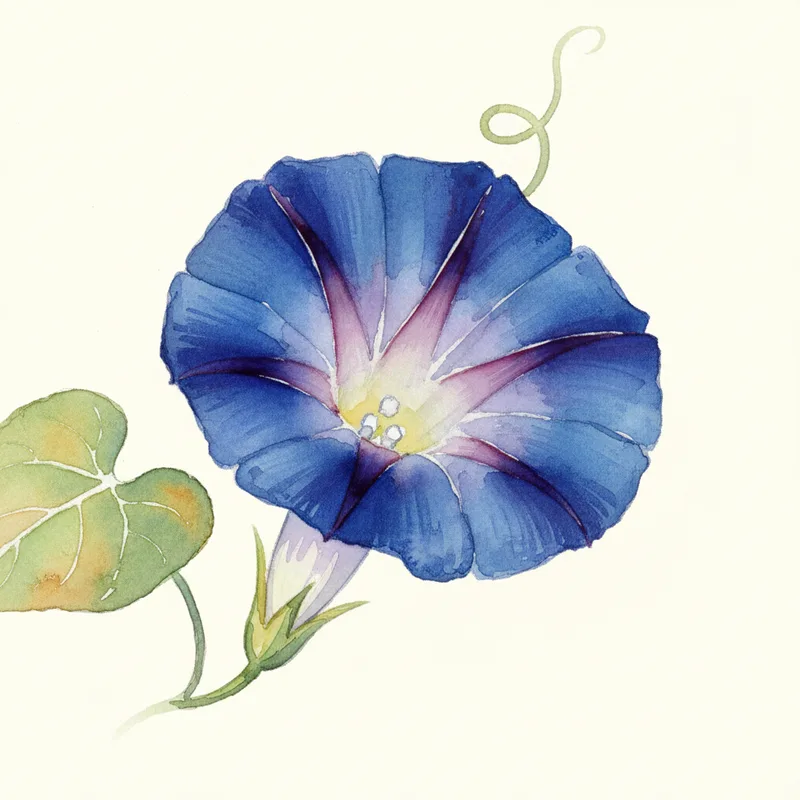
Fast-climbing vine with trumpets that open fresh every morning.
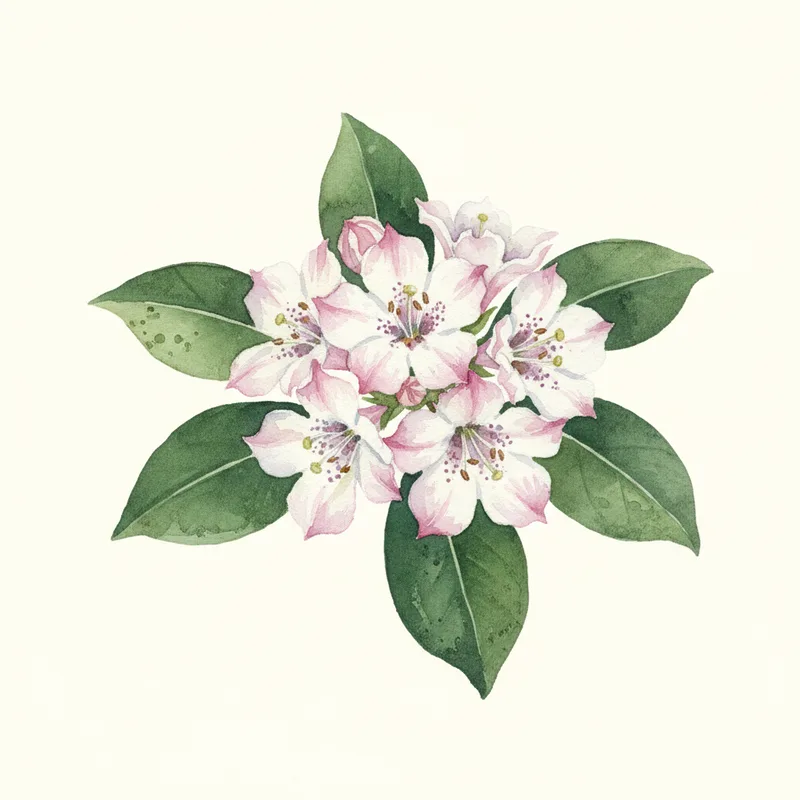
Exquisite geometric buds open to cupped flowers. A native evergreen gem.
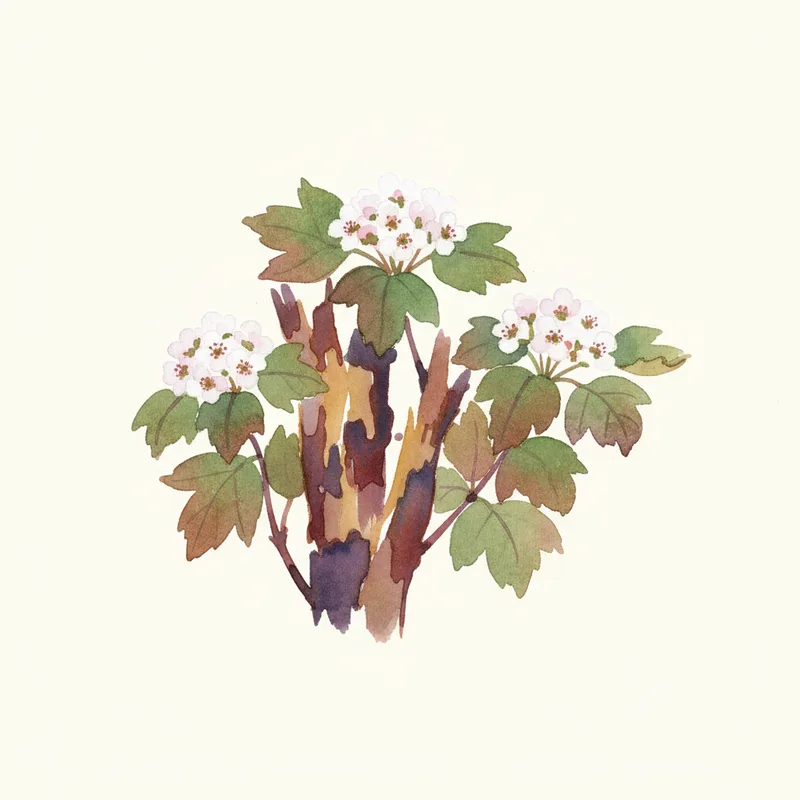
Peeling bark, burgundy foliage, and white puffs. A native multitasker.
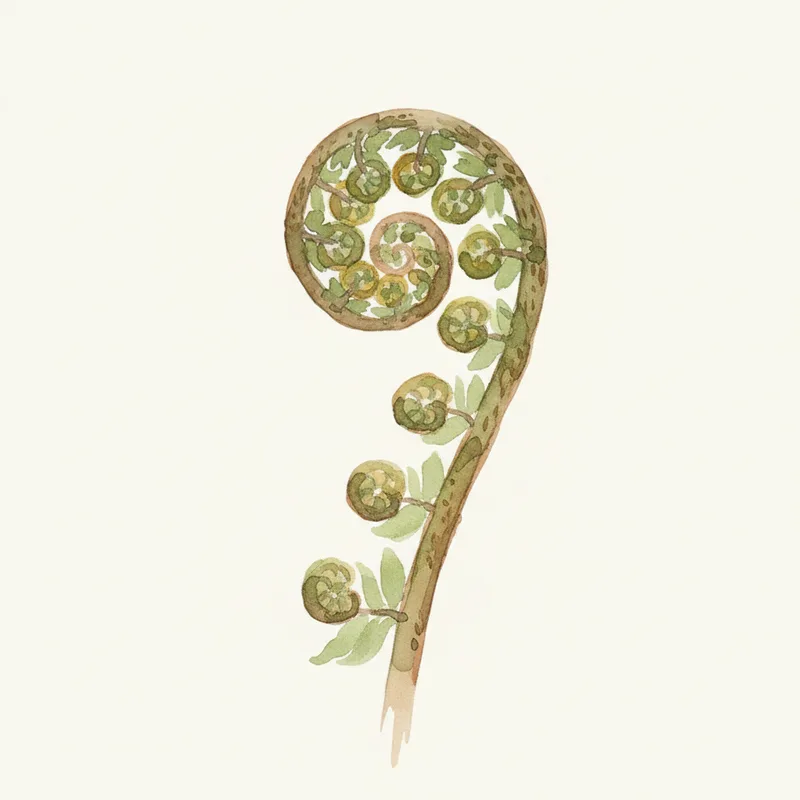
Tall vase-shaped fronds that unfurl from fiddleheads in spring. Spreads to form dramatic colonies.
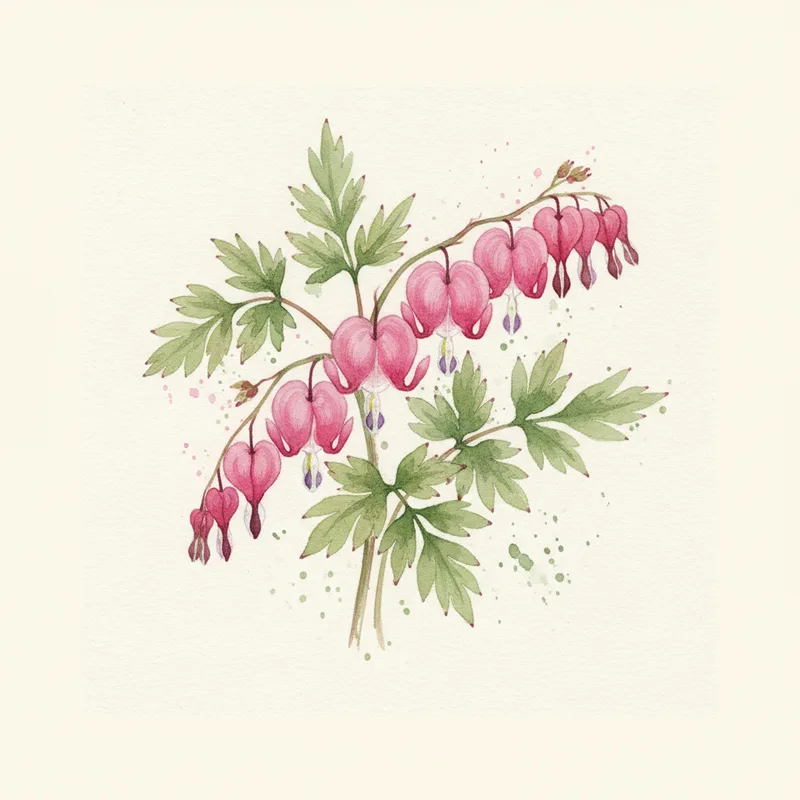
Western native that blooms much longer than its eastern cousin. Ferny foliage all season.
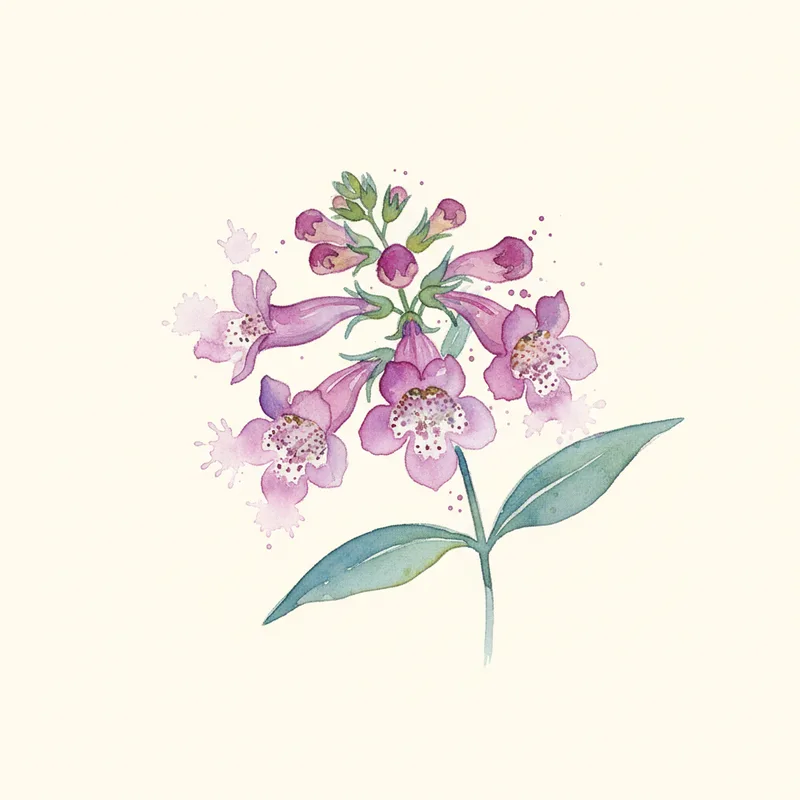
Tubular flowers on upright stems. Native hummingbird magnet for dry gardens.
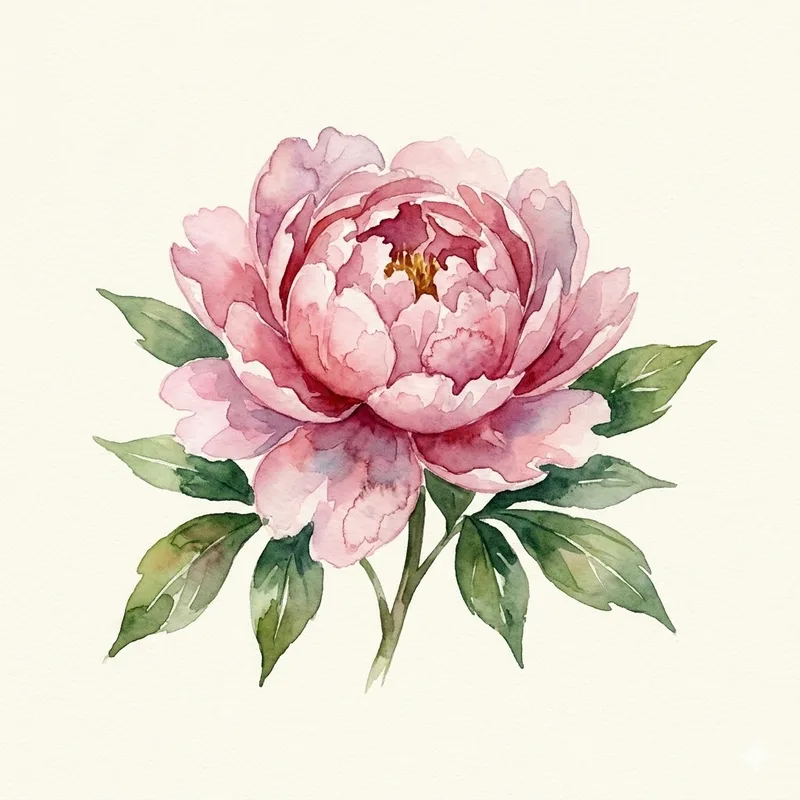
Lush, ruffled blooms with intoxicating fragrance. Lives for decades.
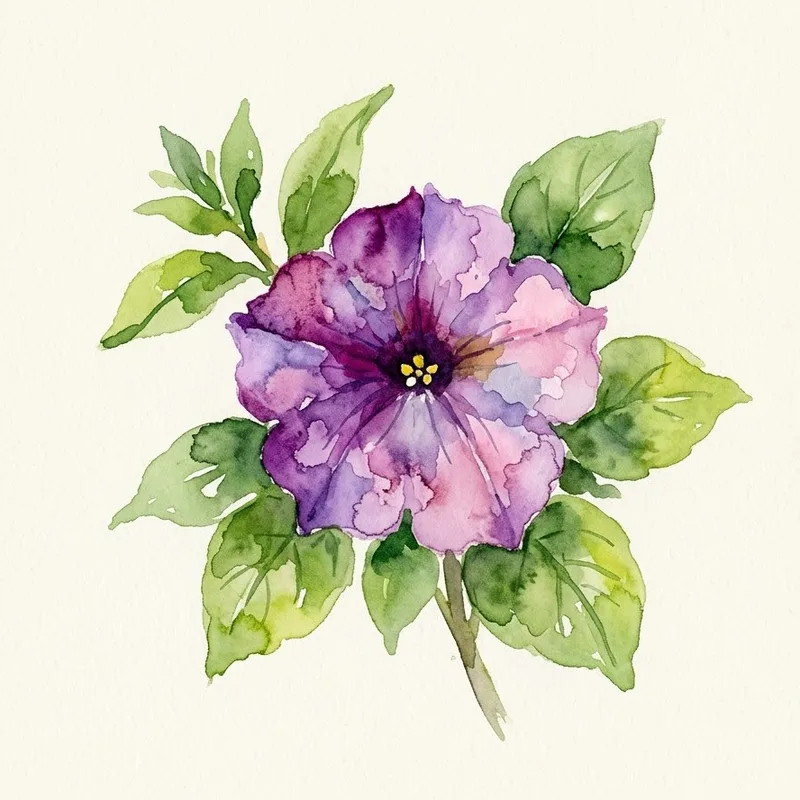
Cascading color for containers and beds. Blooms nonstop until frost.
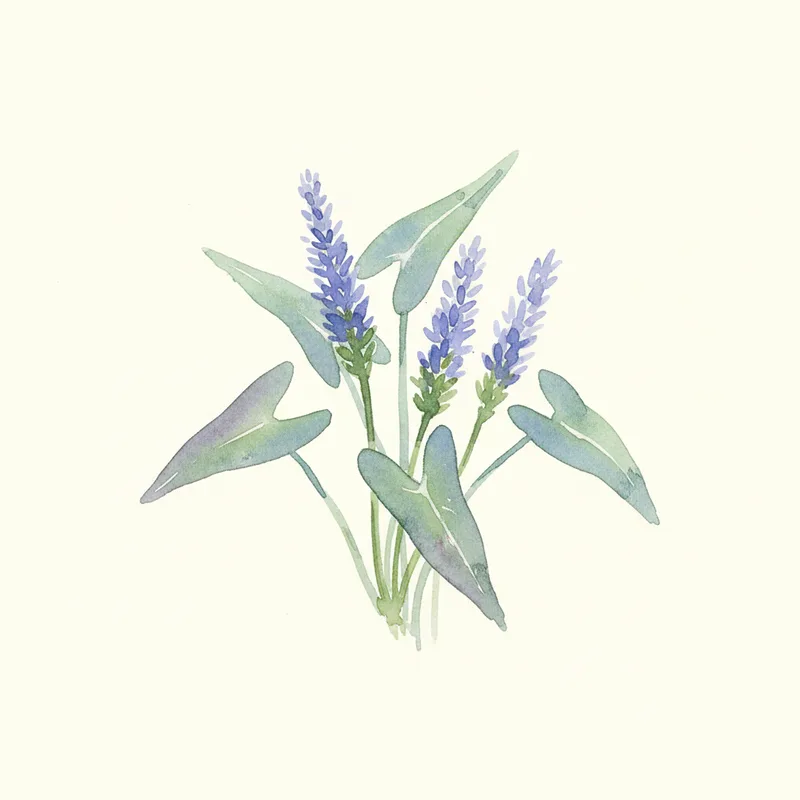
Spikes of violet-blue flowers above glossy arrow-shaped leaves. Native pond and stream bank staple.
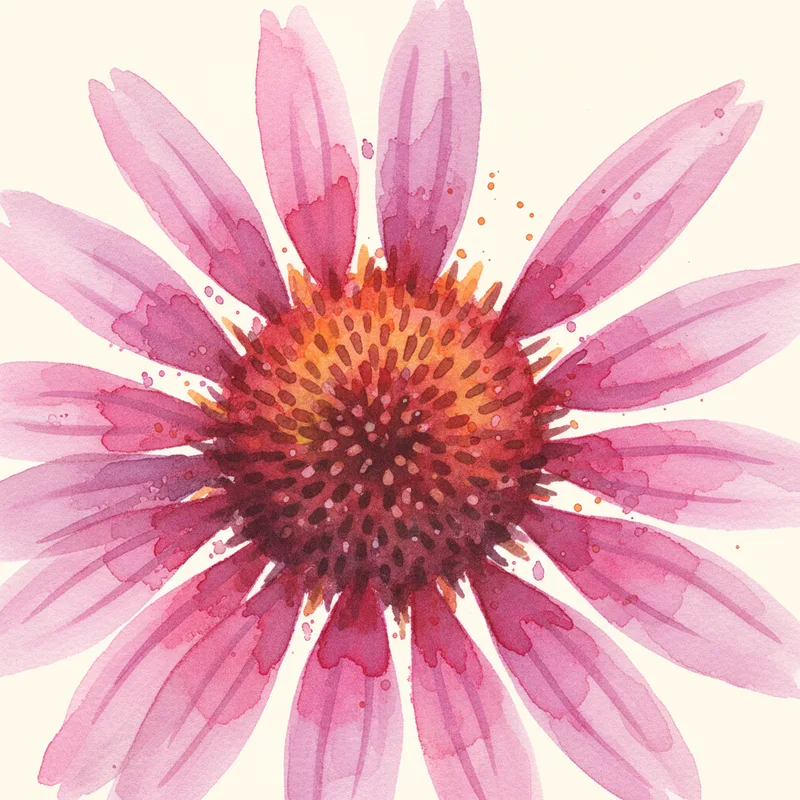
Compact, heavily branched, and smothered in deep rose-purple blooms. Reblooms without deadheading.
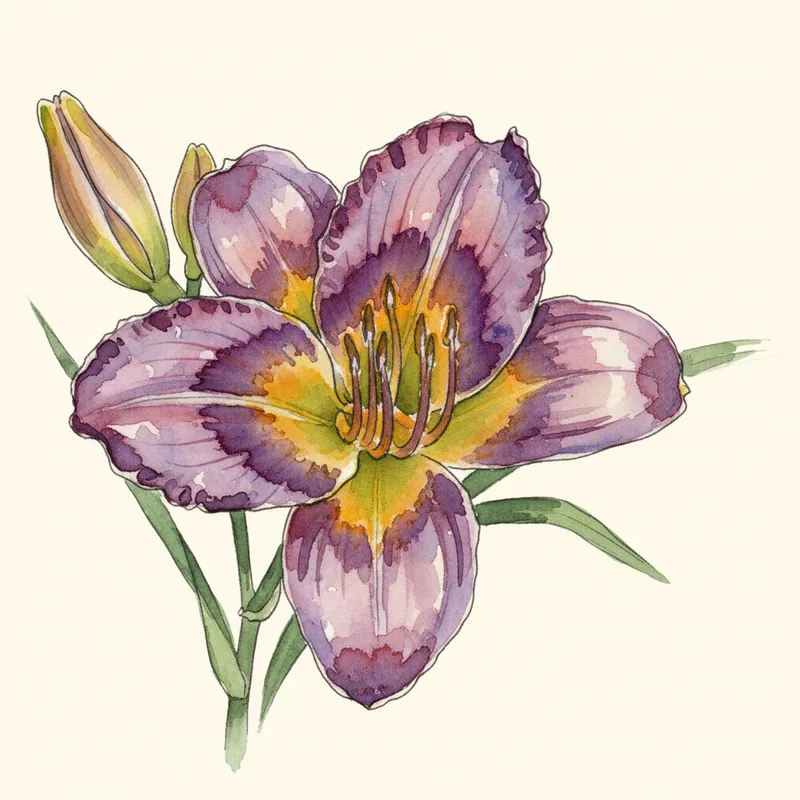
Deep purple-red blooms on a compact Stella-sized plant. Brings rich color to the front of the border.
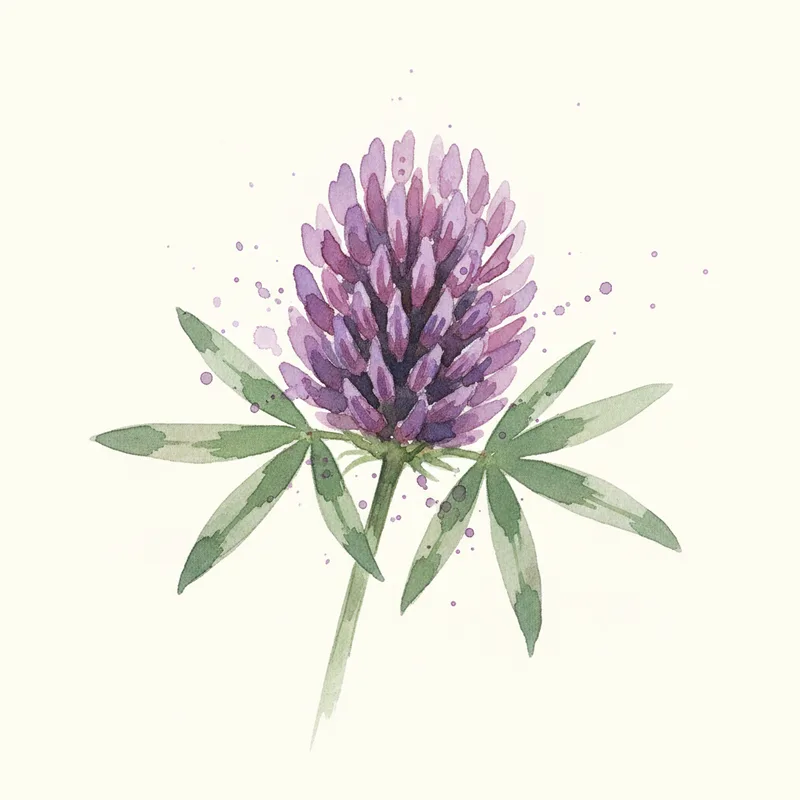
Brushy purple flower spikes rise over fine foliage and feed prairie pollinators.
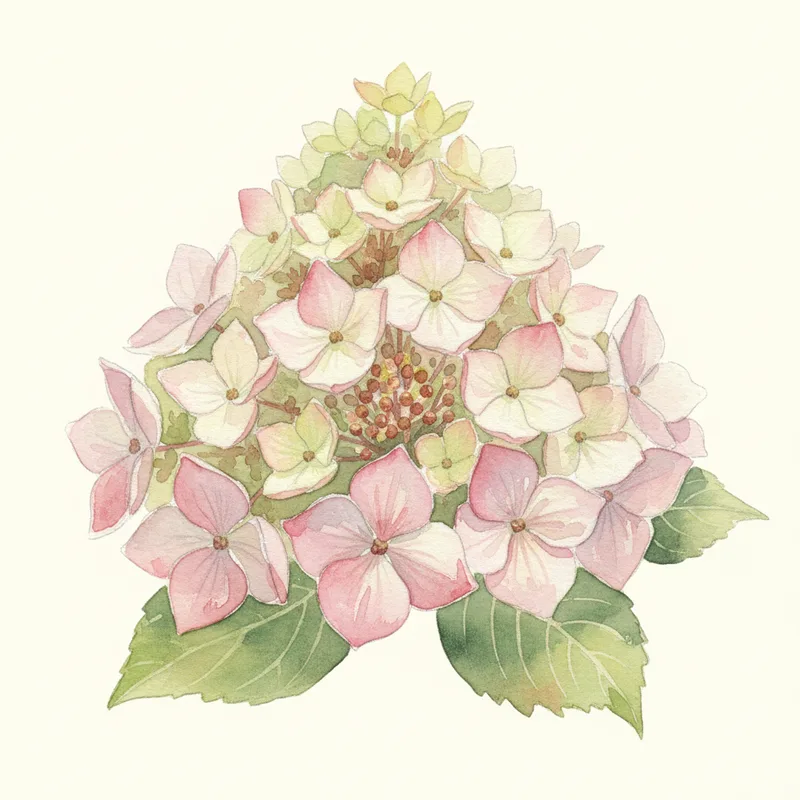
Blooms a full month before other paniculatas. White cones age to deep rosy pink by fall.
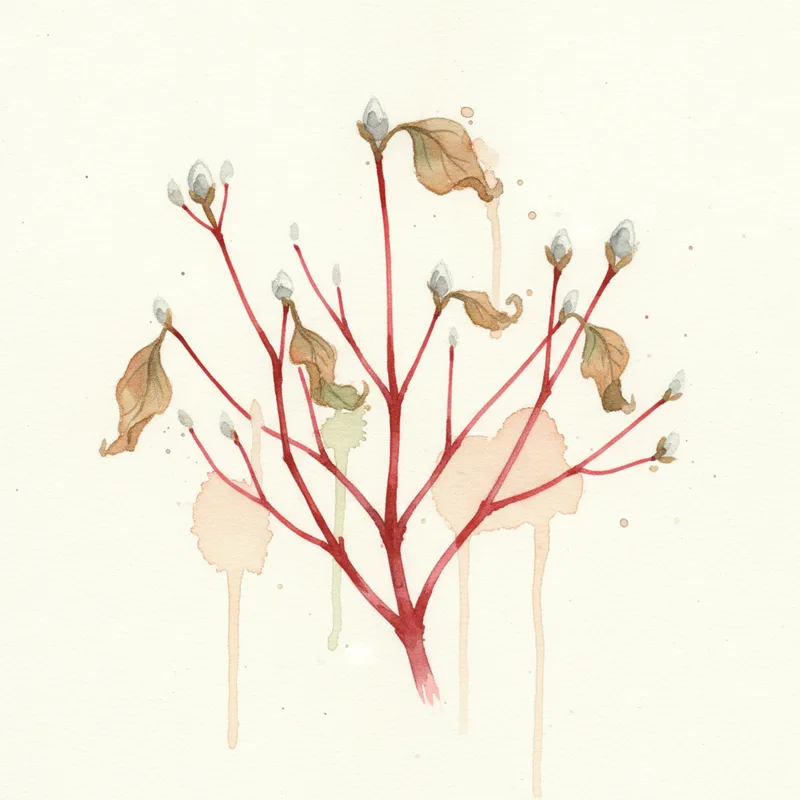
Flat clusters of white flowers and berries give way to vivid red stems that shine in winter.
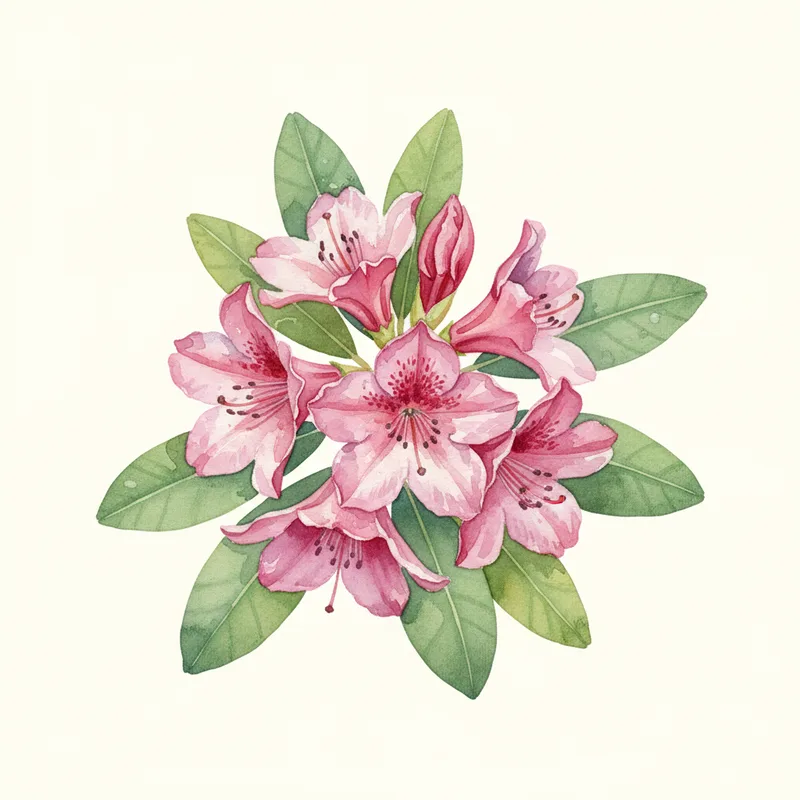
Big, bold trusses of bloom over glossy evergreen foliage.
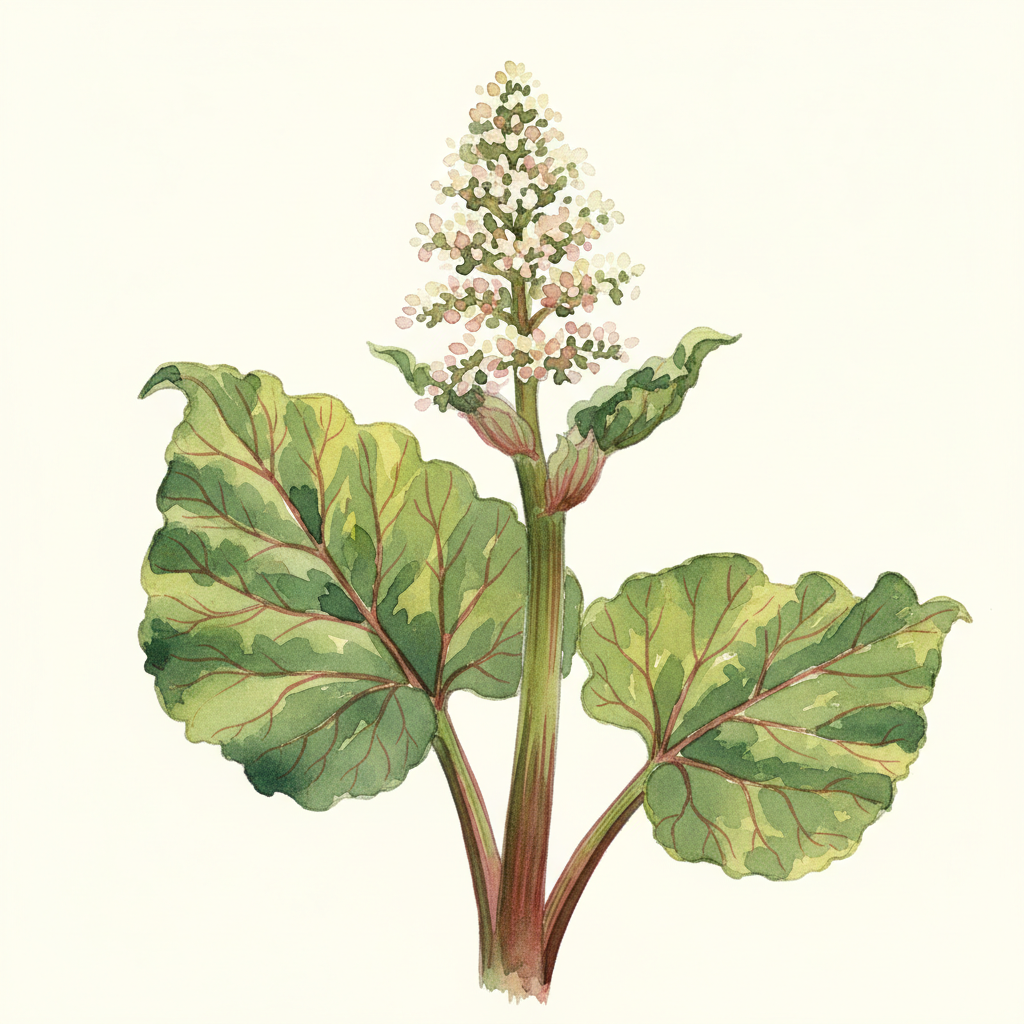
Huge leaves and thick red stalks give a lush look while supplying tart harvests.
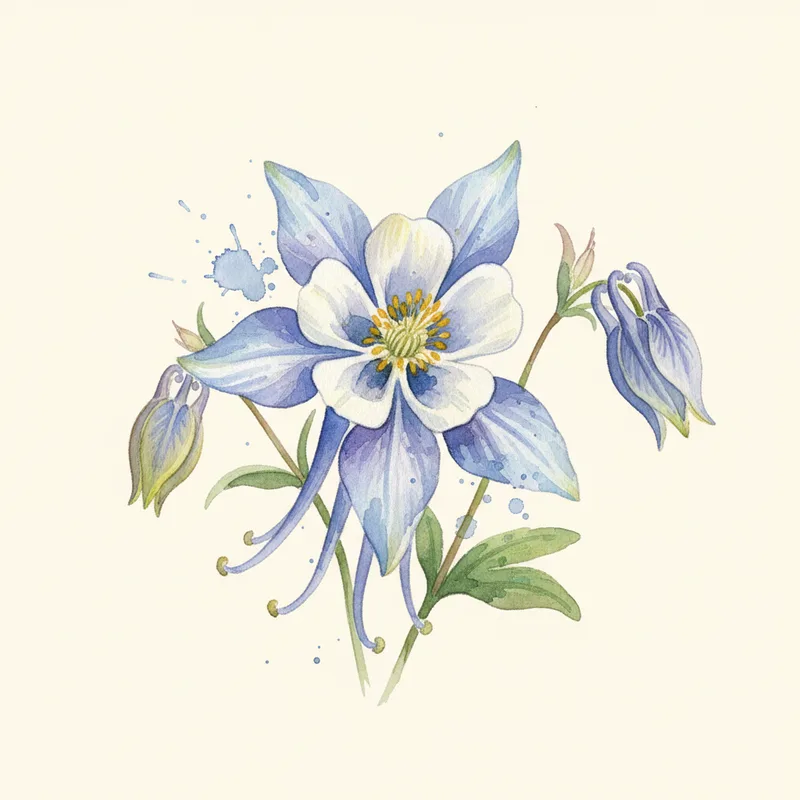
Large blue-and-white spurred flowers bloom in late spring above lacy foliage.
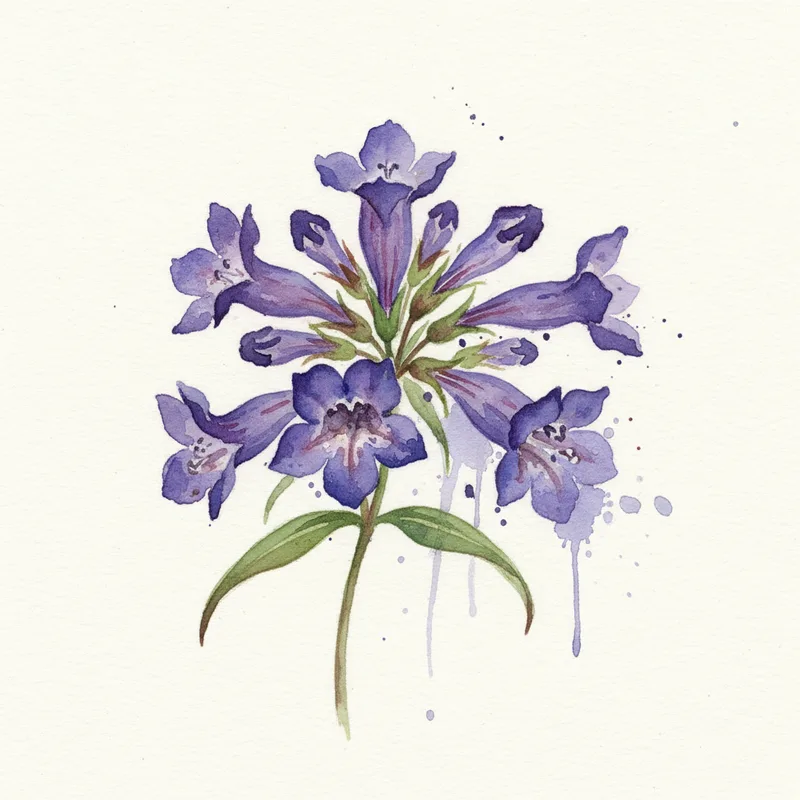
Spikes of deep blue tubular flowers rise above glossy evergreen foliage in early summer.
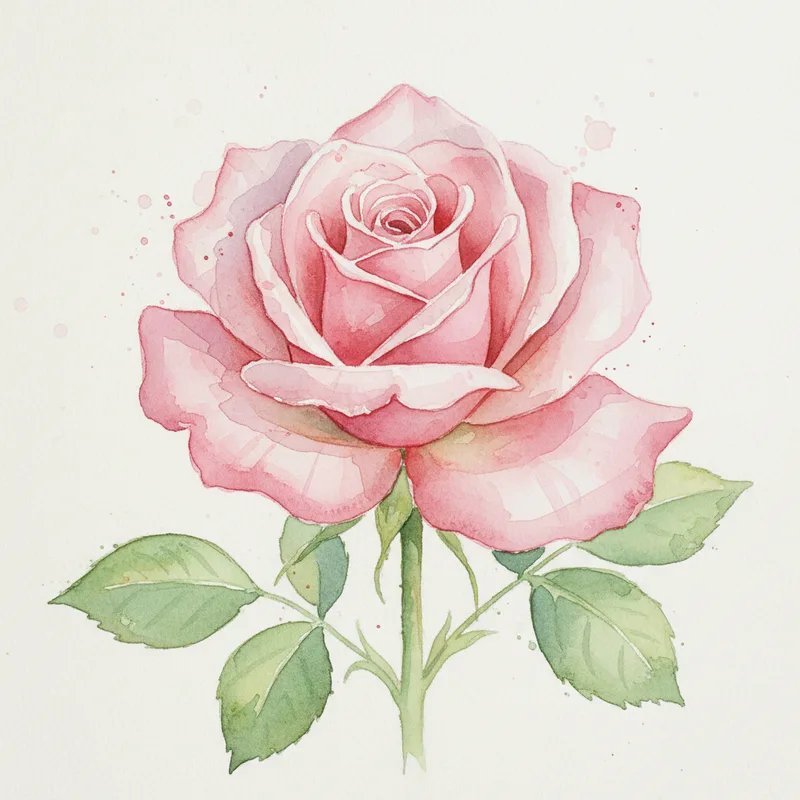
The queen of the garden. Modern varieties are surprisingly low-maintenance.
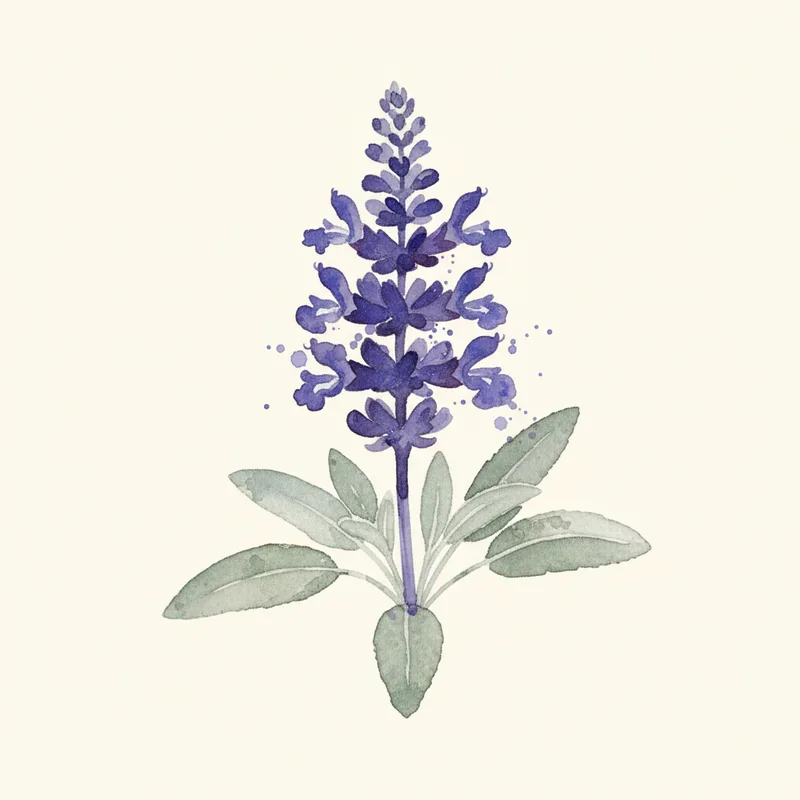
Vertical flower spikes that hummingbirds and bees cannot resist.
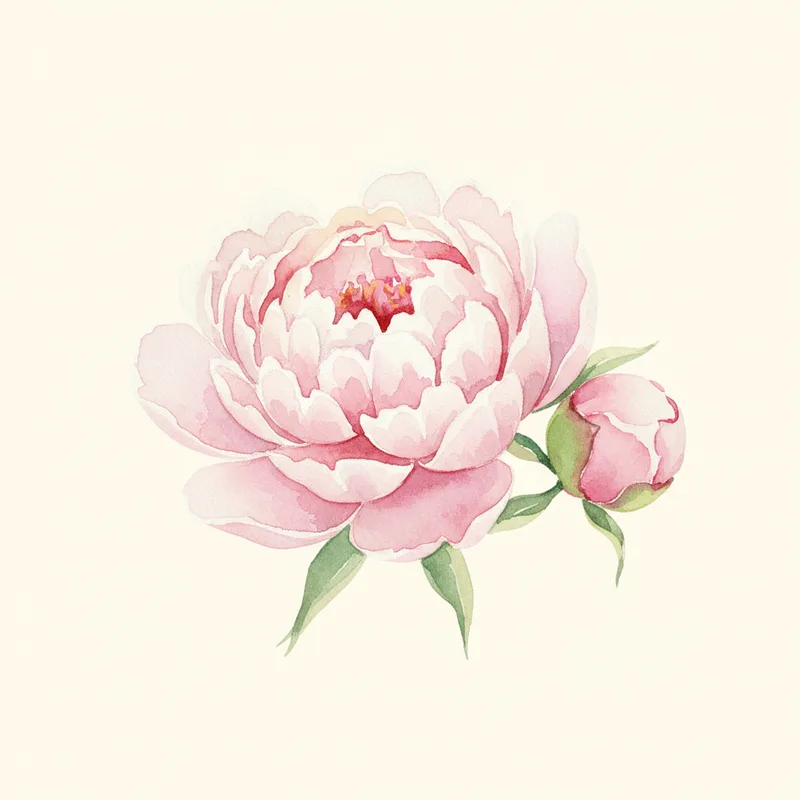
Fully double, apple-blossom pink blooms so heavy they nod on their stems. The most planted peony in history.
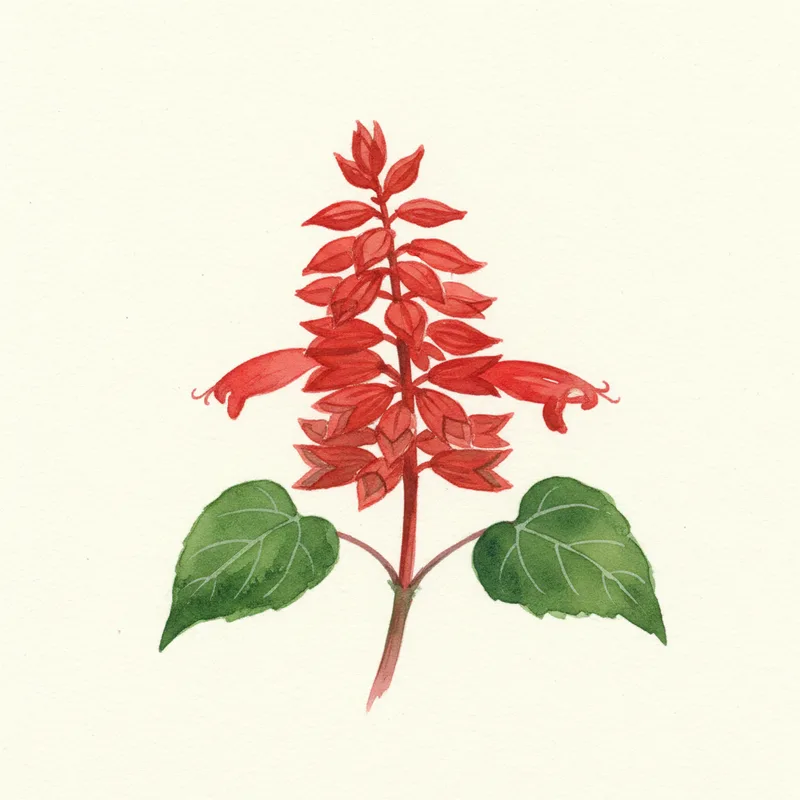
Electric red spikes that hummingbirds zero in on. Common bedding plant that earns its spot every year.
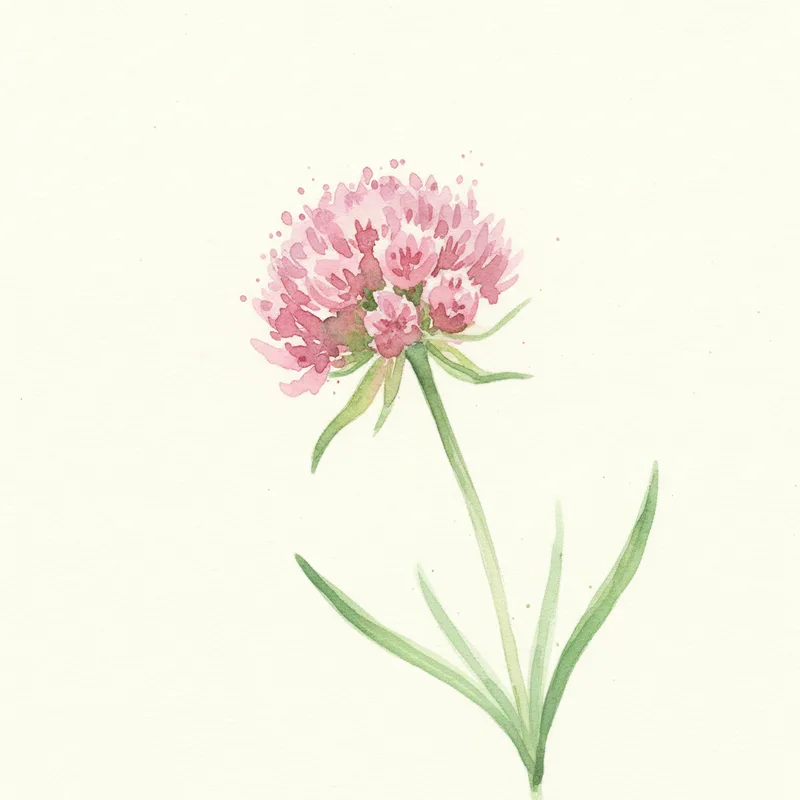
Grassy tufts topped with round pink pom-poms. Loves lean soil and coastal conditions.
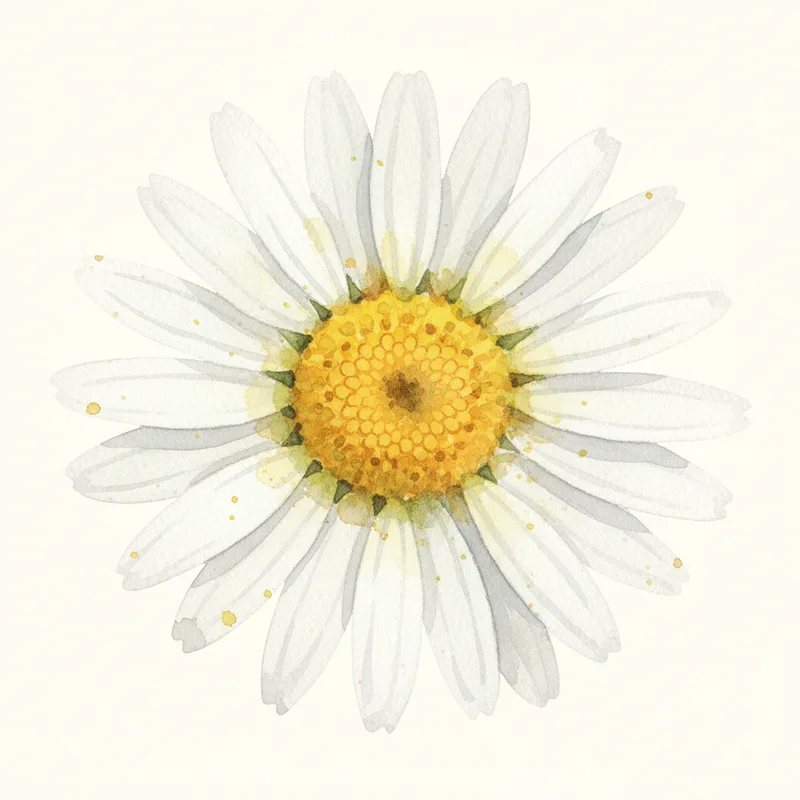
Classic white-and-gold daisies that look fresh from a meadow painting.
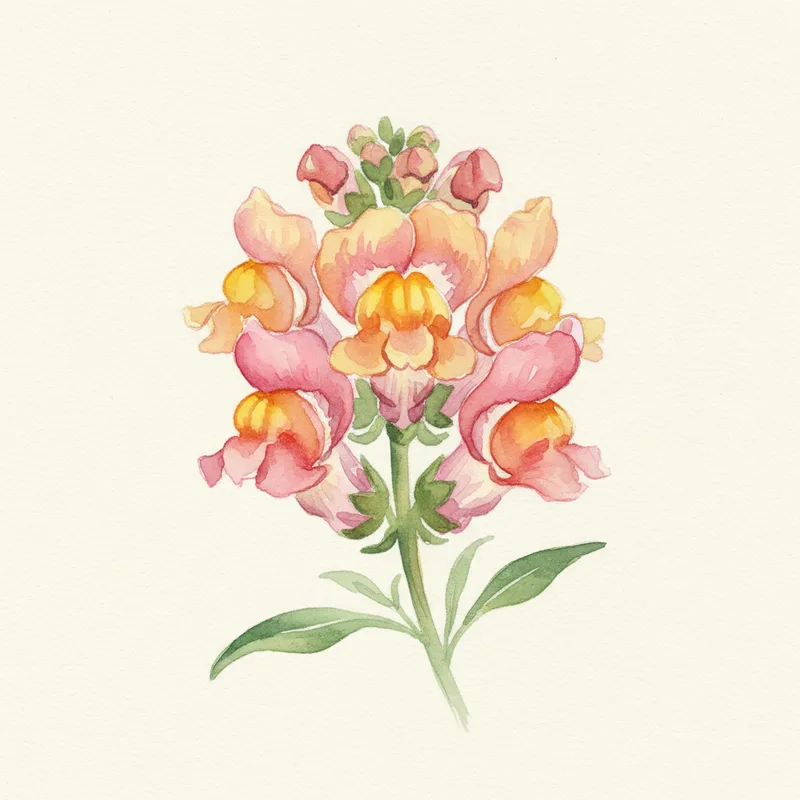
Vertical flower spikes with squeeze-open blooms. Kids love them.
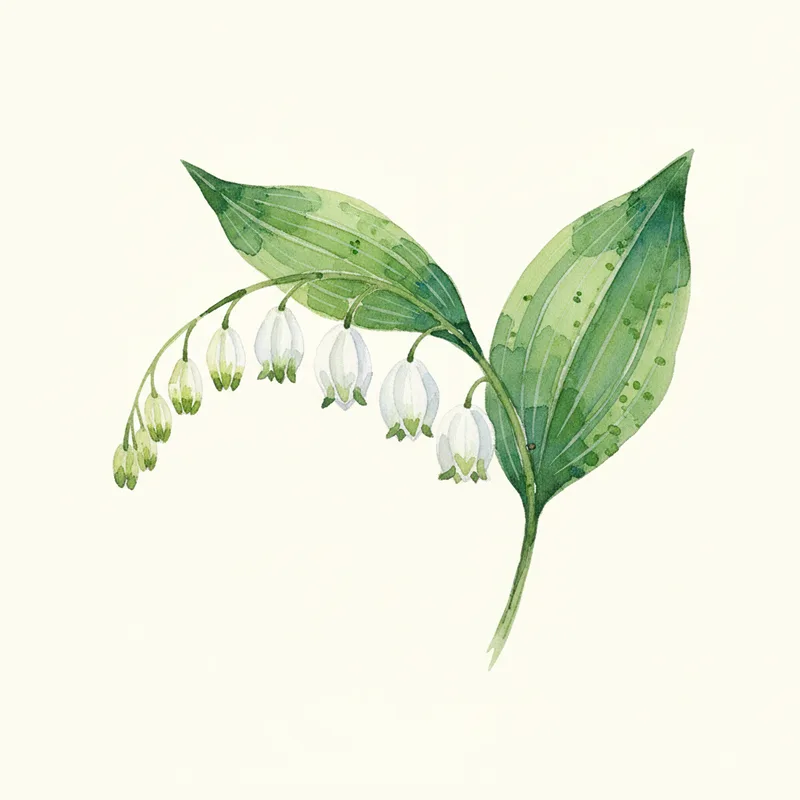
Arching stems hung with dangling white bells. Pairs of leaves create graceful, layered architecture.
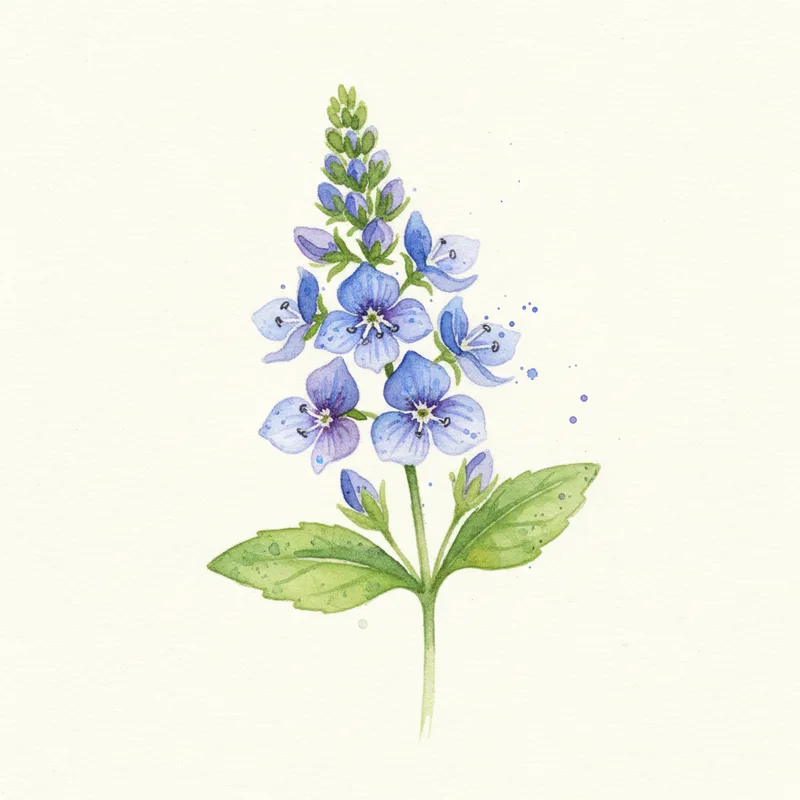
Tidy spikes of blue that add vertical punch to the front of the border.
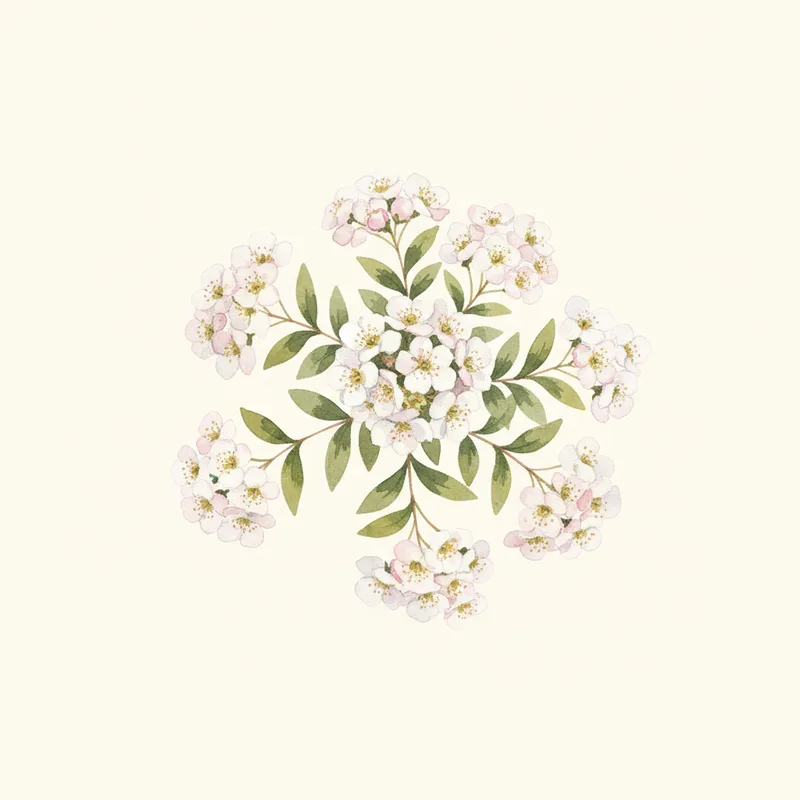
Flat-topped flower clusters on tidy mounds. The easiest flowering shrub.
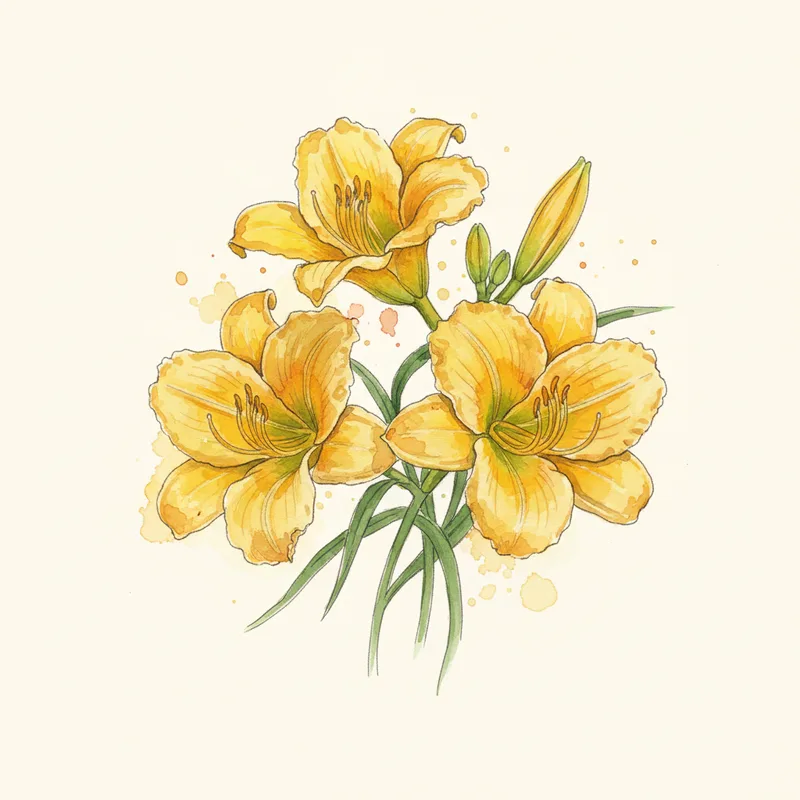
The most planted perennial in America. Compact, reblooming, and basically indestructible.
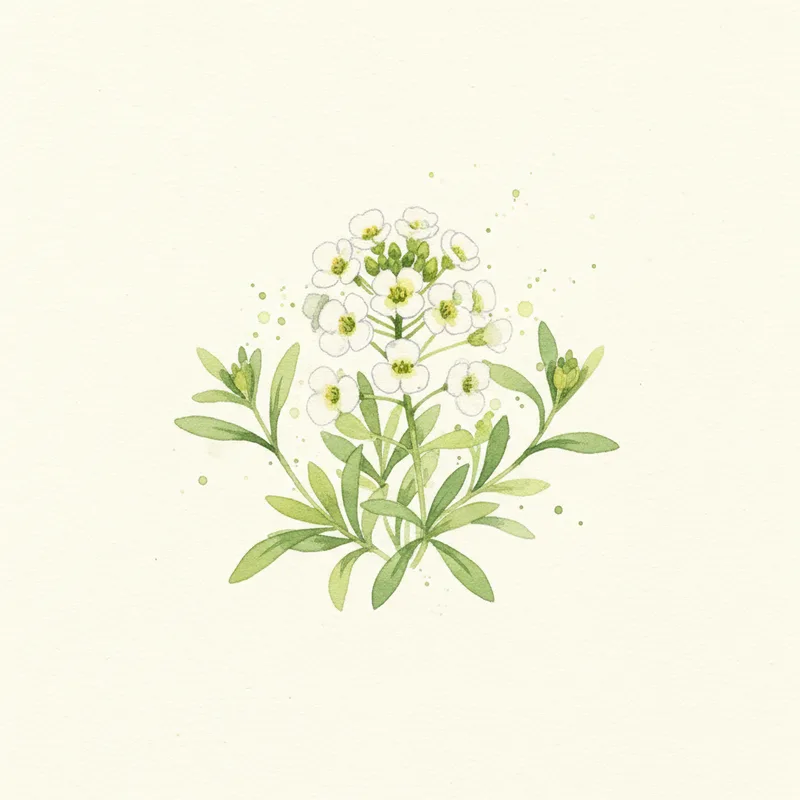
Honey-scented carpet of tiny flowers. The best living edging plant.
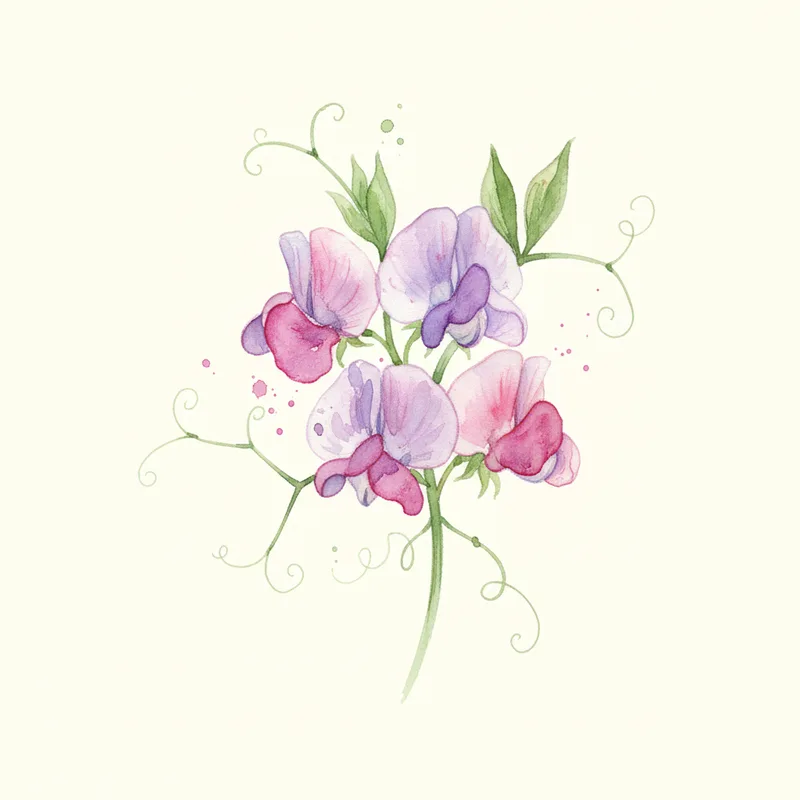
Ruffled, intensely fragrant climbing flowers in every pastel shade. Cool-season annual that hates heat.
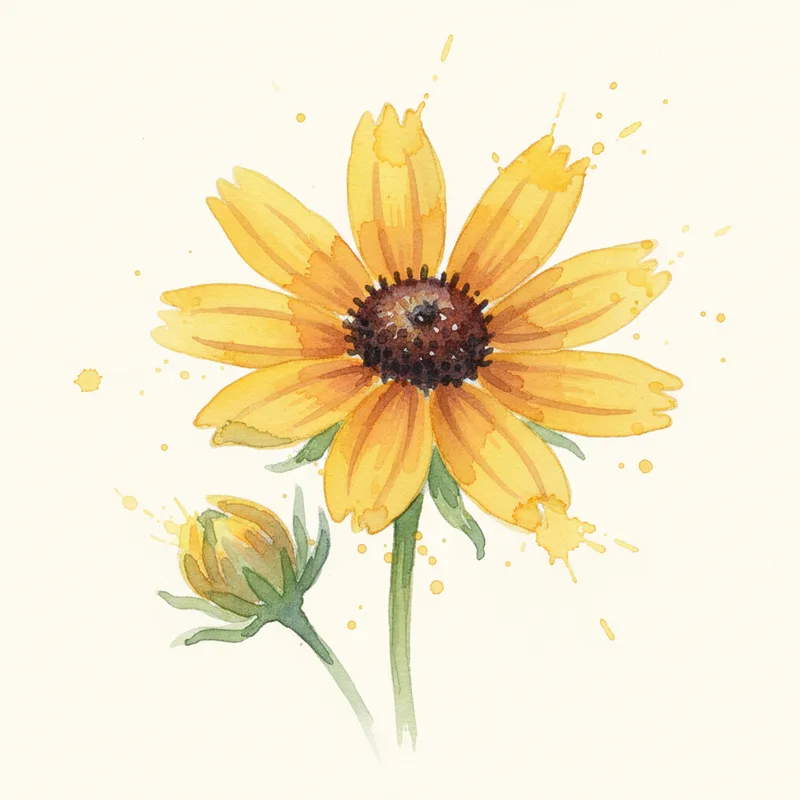
Cheerful native daisy that blooms for months with almost no care.
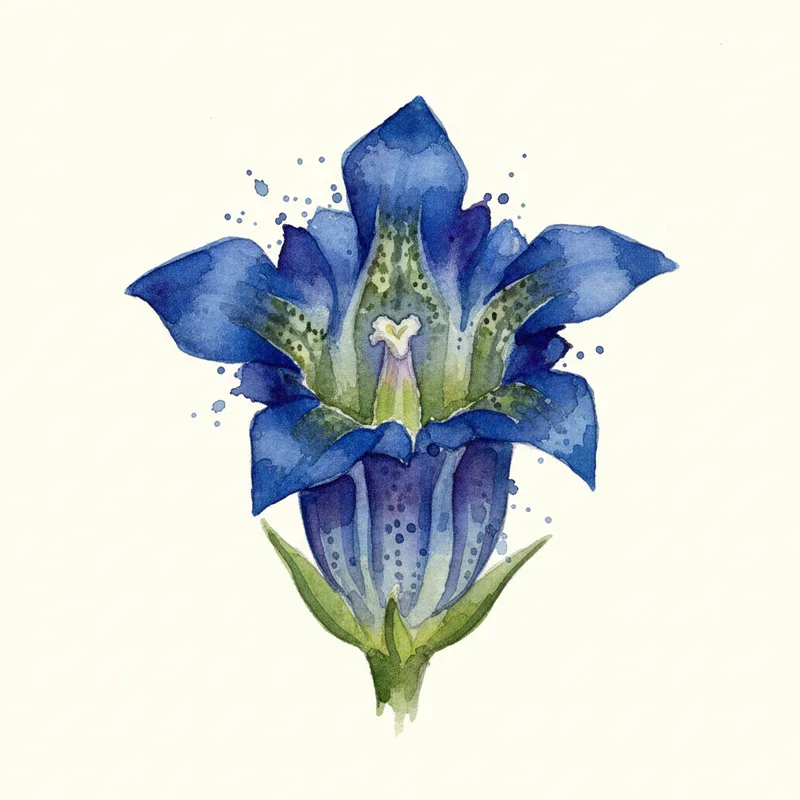
Intense, almost electric blue trumpet flowers on a low mat. The holy grail of alpine gardeners.
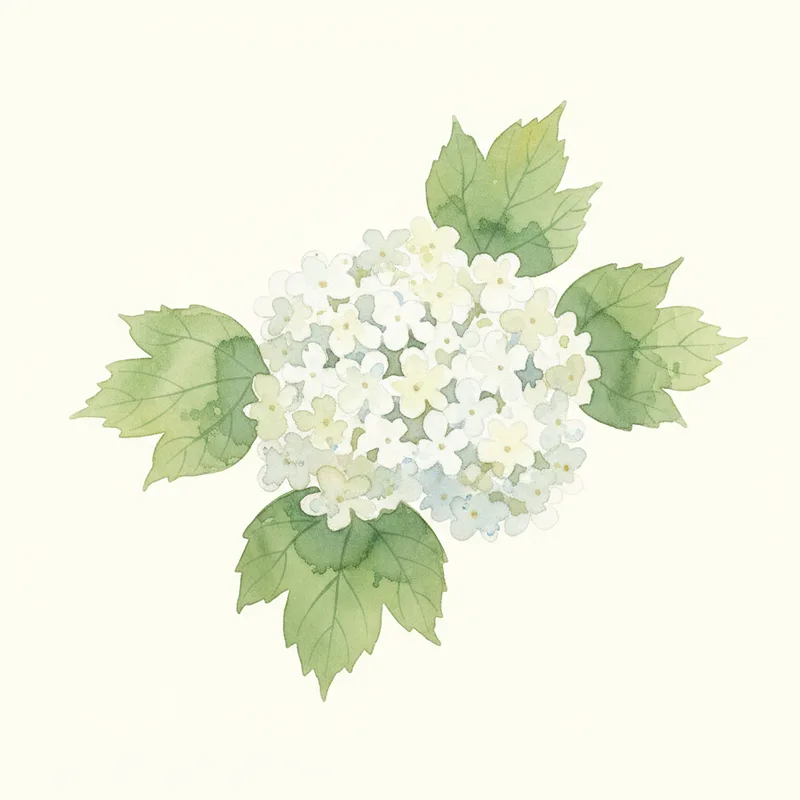
Fragrant snowball clusters in spring, then berries for birds in fall.
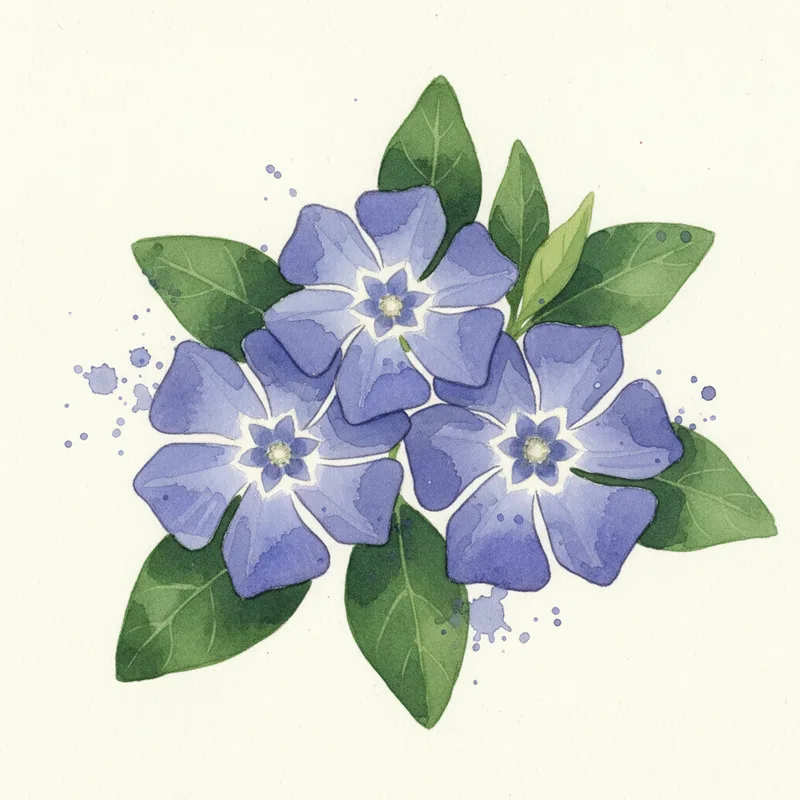
Evergreen mat with periwinkle-blue flowers. Tough shade ground cover.
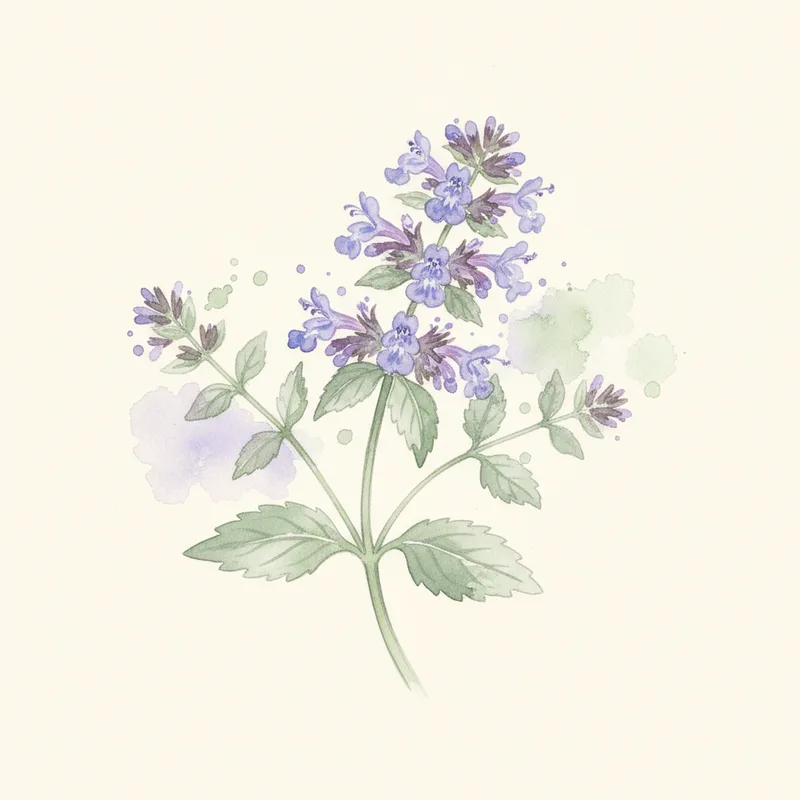
Perennial Plant of the Year. Billowy lavender-blue spikes that rebloom hard after a shear.
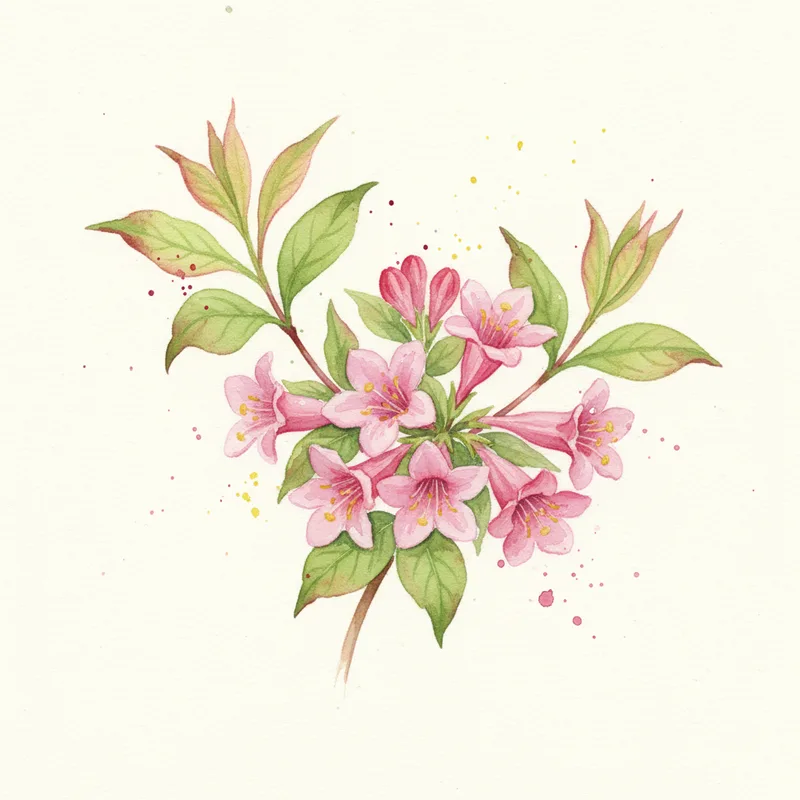
Tubular blooms smother arching branches in late spring. Hummingbird haven.
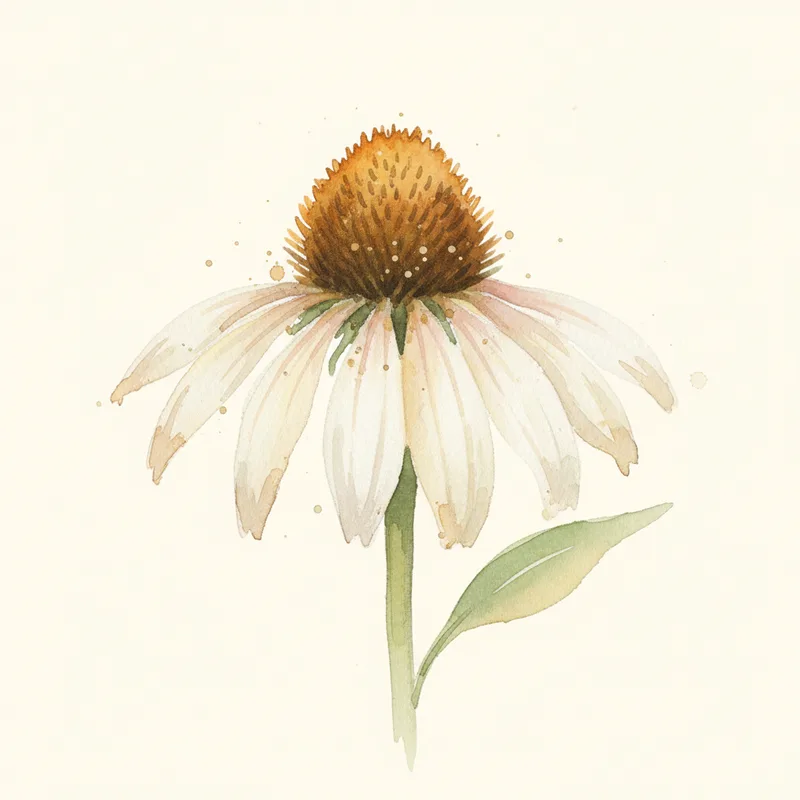
Pure white drooping petals around a bronze-orange cone. Elegant and underused.
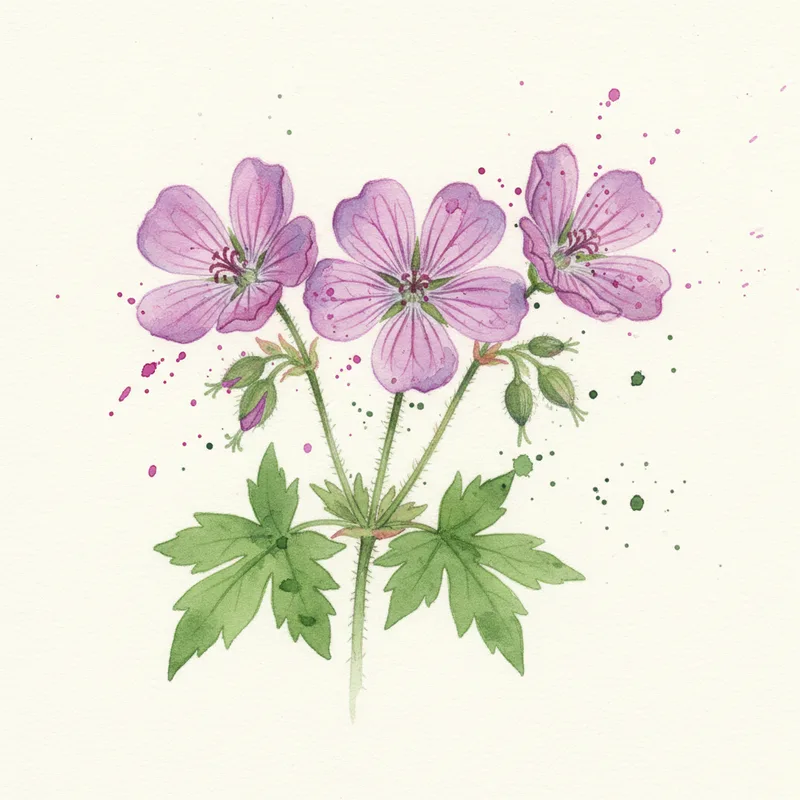
Soft pink blooms over deeply-cut foliage. A woodland edge staple.
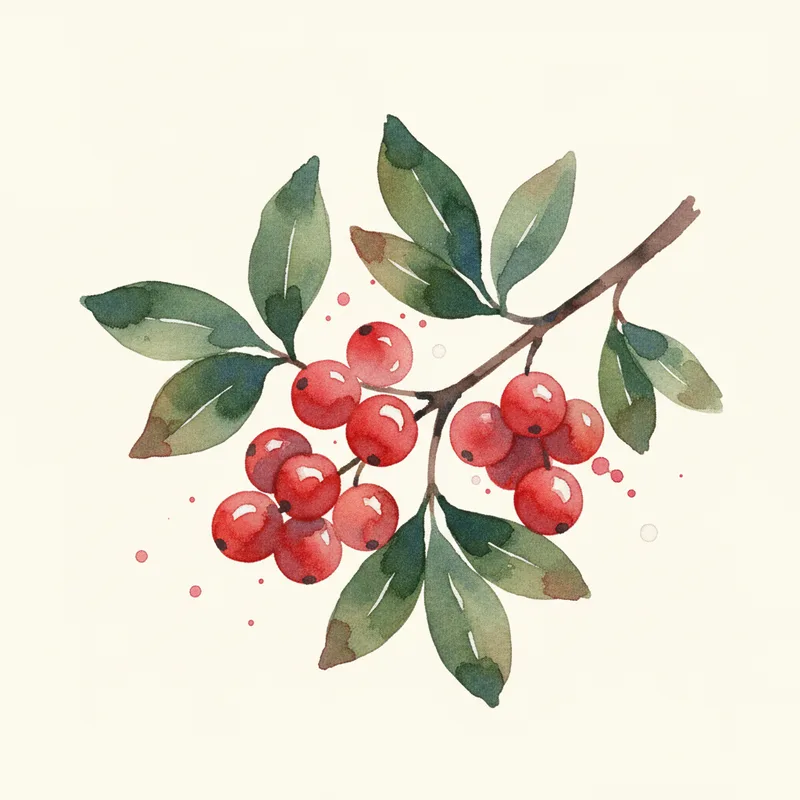
Inconspicuous blooms, but covered in brilliant red berries all winter long.
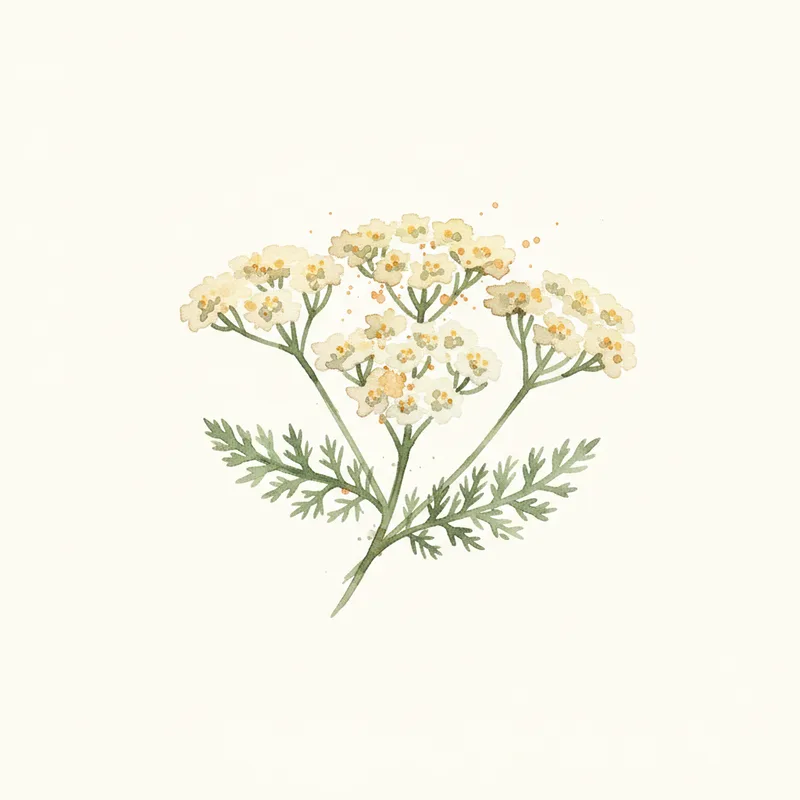
Flat-topped clusters on ferny foliage. Thrives on neglect in poor soil.
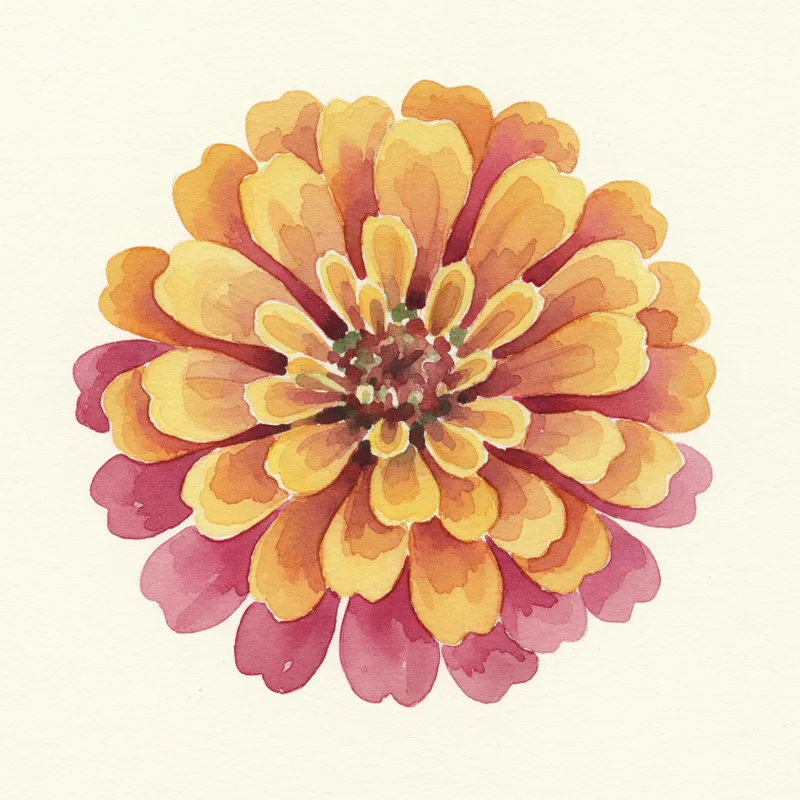
Easy-grow annual with electric colors. Cut-and-come-again champion.
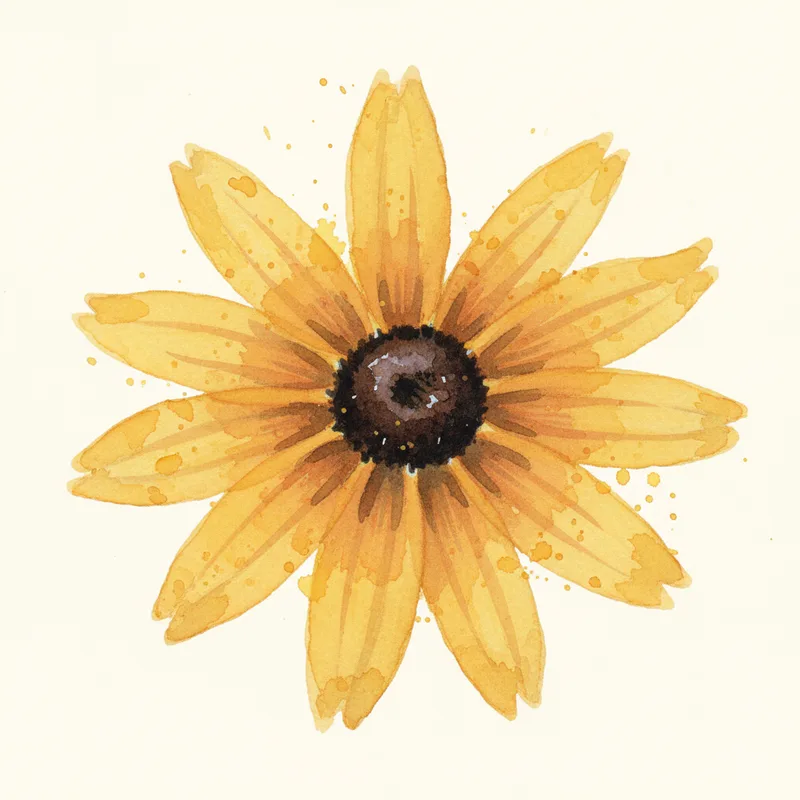
Narrow, fuzzy foliage resists the leaf spot that plagues Goldsturm. A worthy upgrade.
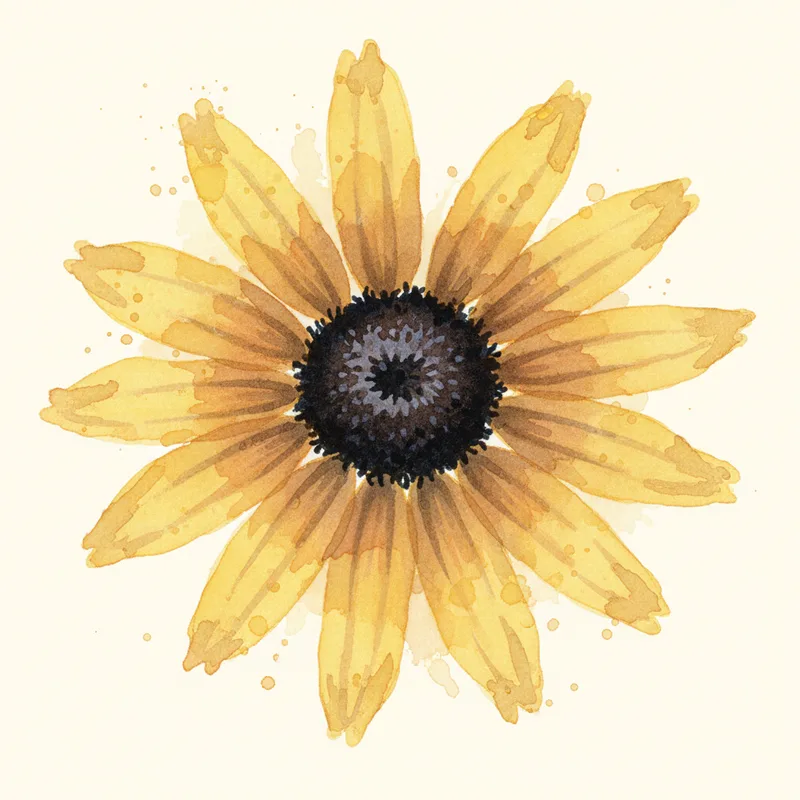
Golden prairie workhorse that lights up late summer meadows.
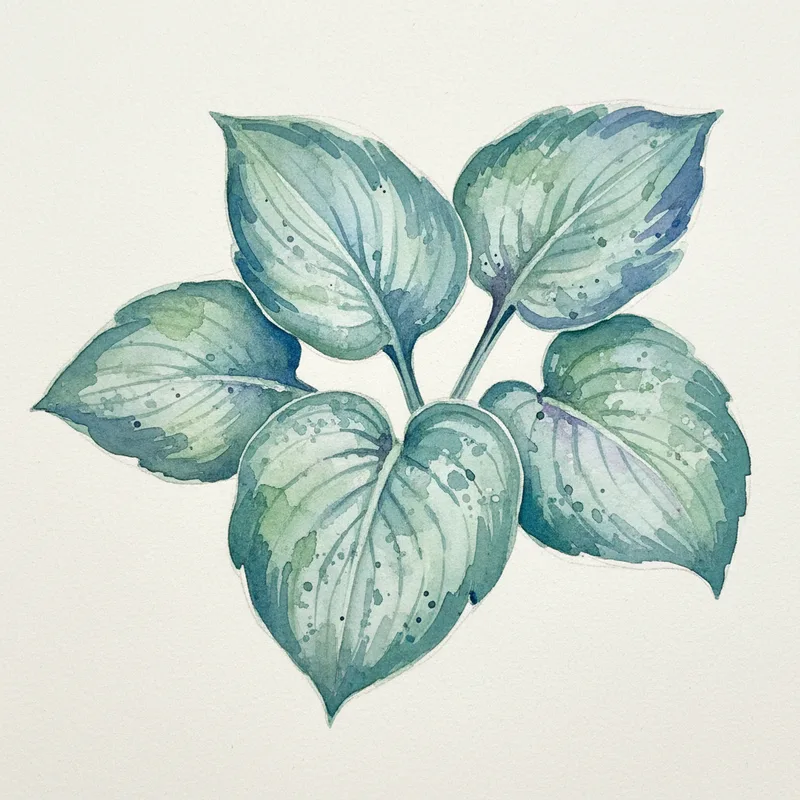
Massive blue-gray leaves up to 18 inches long. One of the largest and most slug-resistant hostas.
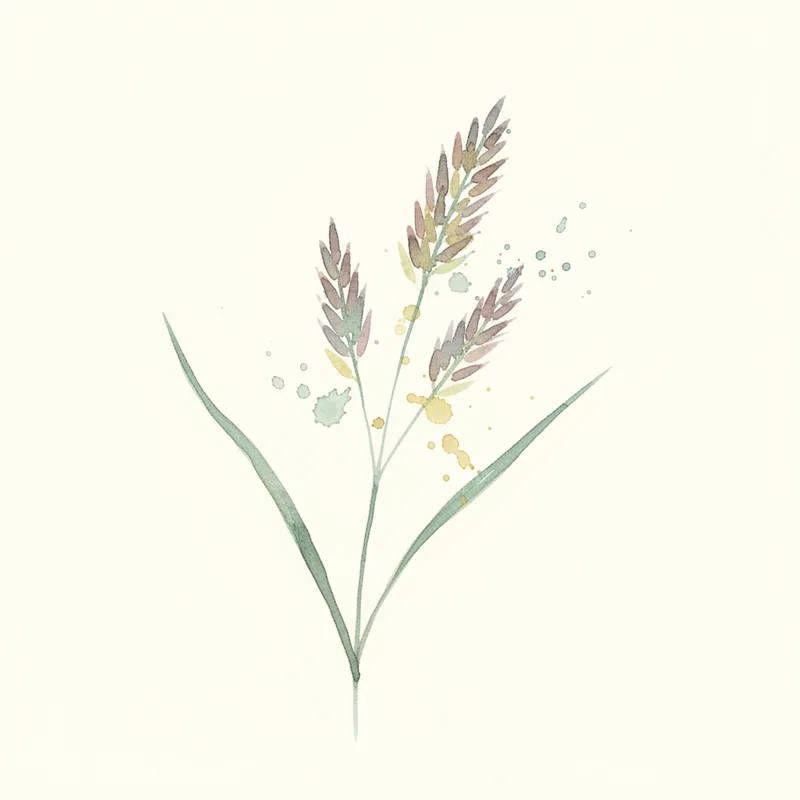
Short clumping grass with distinctive eyebrow-shaped seed heads thrives in dry soils.
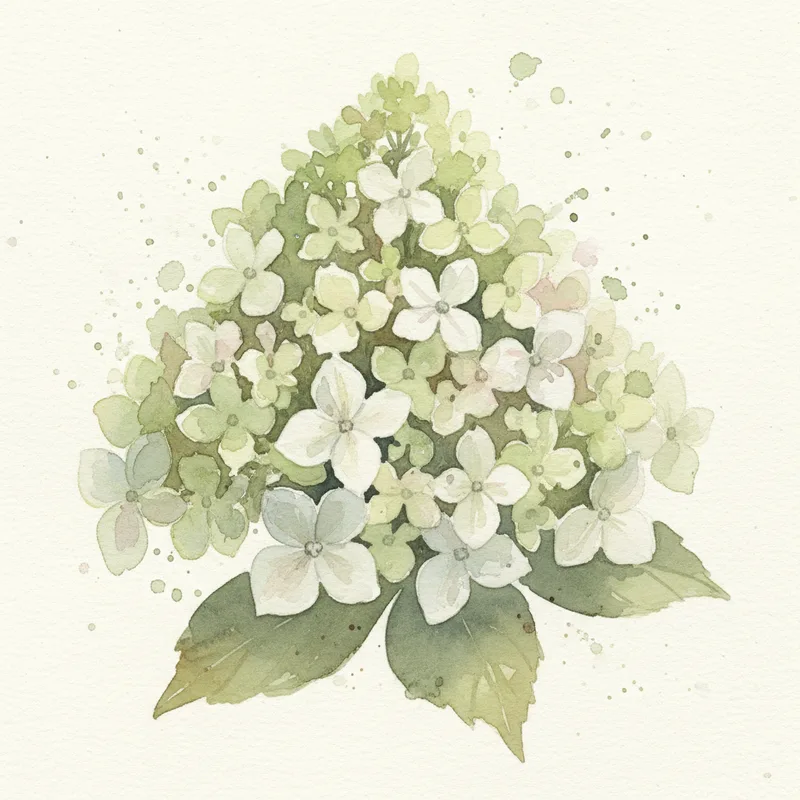
Dwarf paniculata smothered in blooms. Perfect front-of-border plant that needs almost no care.
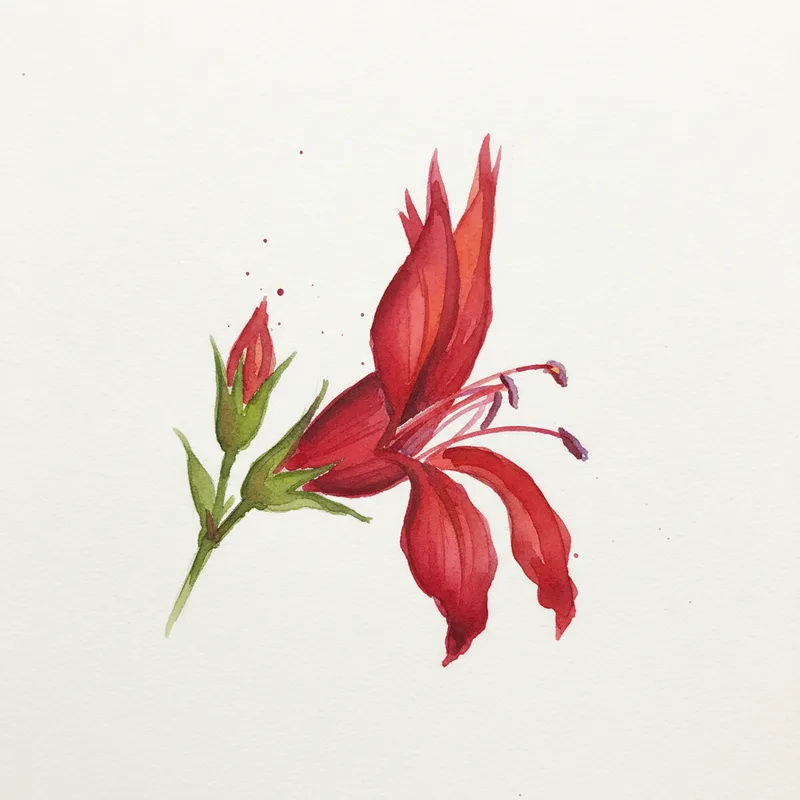
Screaming scarlet spikes. The most vivid red in the native plant world.
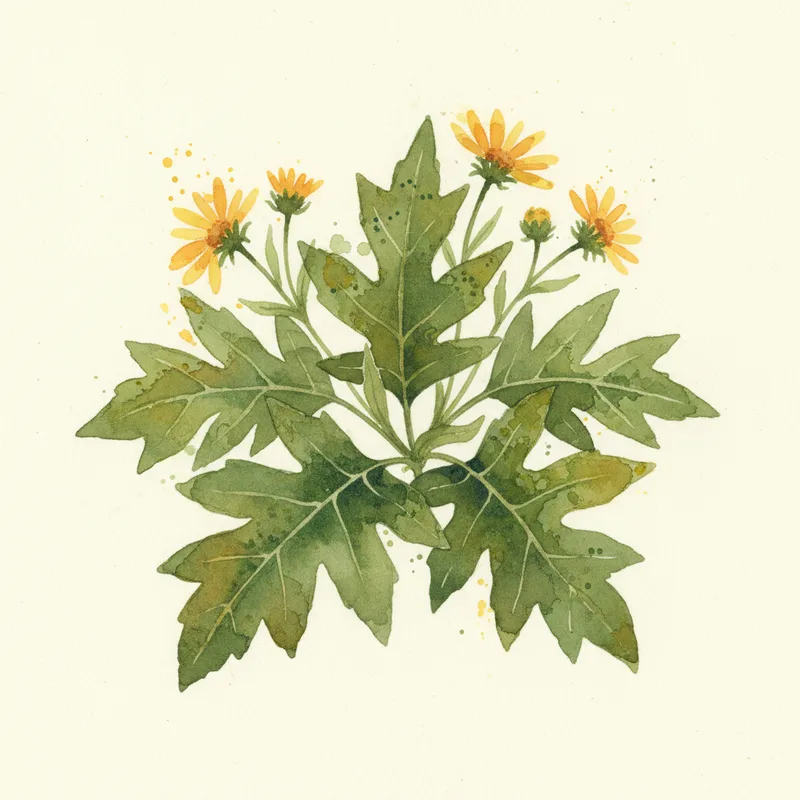
Tall stems with large yellow daisies tower over deeply cut basal leaves that align north-south.
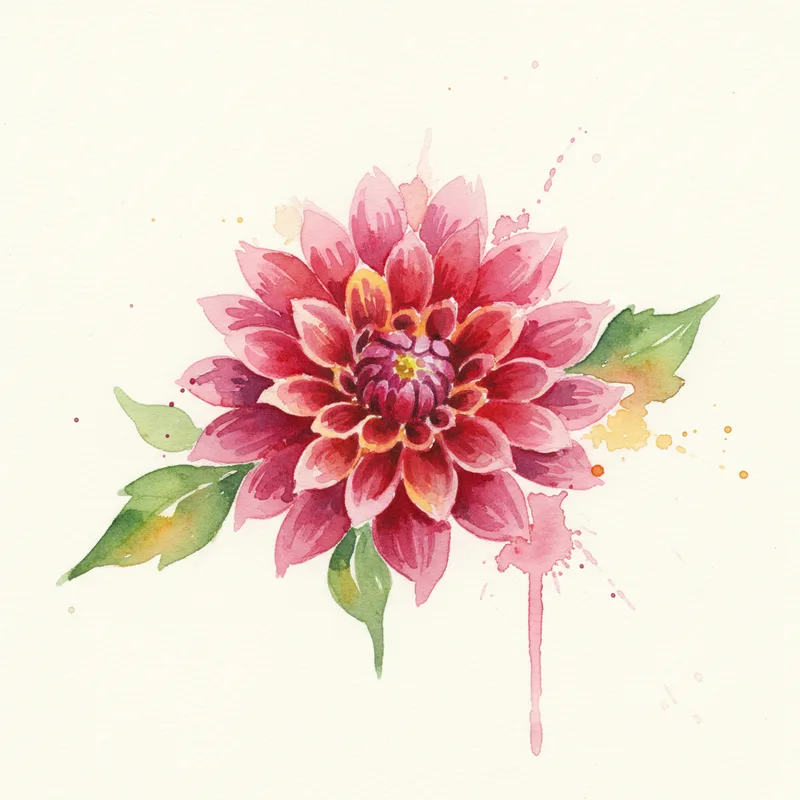
Endless forms from dinner-plate to pompom. The obsession of flower farmers.
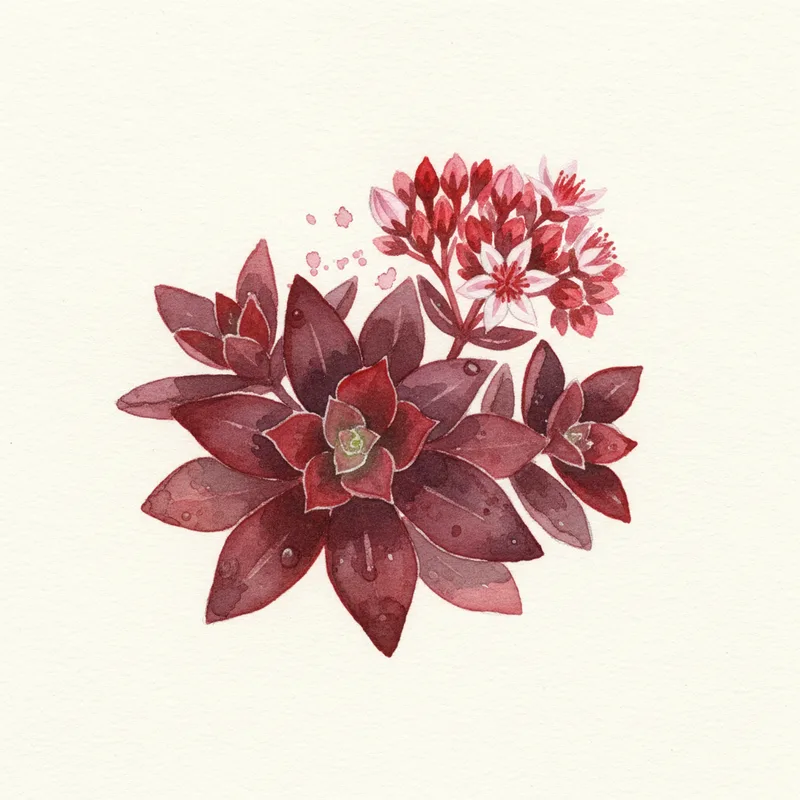
Creeping mat of burgundy-tinged foliage with starry red flowers. Turns deep red in fall.
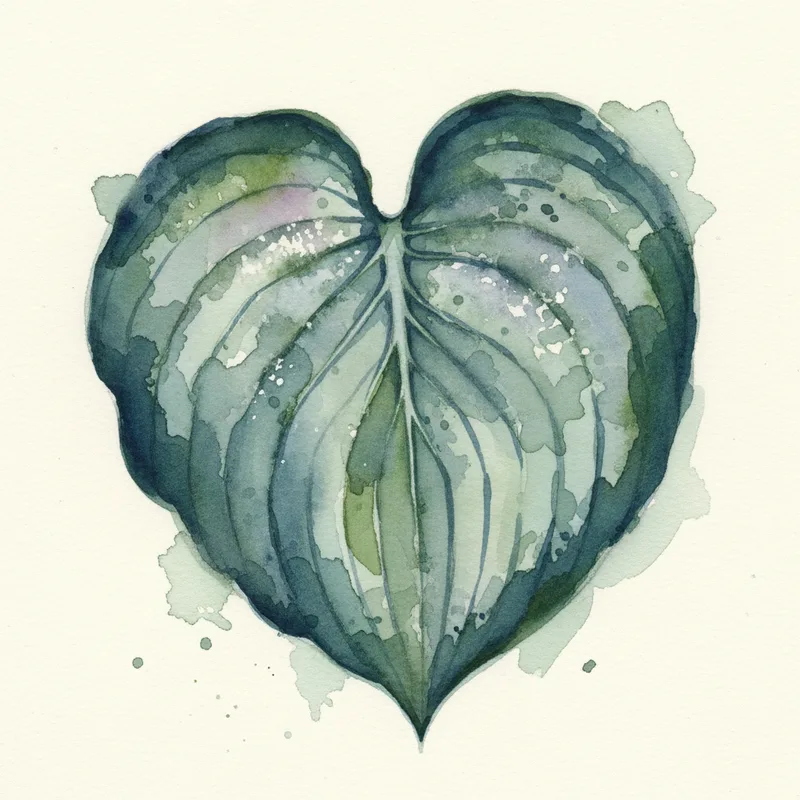
The world's largest hosta. Individual leaves can exceed two feet. A bold statement in any shade garden.
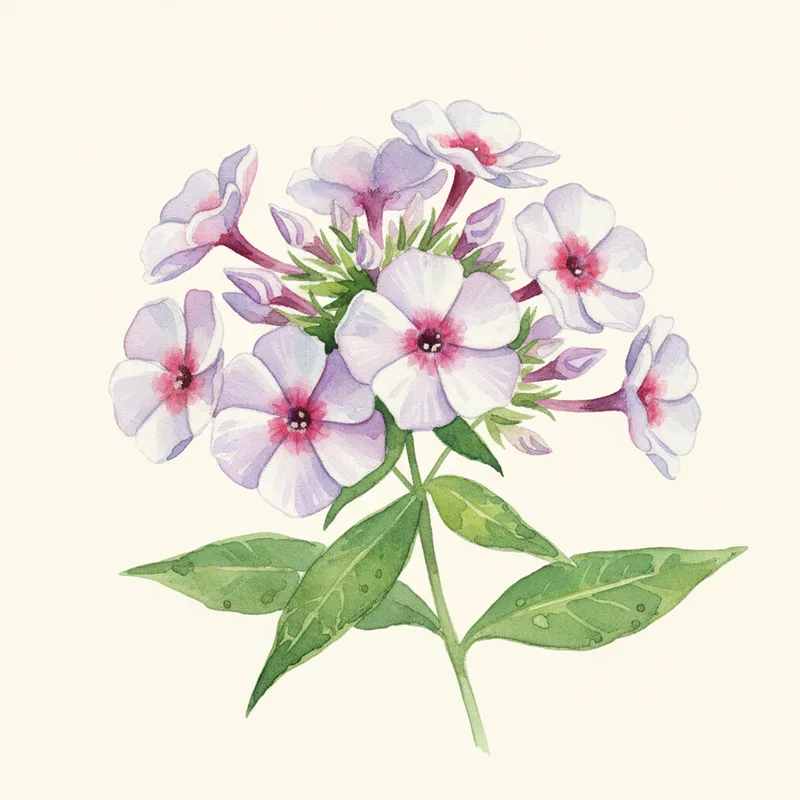
Billowing clusters of fragrant summer color. A butterfly magnet.
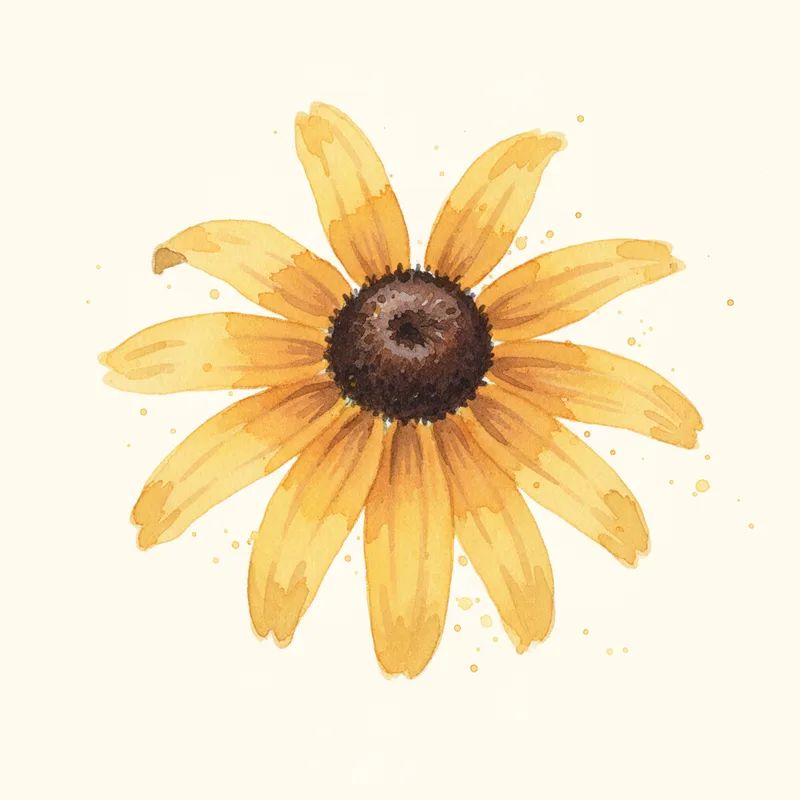
The gold standard rudbeckia. Uniform, floriferous, and utterly reliable in any soil.
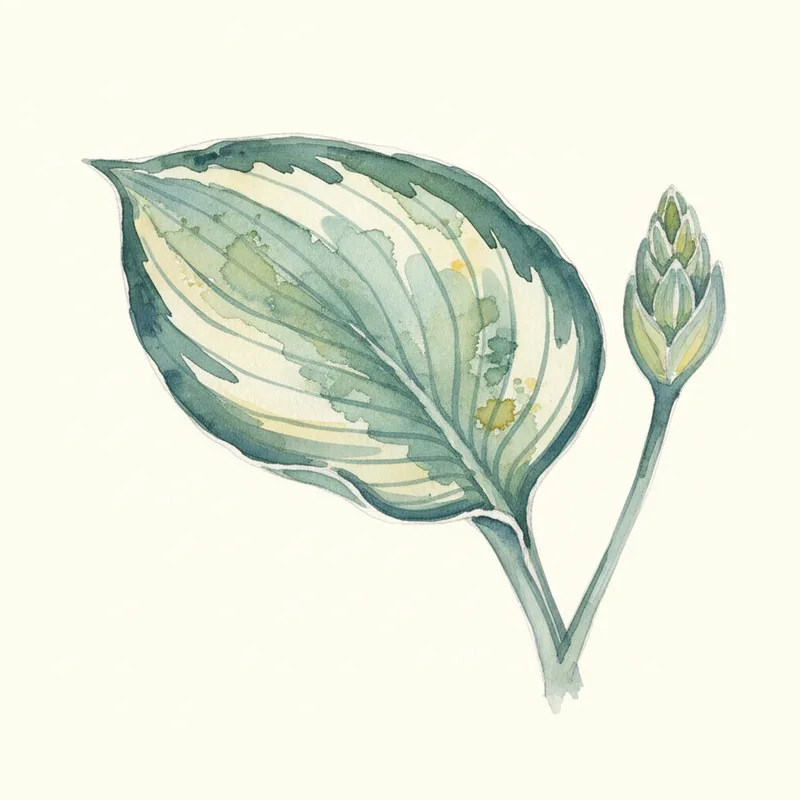
The bluest hosta you can grow. Thick, heavily textured leaves resist slugs better than most.
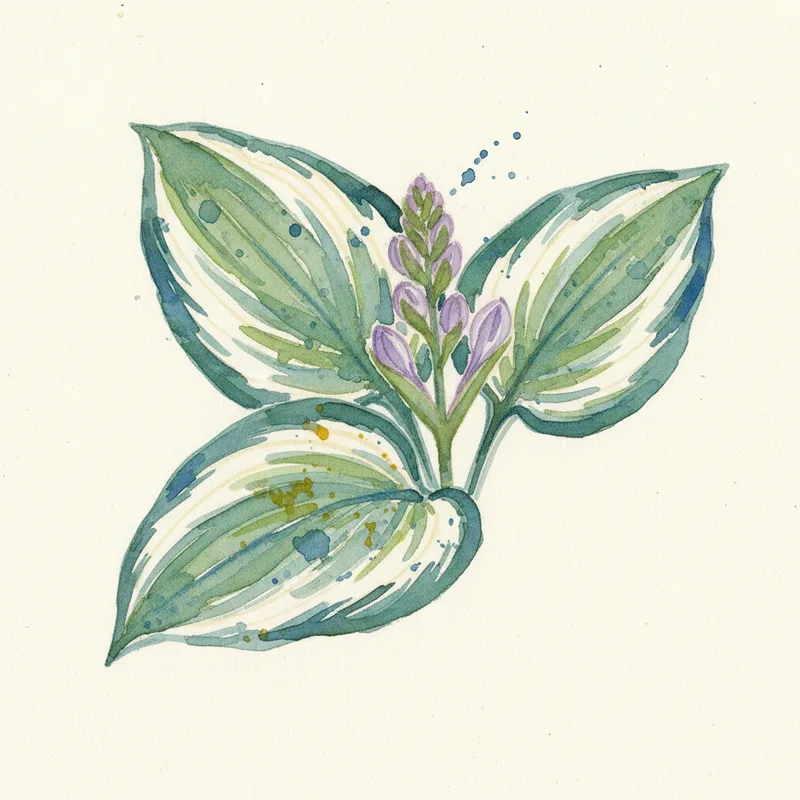
The undisputed queen of shade gardening. Foliage in every green and blue.
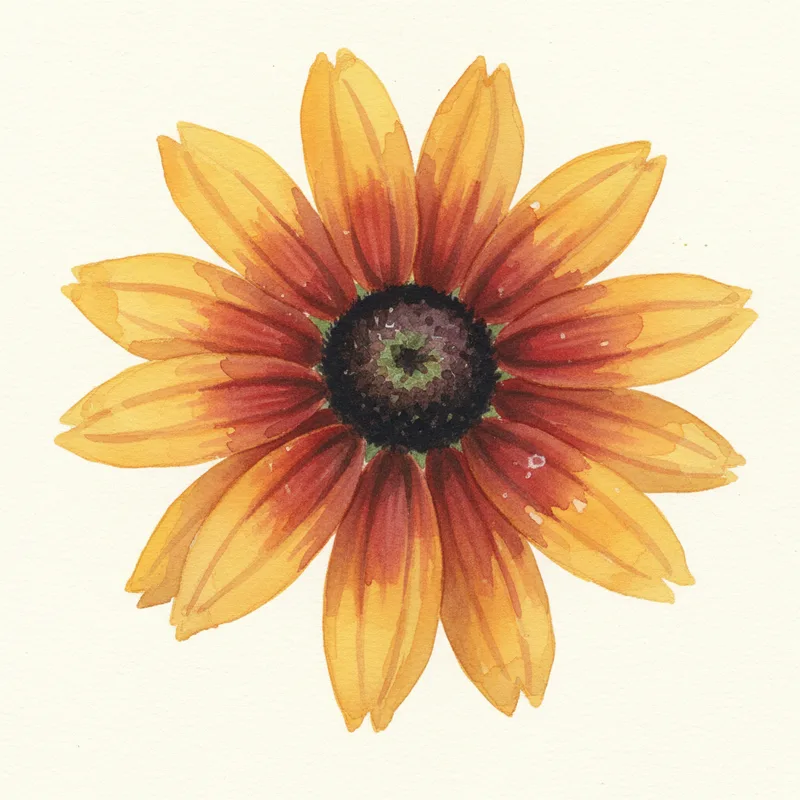
Massive 6-9 inch golden daisies on a short-lived plant. Bigger and bolder than perennial black-eyed susans.
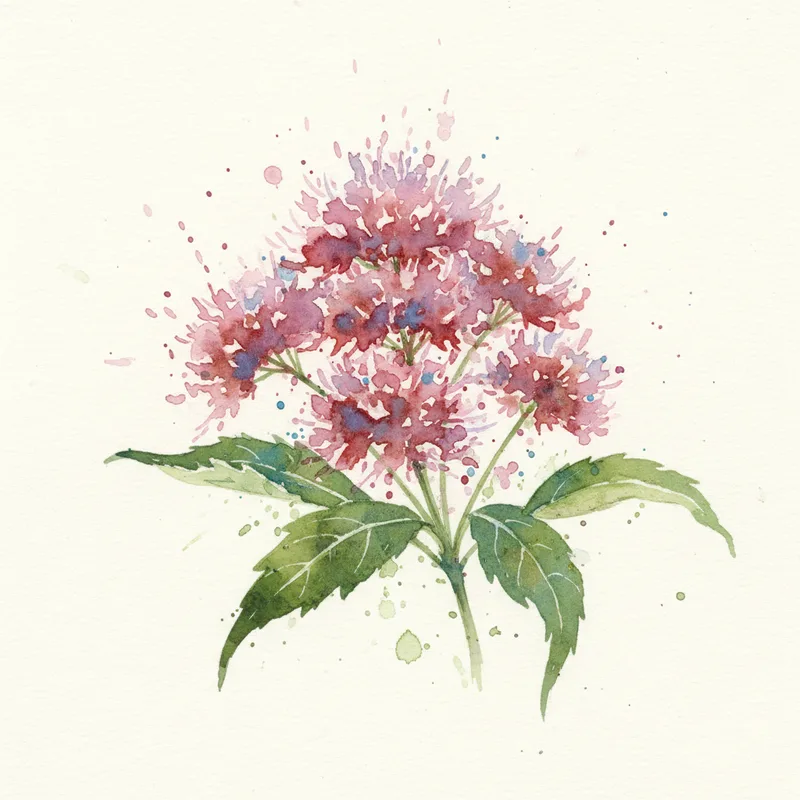
Towering native with mauve domes that butterflies swarm in late summer.
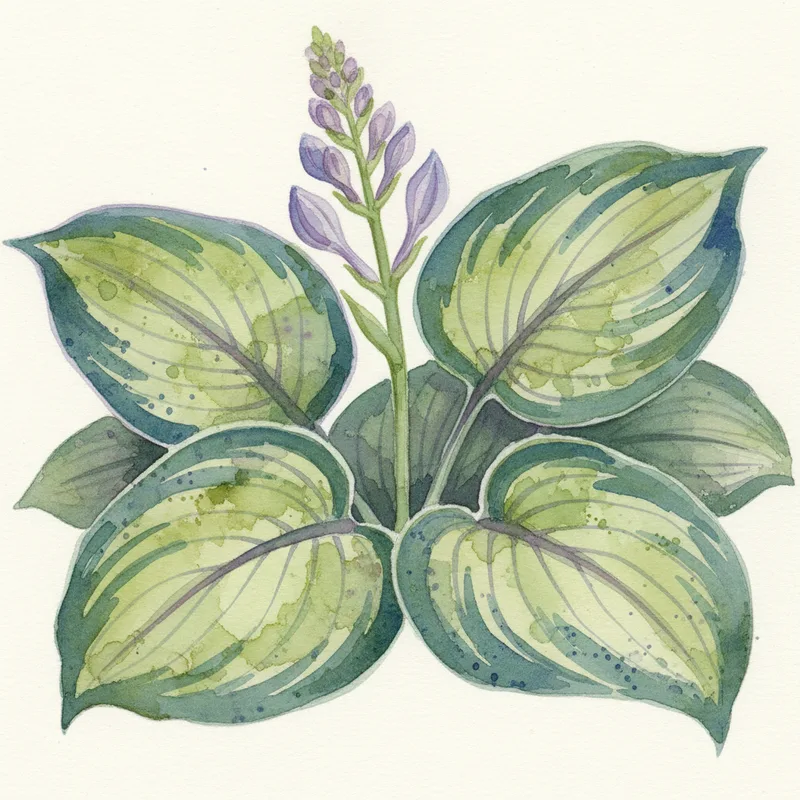
Gold center streaked with blue-green margins. Color shifts through the season. A collector's favorite.
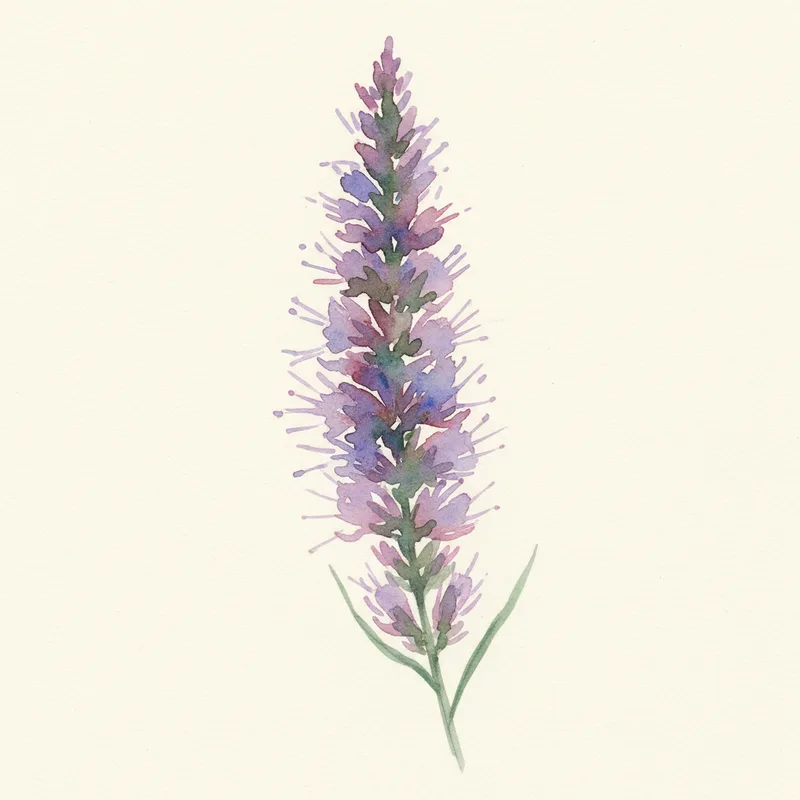
Blazing star. Spikes that bloom unusually from top to bottom.
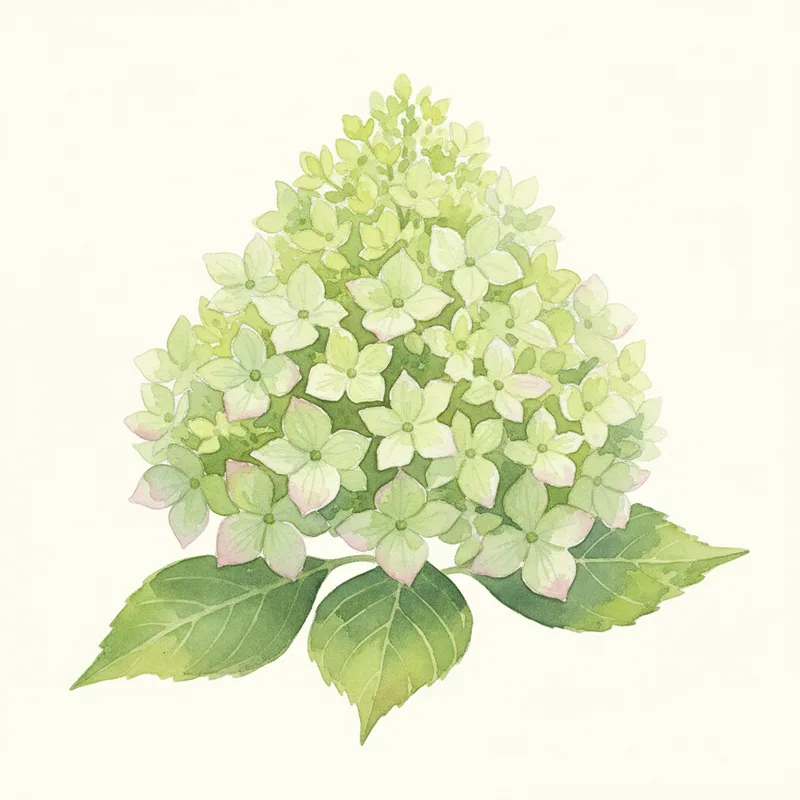
Cone-shaped blooms open chartreuse, mature to white, then blush pink in fall. Tough as nails.
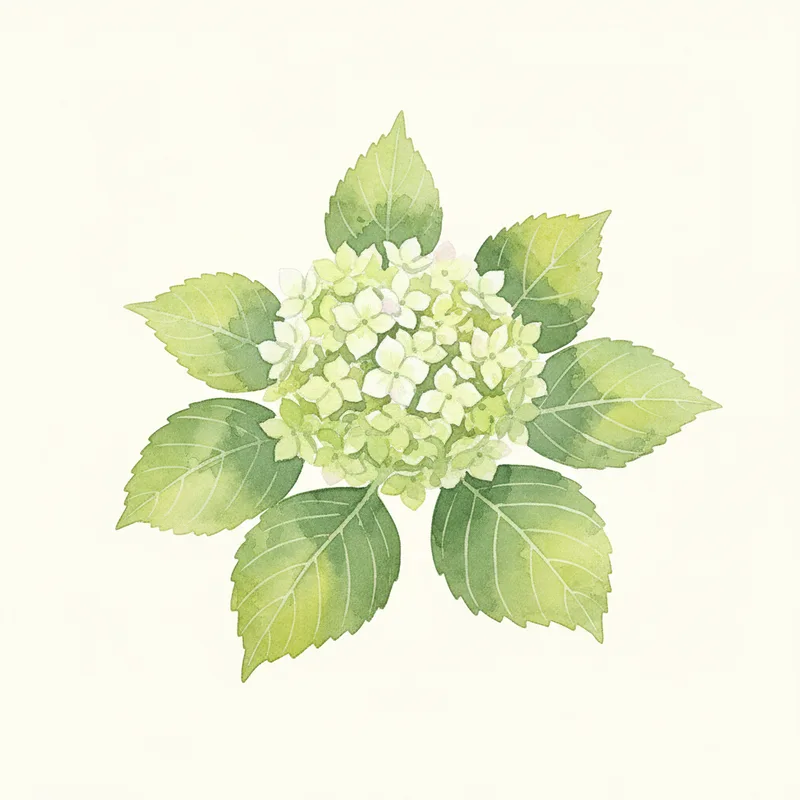
Compact Limelight. Same color show in a smaller package perfect for borders and containers.
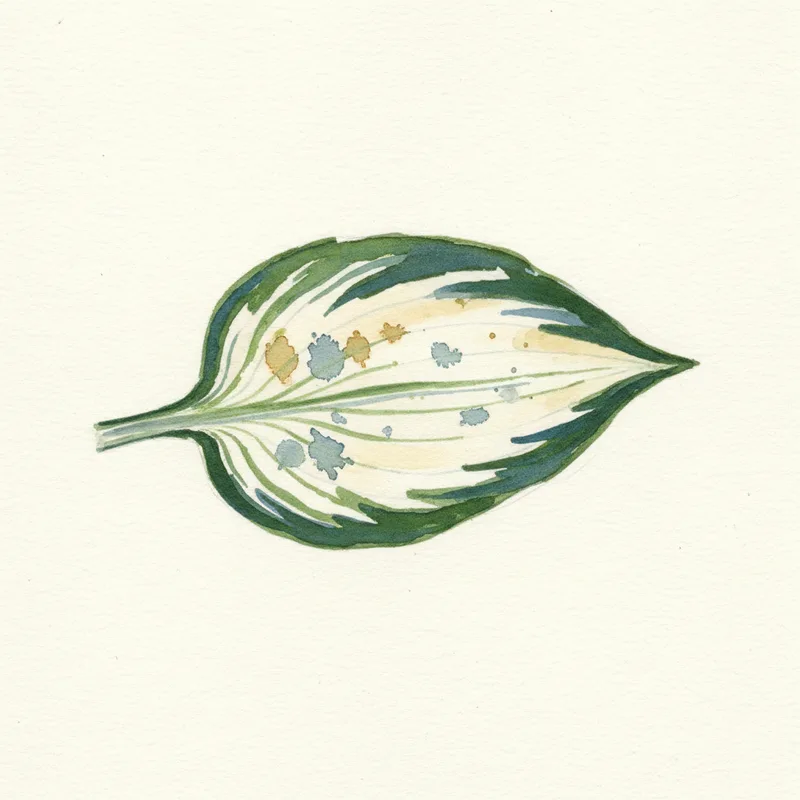
Dark green leaves with crisp white margins. Classic variegated hosta that brightens shady spots.
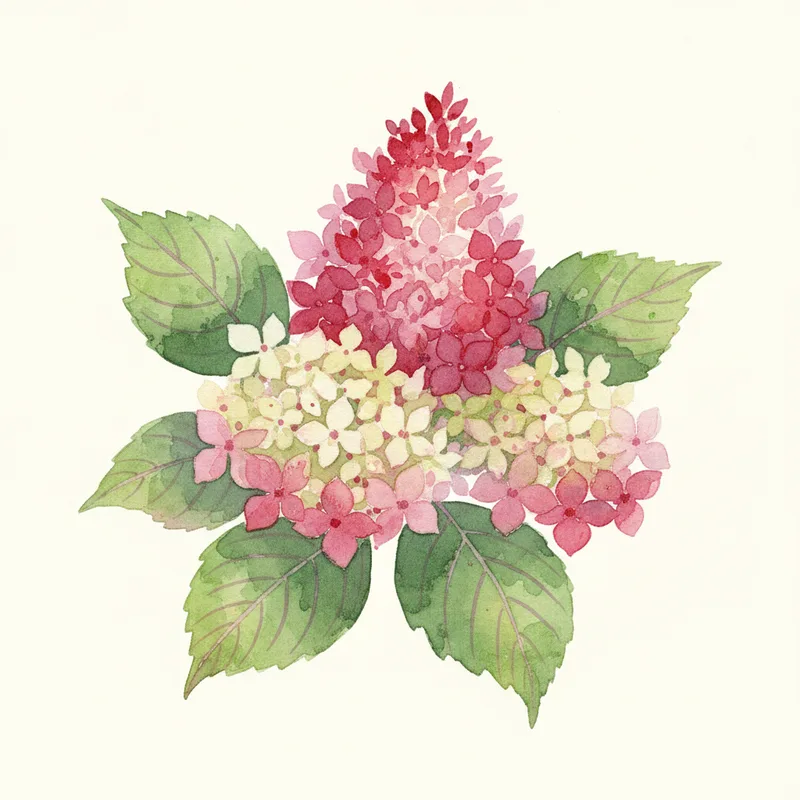
Two-tone blooms with white tips and pink bases. Strong stems hold heavy flower heads upright.
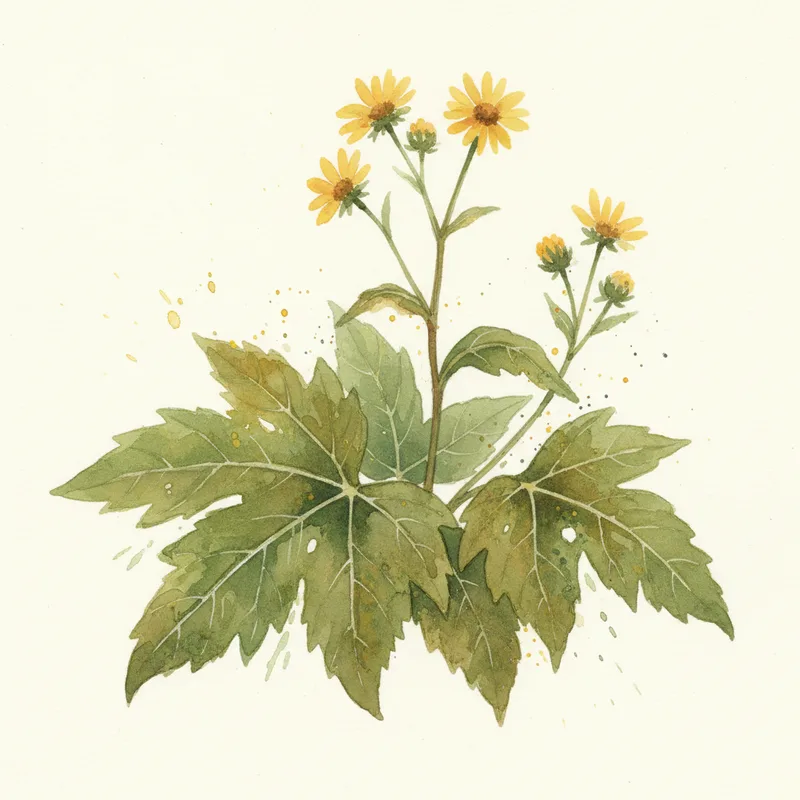
Huge basal leaves and tall stalks topped with yellow daisies give strong prairie structure.
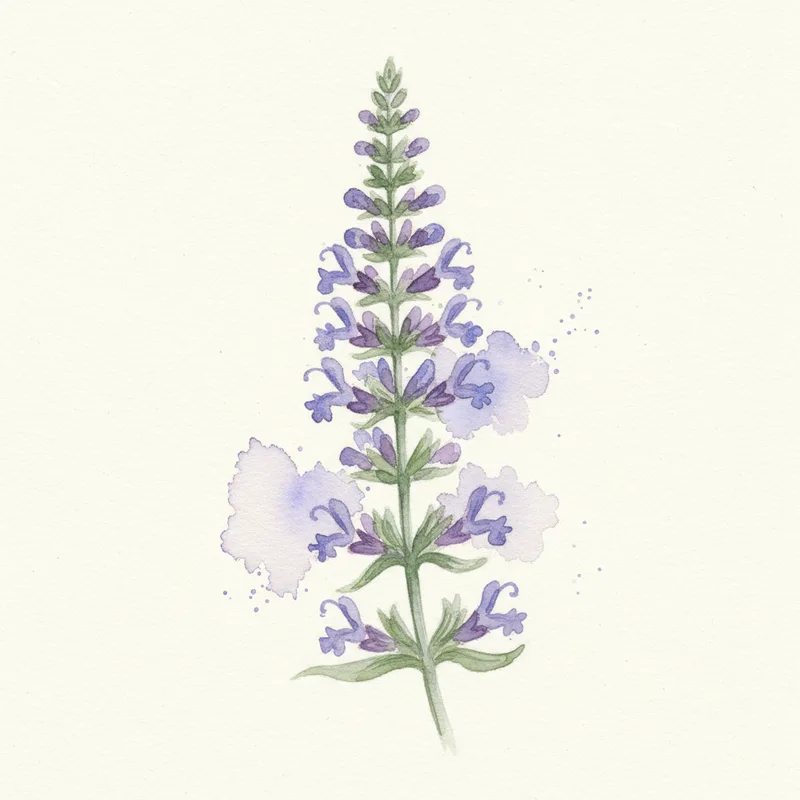
Airy lavender clouds on silver stems. Thrives in heat and poor soil.
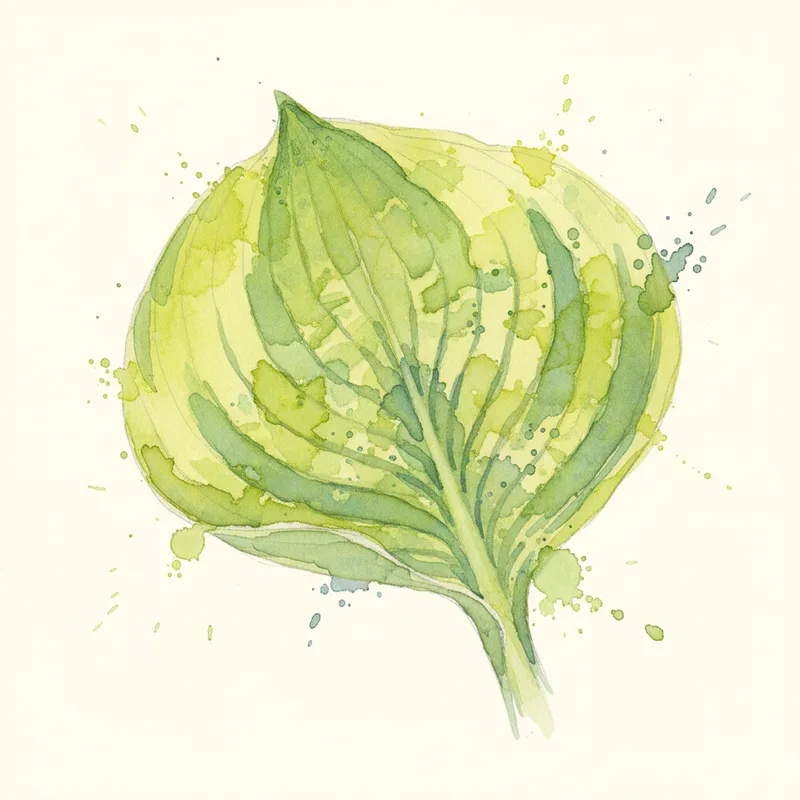
Chartreuse giant that can take more sun than most hostas. Heart-shaped leaves grow enormous.
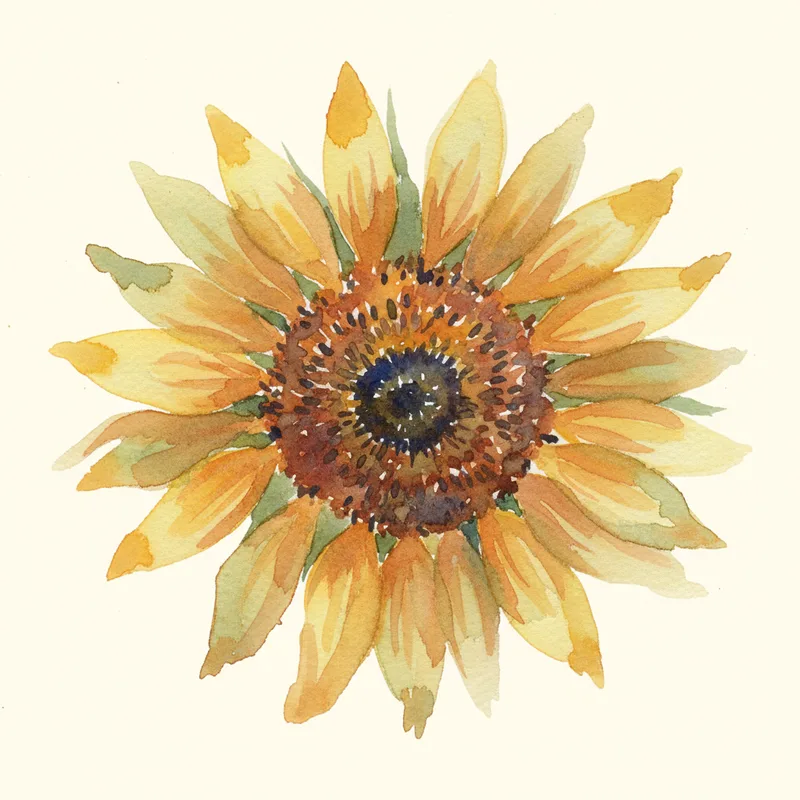
Pure joy on a stalk. Birds love the seeds, kids love the spectacle.
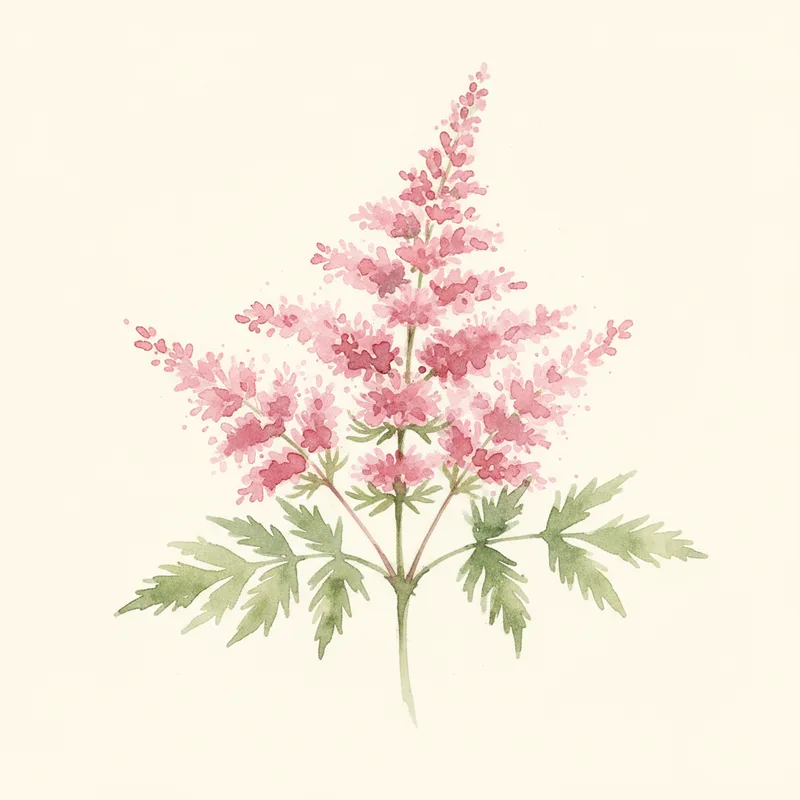
Compact and more drought-tolerant than most astilbes. Dense, rosy-pink plumes.
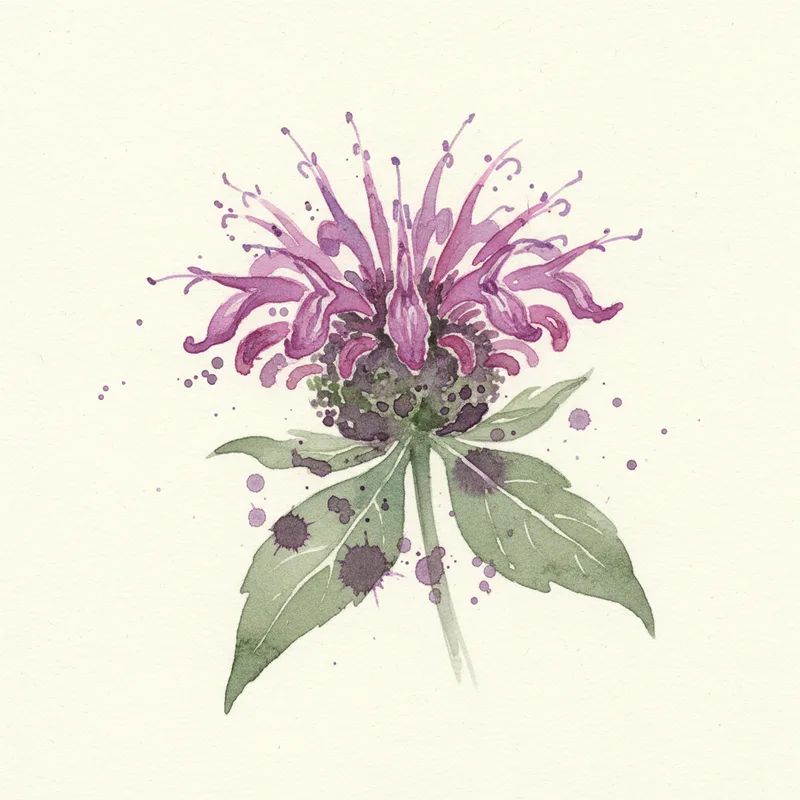
The wild cousin of bee balm. Lavender puffs alive with pollinators. Tougher and more mildew-resistant.
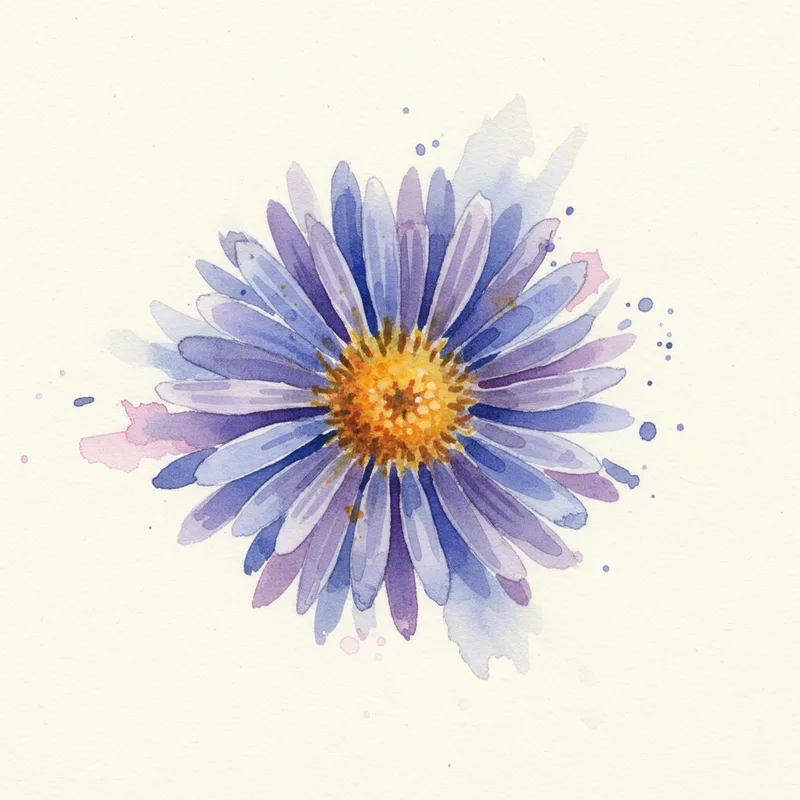
The grand finale of the garden season. Essential for fall pollinators.
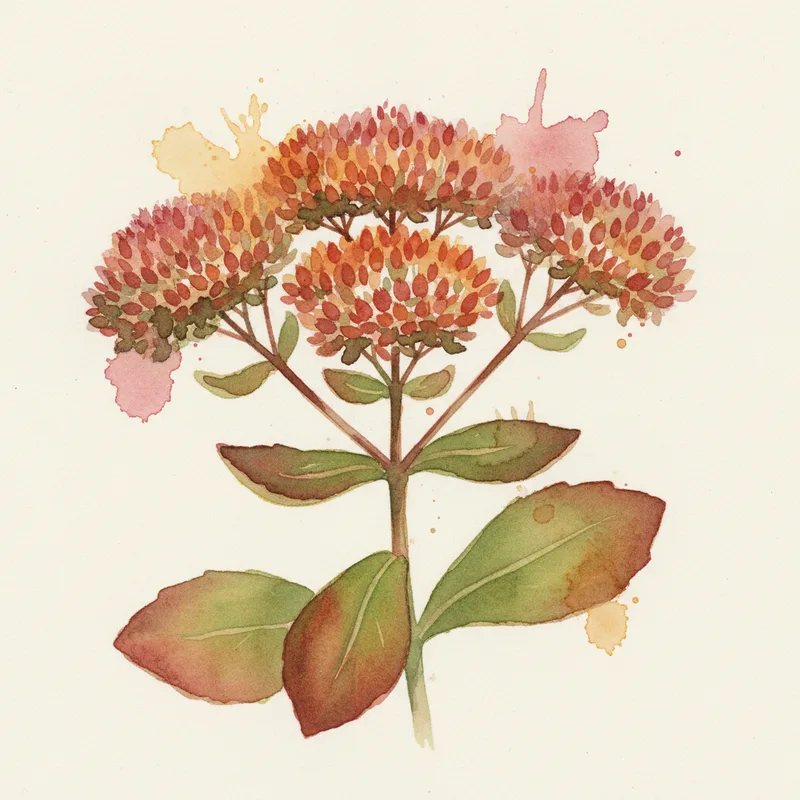
Broccoli-like heads open pink and age to copper-bronze. Four-season interest, zero maintenance.
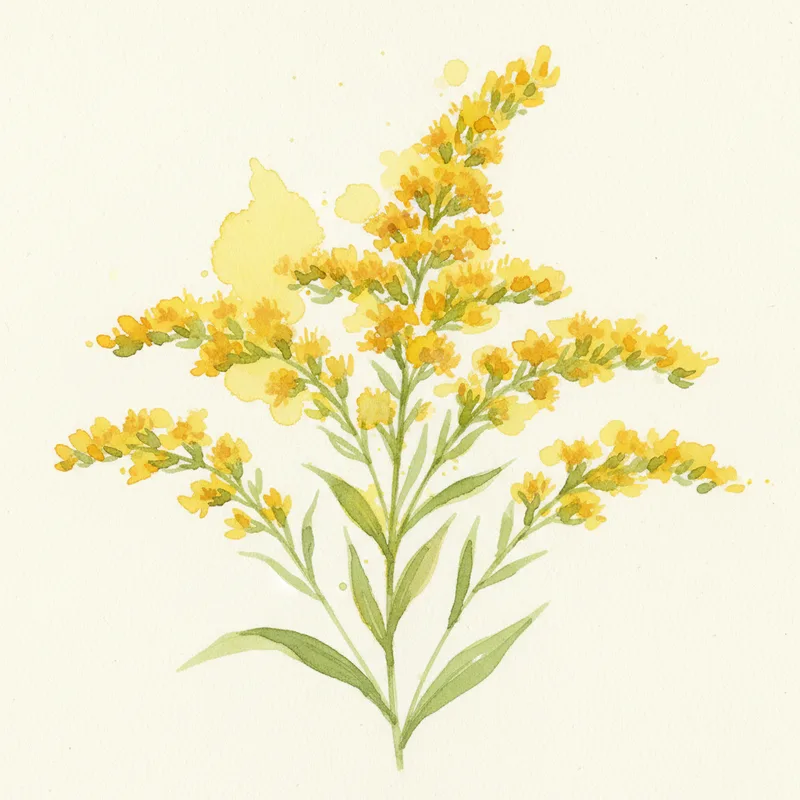
Wrongly blamed for allergies. A vital late-season pollinator magnet.
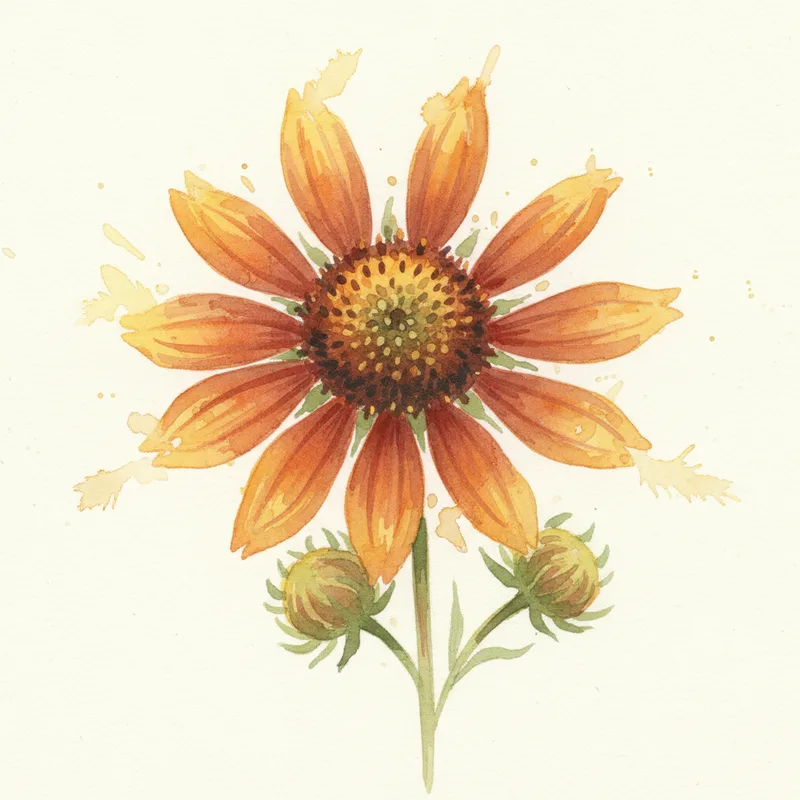
Warm-toned daisy-like flowers with raised centers bloom as summer turns to fall. Loves moist soil.
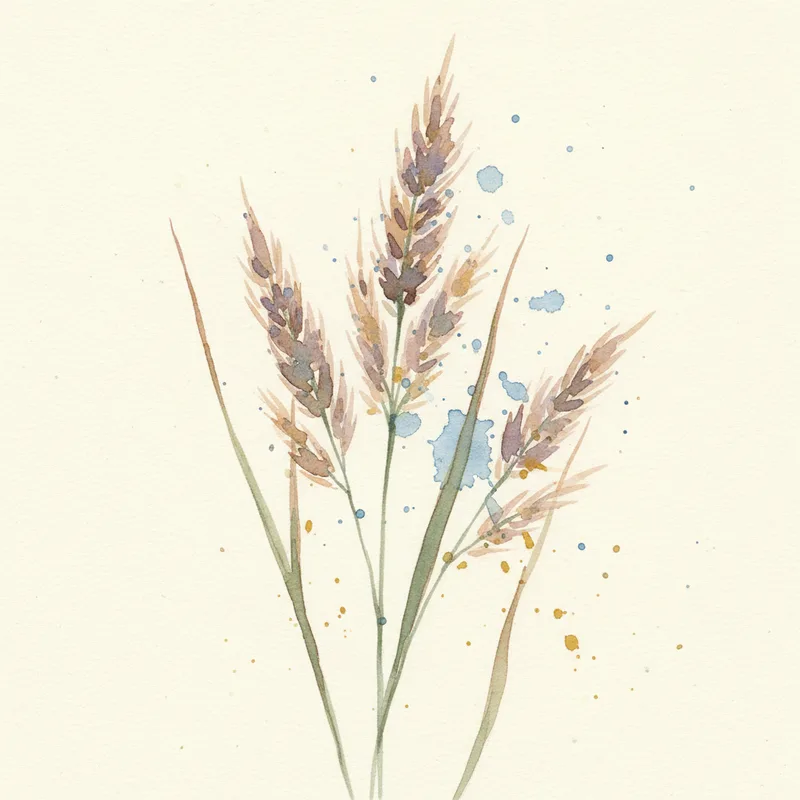
Upright clumps turn coppery orange in fall and stand well through winter.
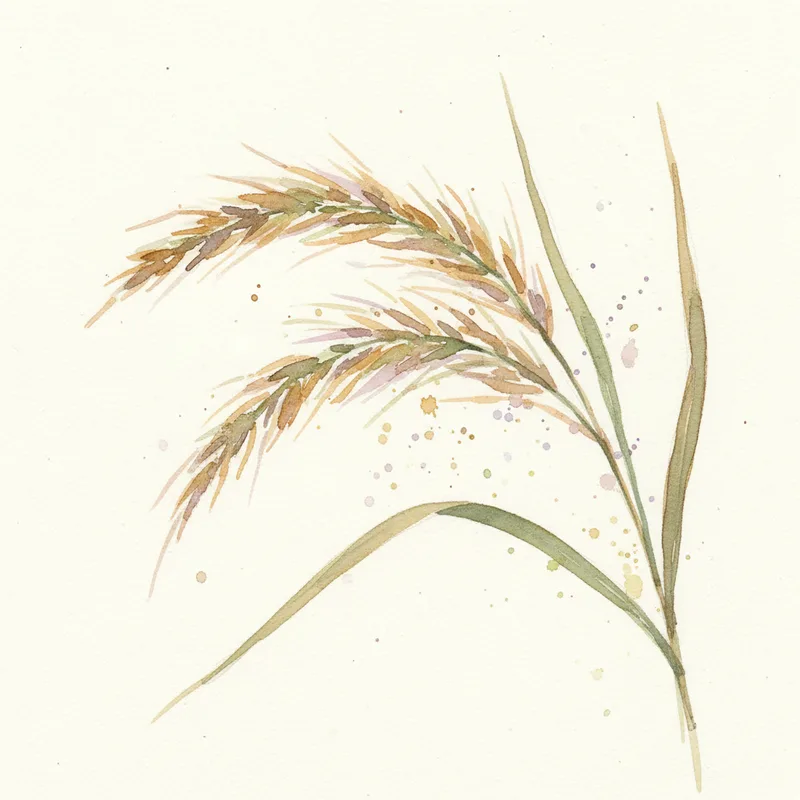
Fine-textured mounds send up airy fragrant flower sprays that persist into winter.
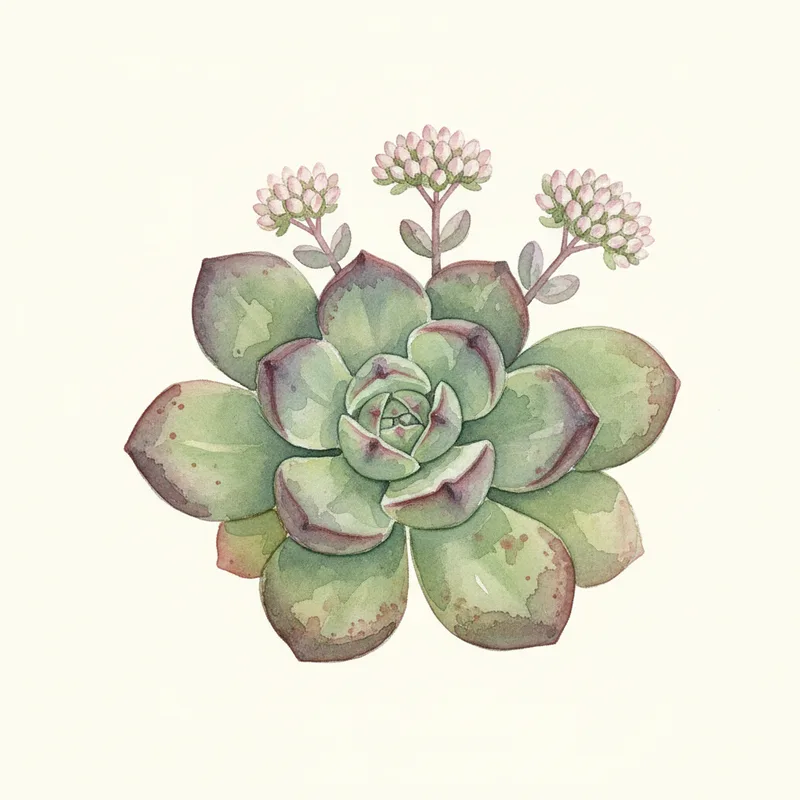
Succulent leaves, tough as nails. Ages to deep crimson in autumn.
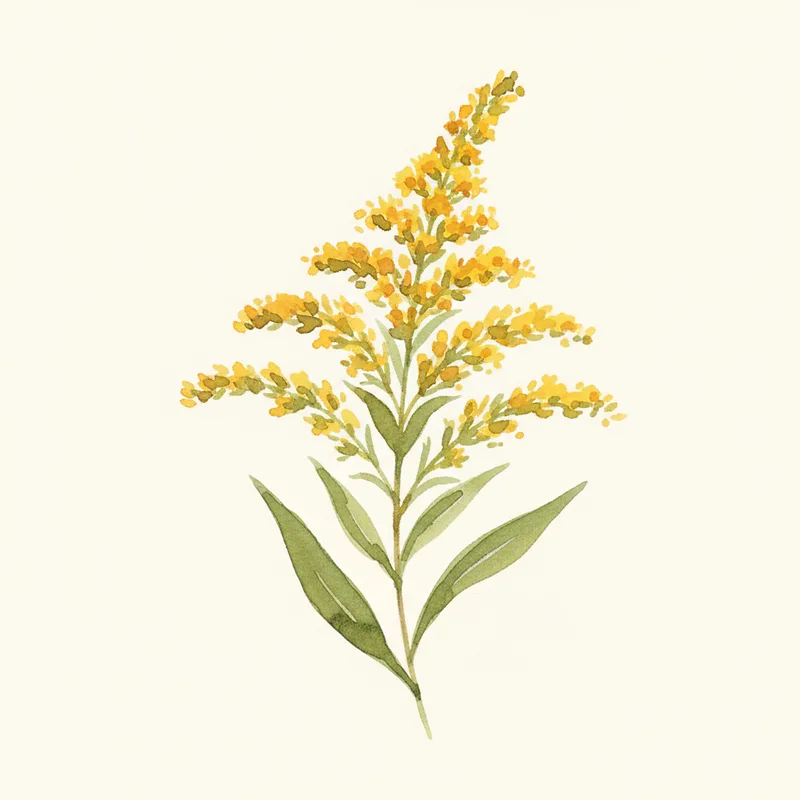
Upright spikes of bright yellow flowers feed late-season pollinators on dry prairies.
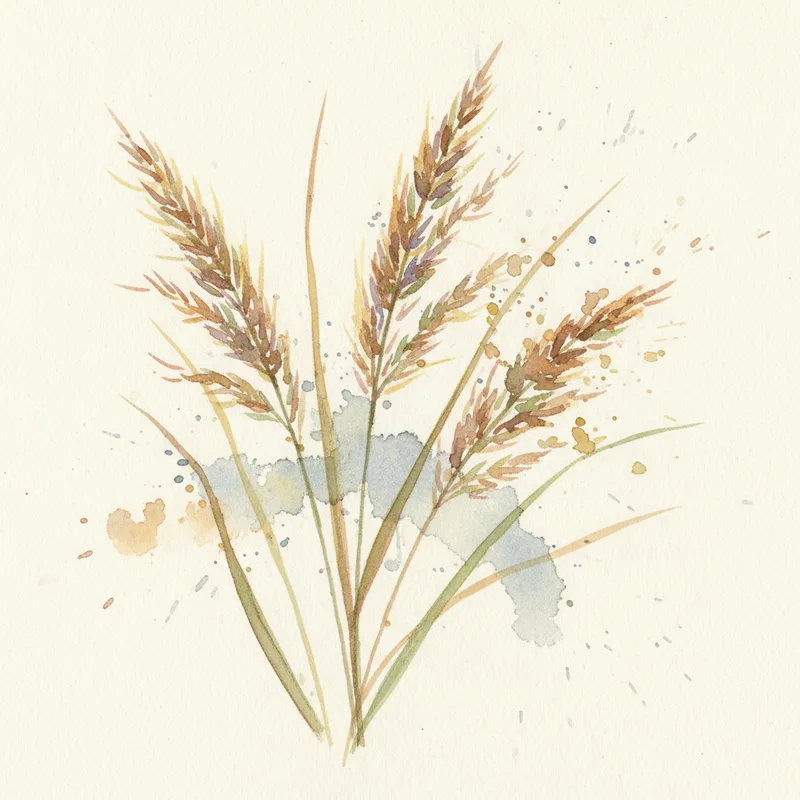
Upright native grass with airy seed heads. Gold and red fall color.
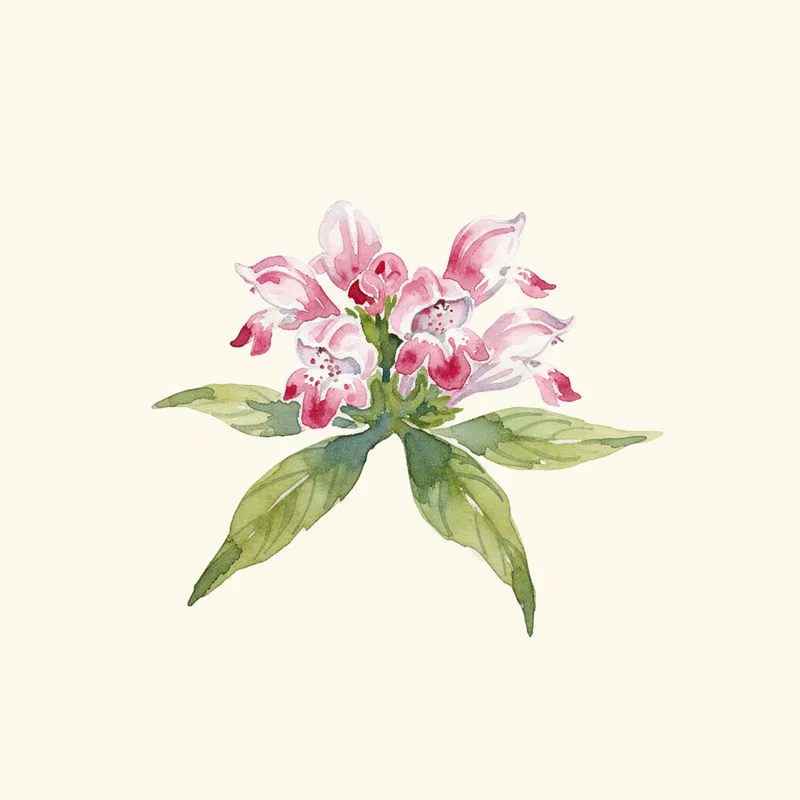
Snapdragon-like flowers shaped exactly like a turtle's head. Loves wet feet.