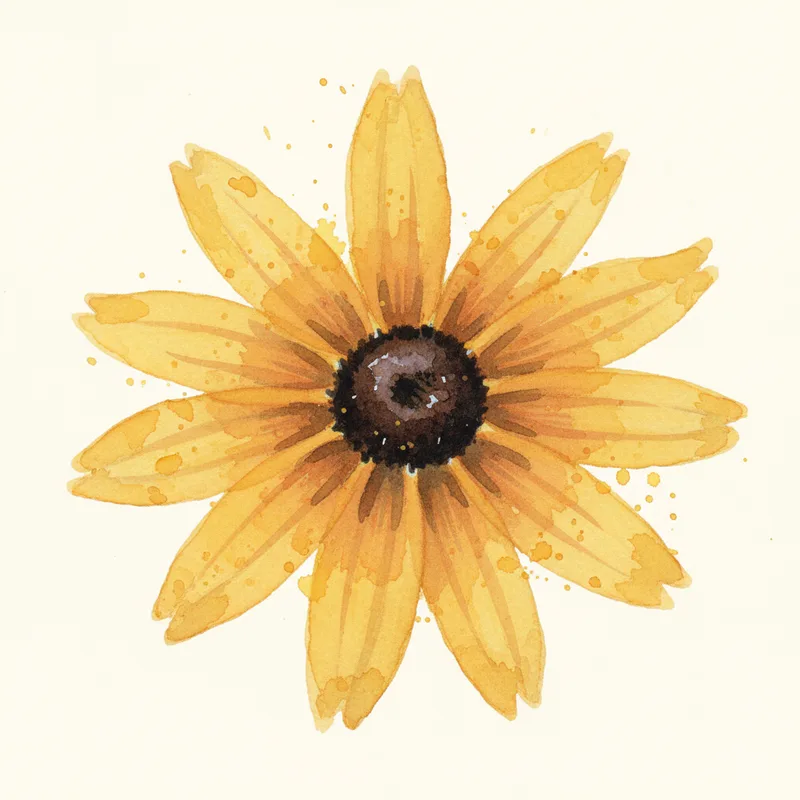
Narrow, fuzzy foliage resists the leaf spot that plagues Goldsturm. A worthy upgrade.
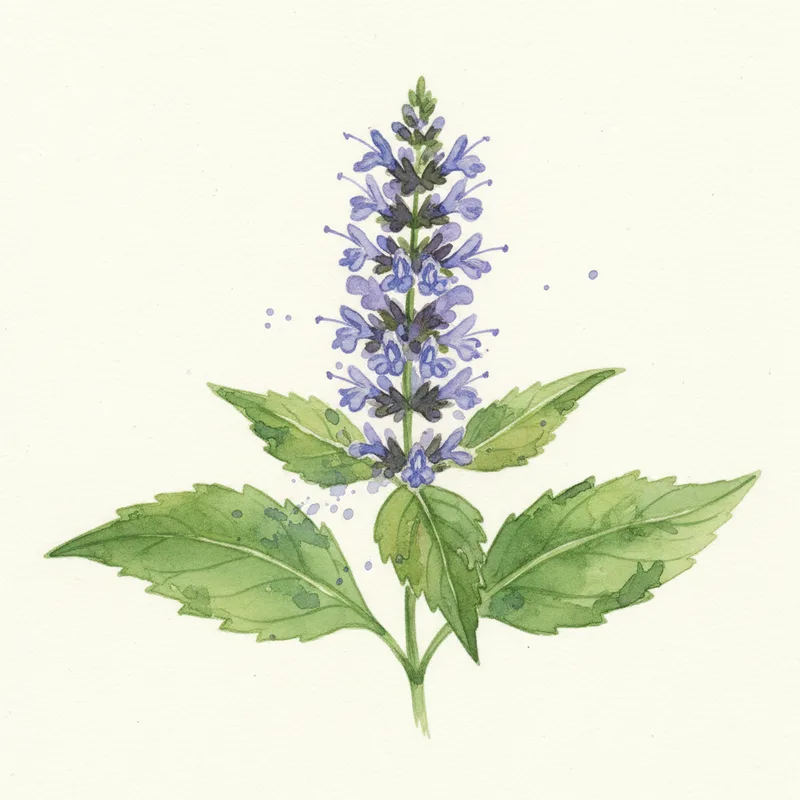
Lavender-blue spikes with licorice-scented foliage. A pollinator powerhouse that blooms for months.
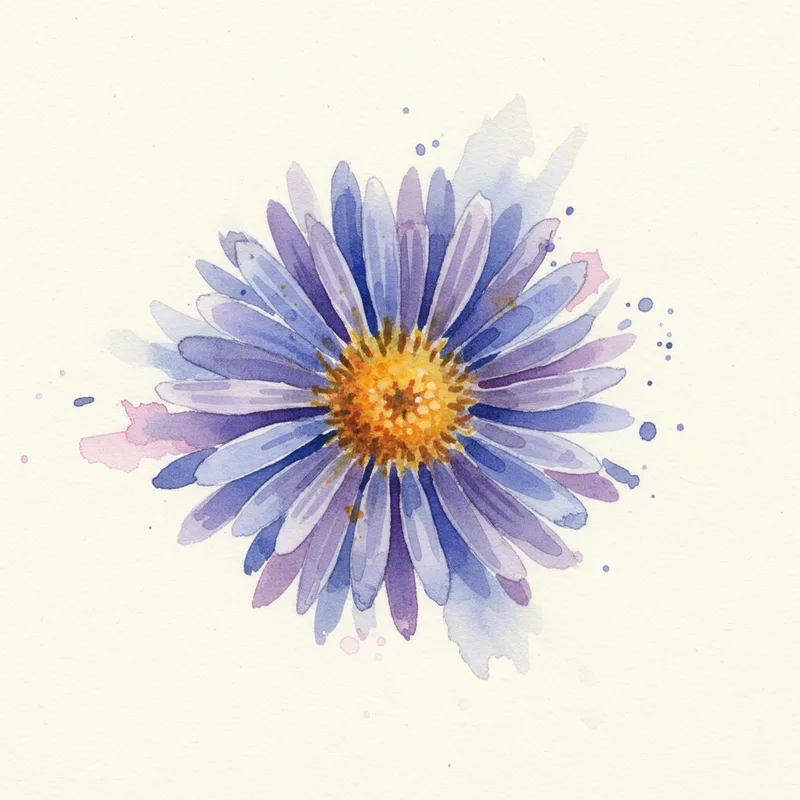
The grand finale of the garden season. Essential for fall pollinators.
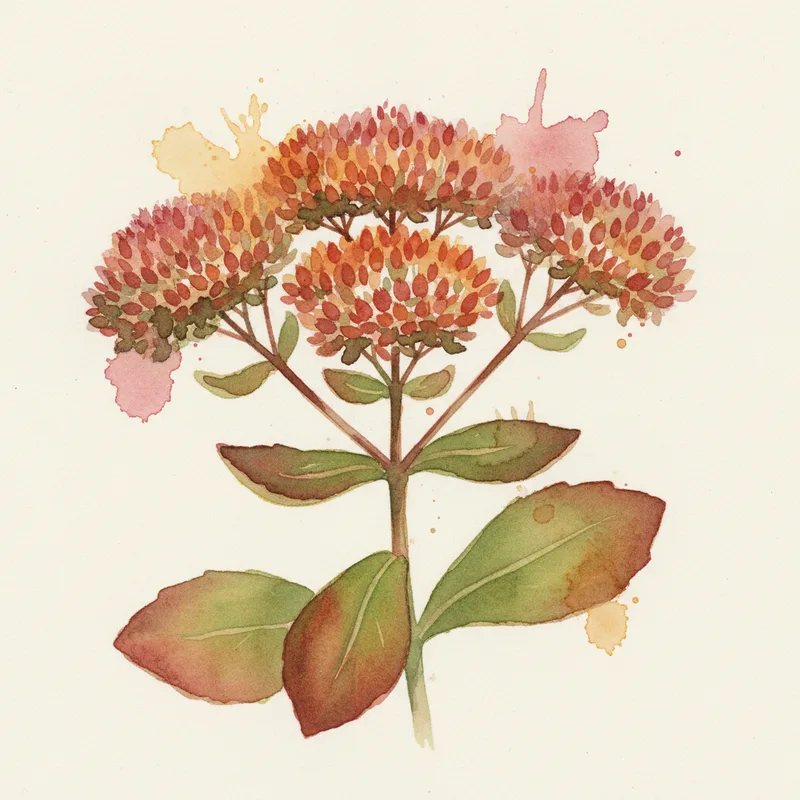
Broccoli-like heads open pink and age to copper-bronze. Four-season interest, zero maintenance.
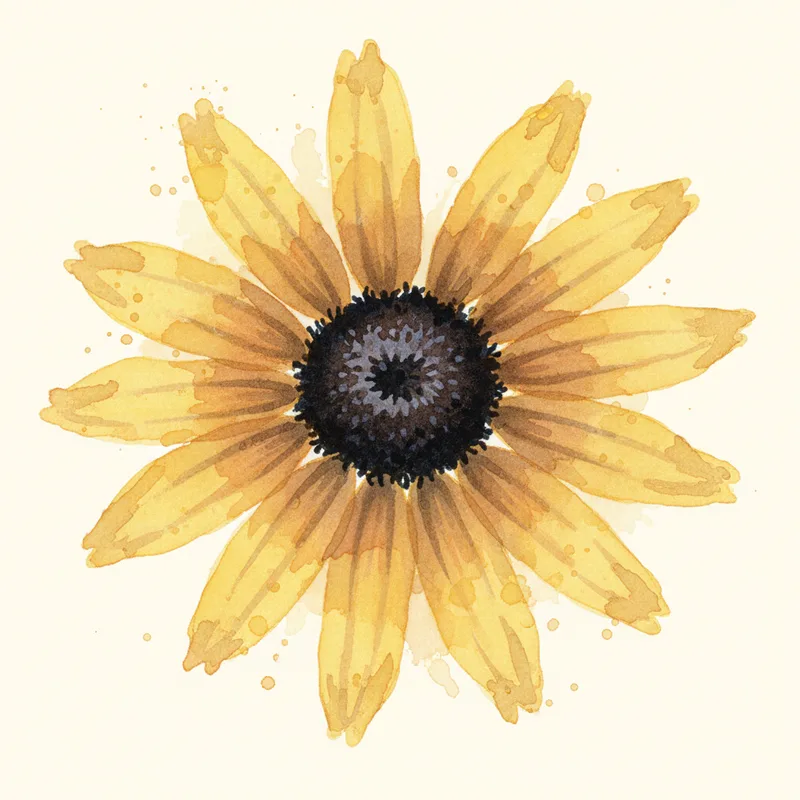
Golden prairie workhorse that lights up late summer meadows.
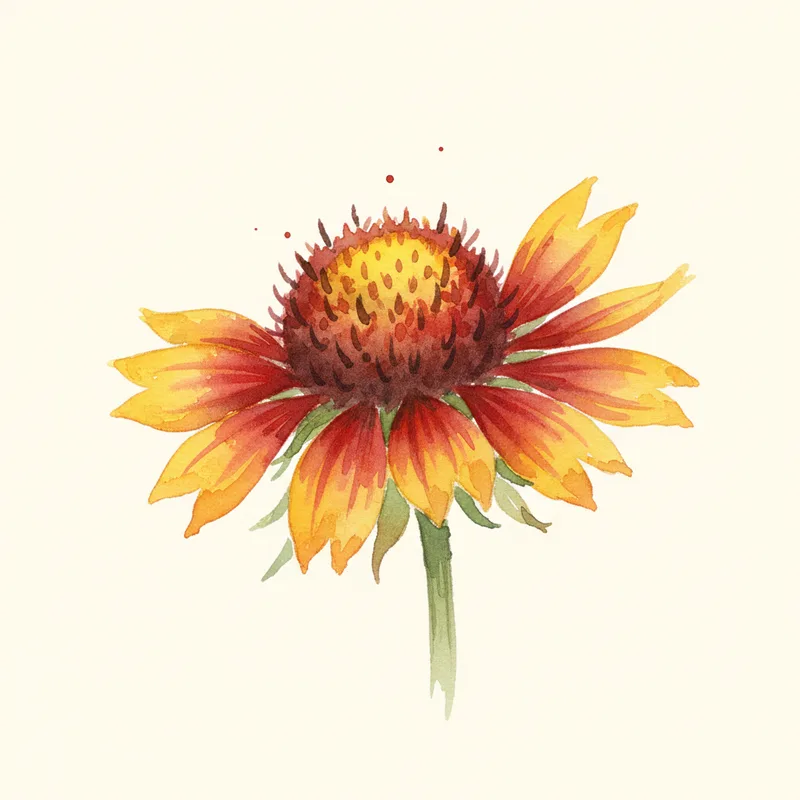
Fiery bicolor pinwheels that bloom nonstop in the worst heat and soil.
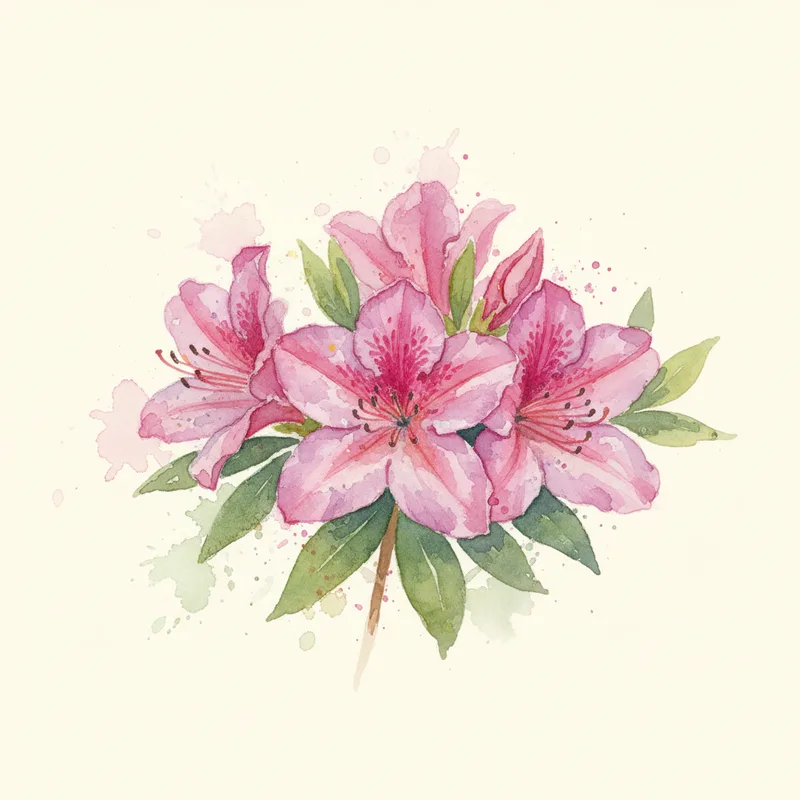
Repeat-blooming azalea with waves of color spring through fall. Evergreen in mild climates.
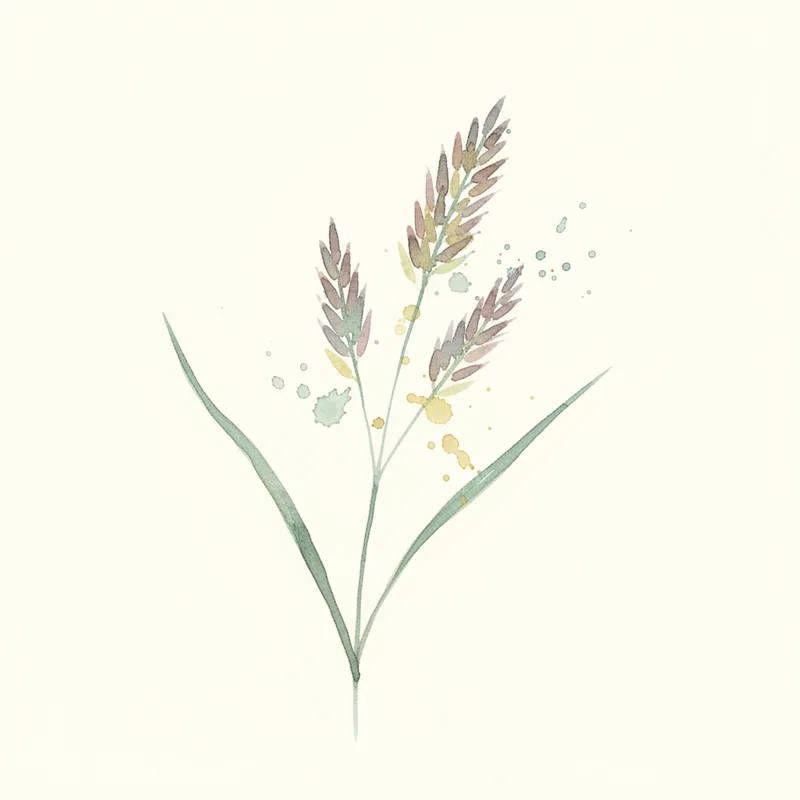
Short clumping grass with distinctive eyebrow-shaped seed heads thrives in dry soils.
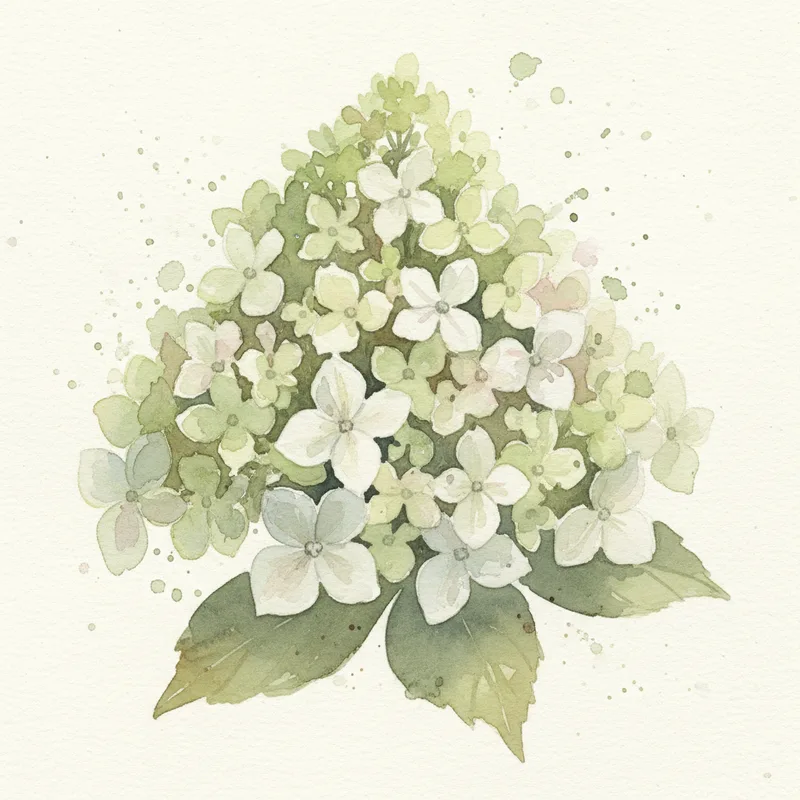
Dwarf paniculata smothered in blooms. Perfect front-of-border plant that needs almost no care.
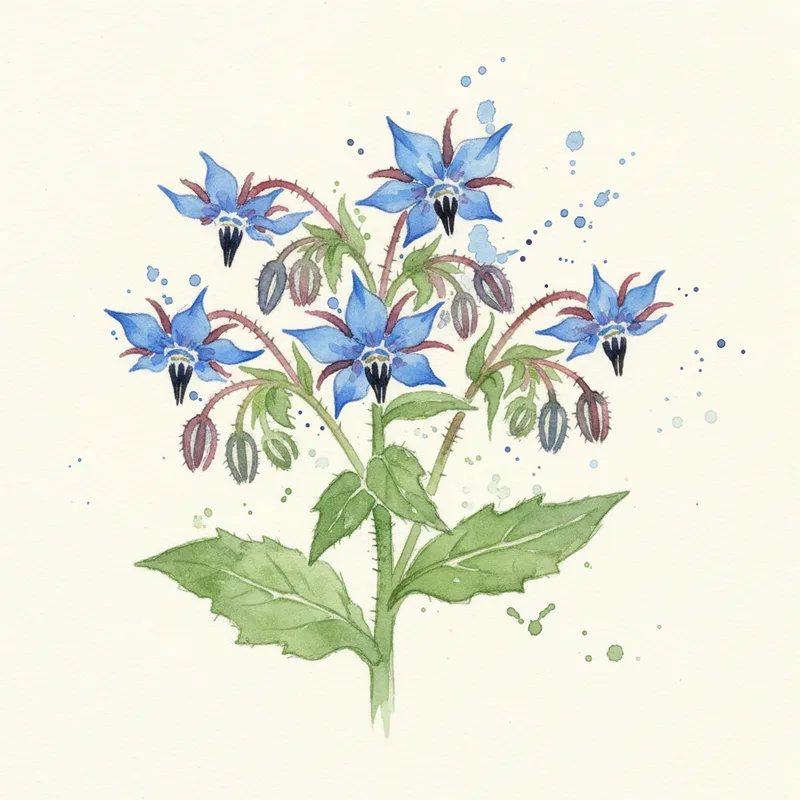
Star-shaped electric blue flowers that bees go absolutely wild for. Self-sows freely.
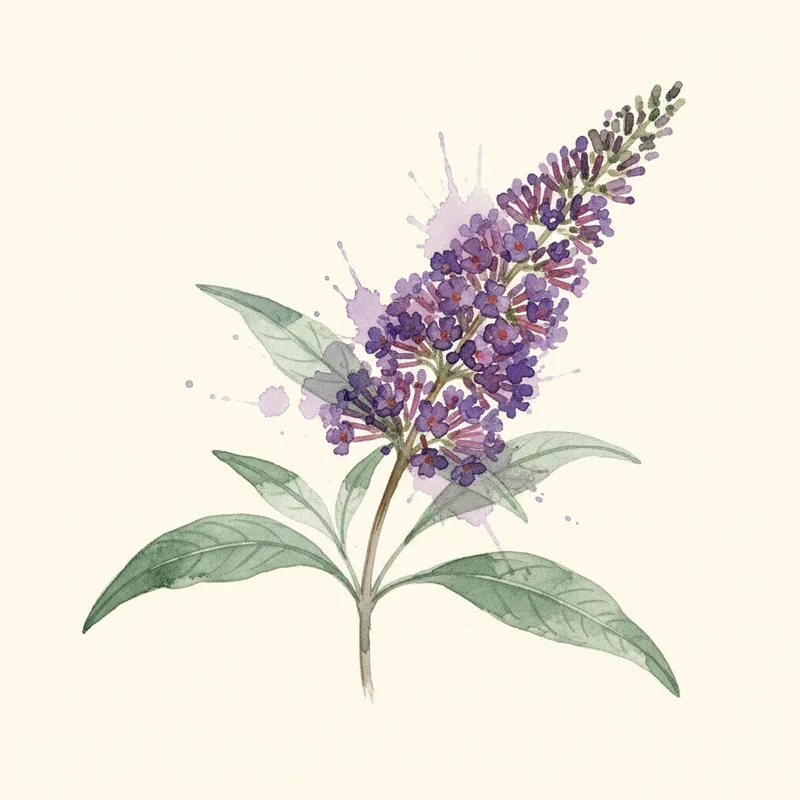
Long, arching flower wands that butterflies absolutely lose their minds over.
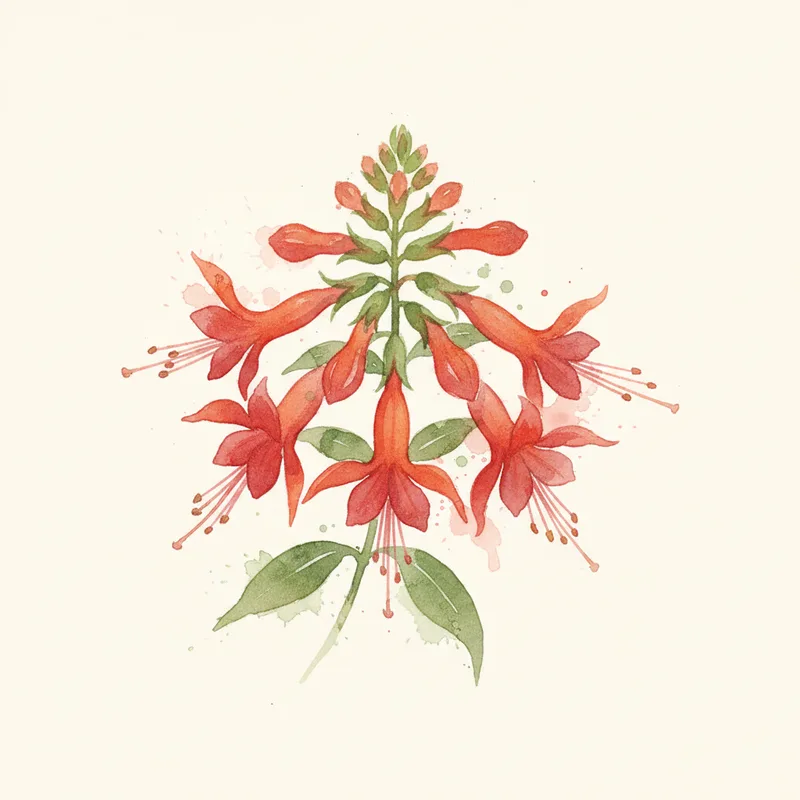
Low mounds of gray foliage are covered in tubular red-orange flowers in late summer.
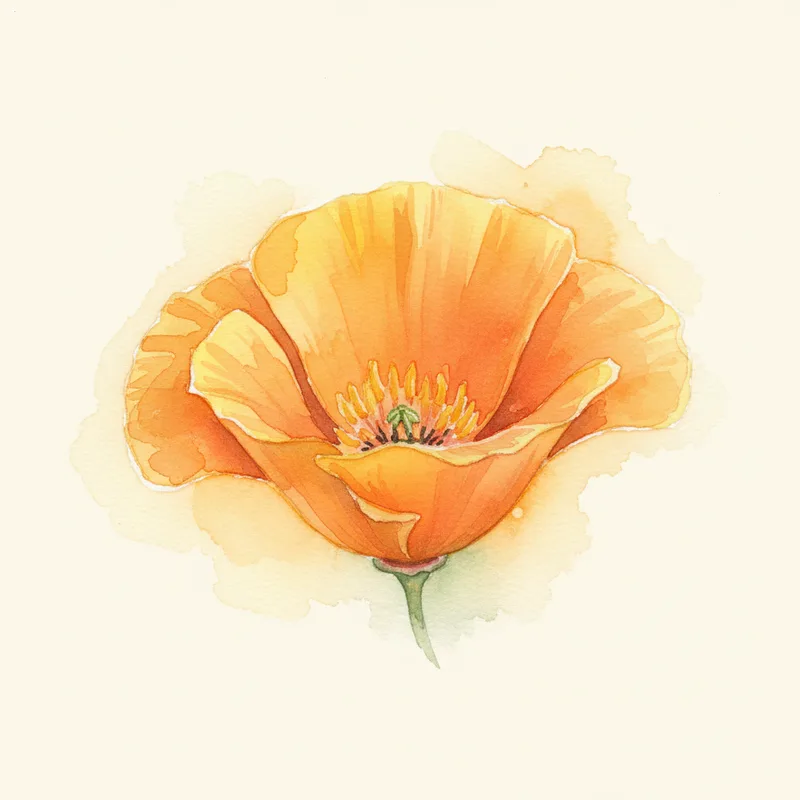
Golden cups that carpet hillsides across the state. Closes at night and on cloudy days.
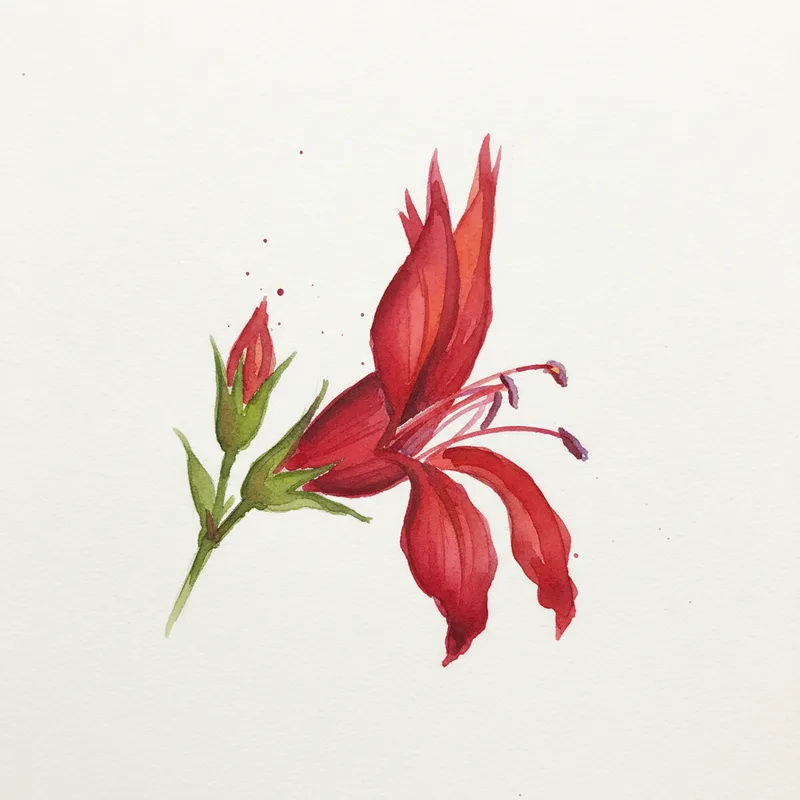
Screaming scarlet spikes. The most vivid red in the native plant world.
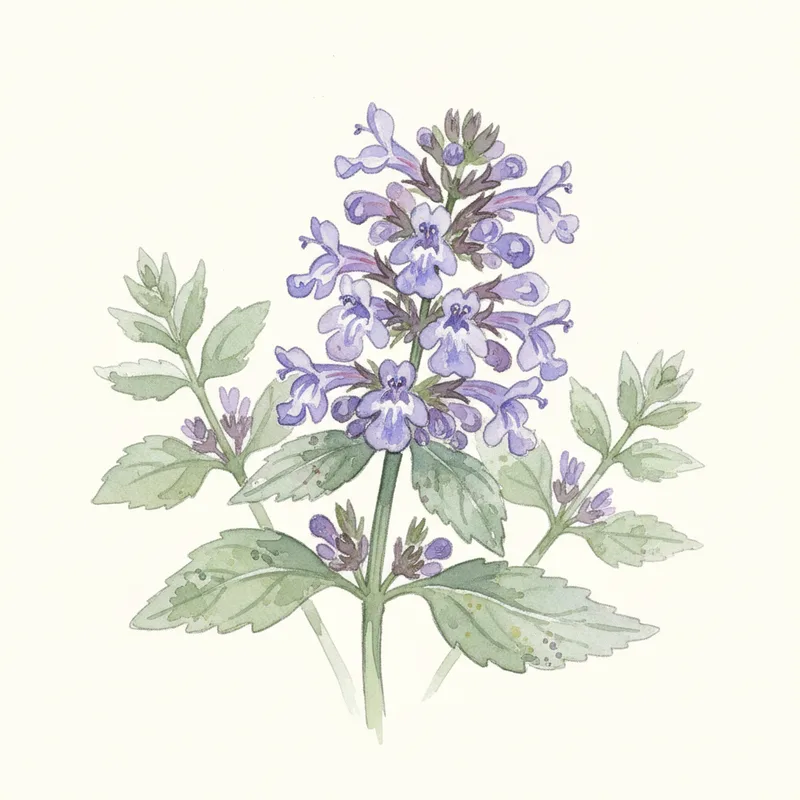
Tidy, dome-shaped habit that never flops open. Stays compact without shearing.
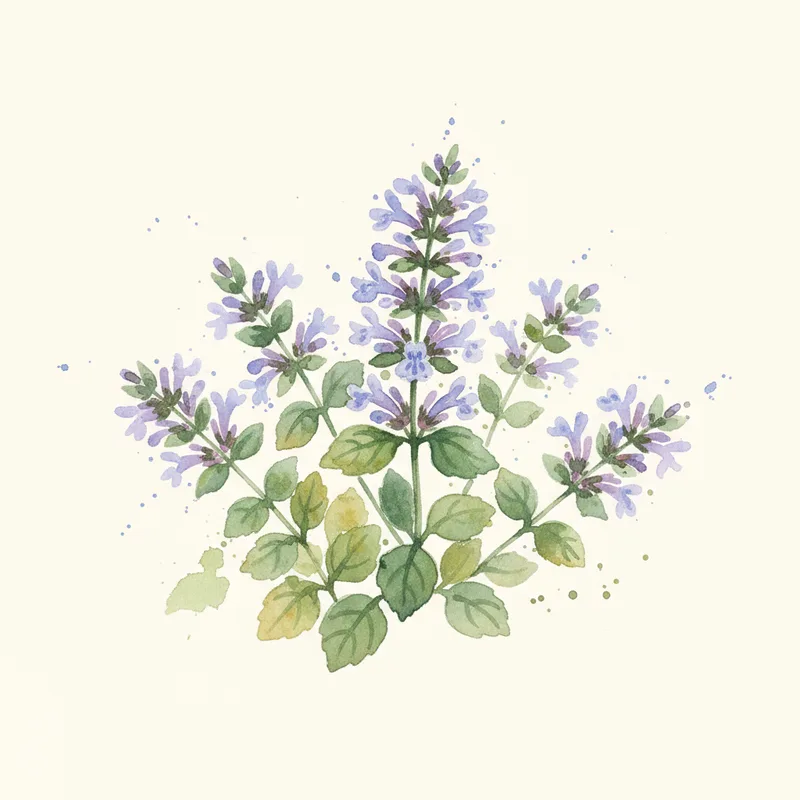
Billowy lavender-blue haze that blooms all season if you shear it back.
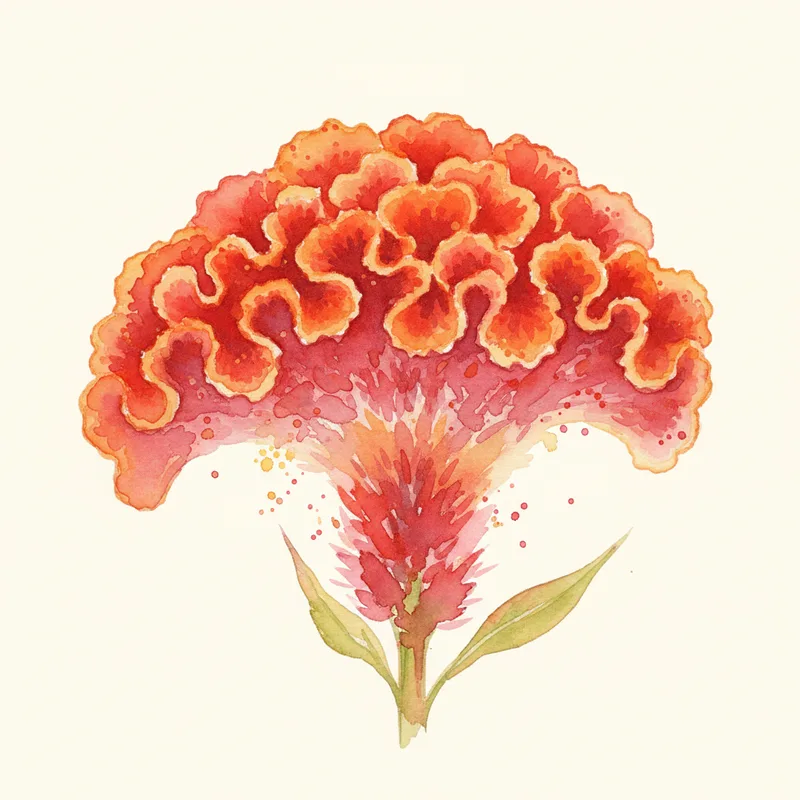
Flame-shaped or crested flowers in electric colors that dry beautifully. Heat lovers that thrive in summer.
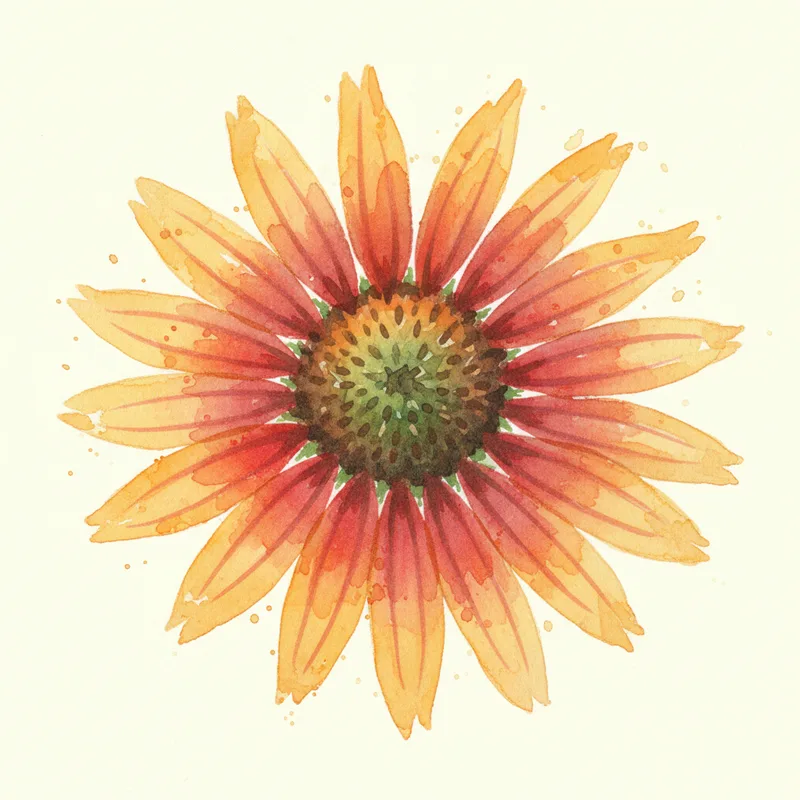
A rainbow mix of coneflower colors from a single seed strain. Every plant is a surprise.
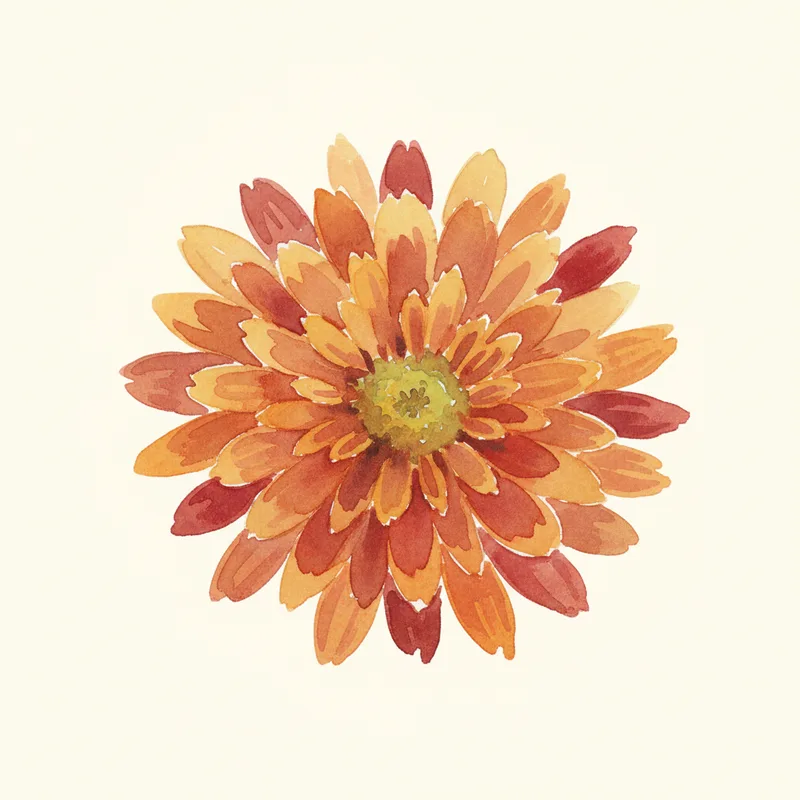
The fall icon. Mounds of color when everything else is fading.
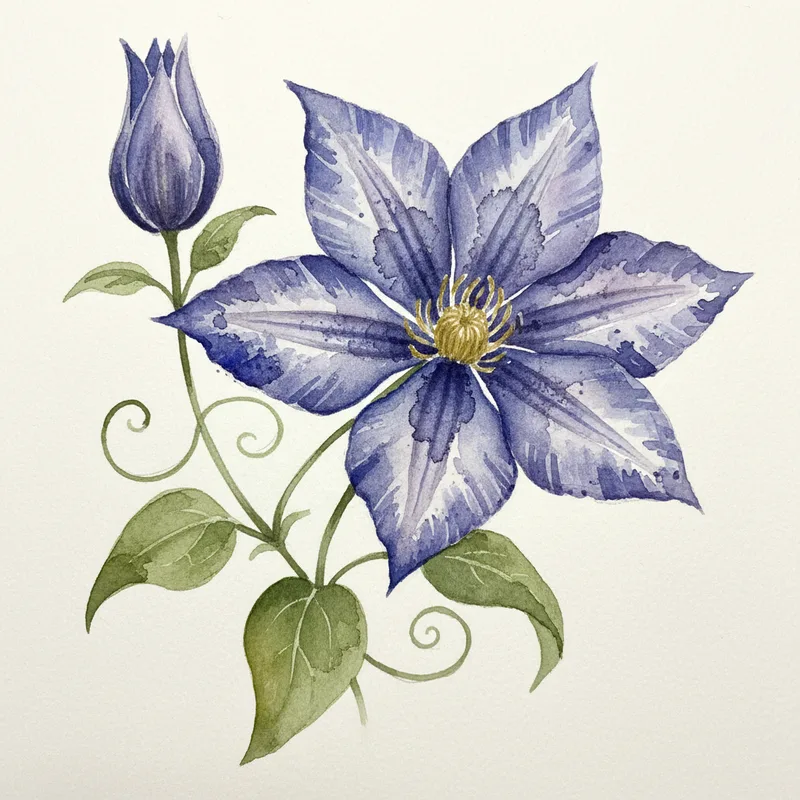
The queen of flowering vines. Over 300 species, something for every spot.
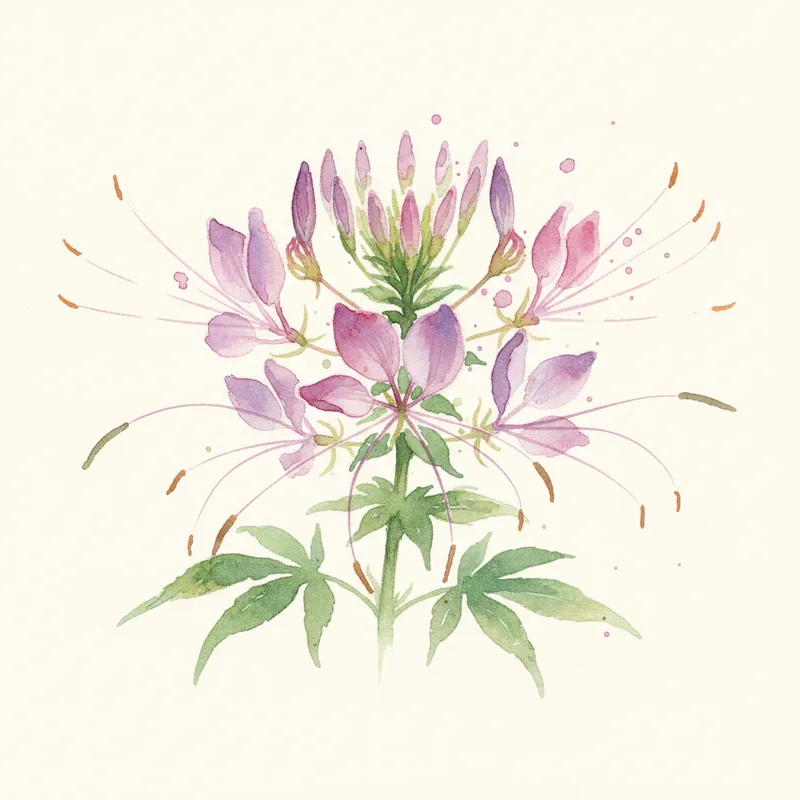
Spider-flower with whisker-like stamens and airy blooms. Tall, dramatic annual that self-sows freely.
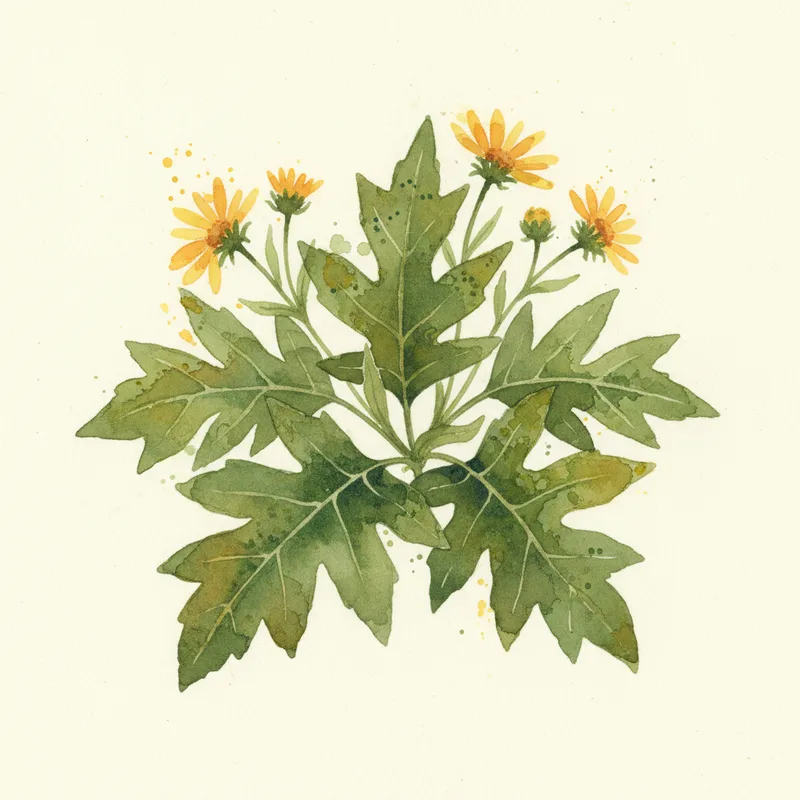
Tall stems with large yellow daisies tower over deeply cut basal leaves that align north-south.
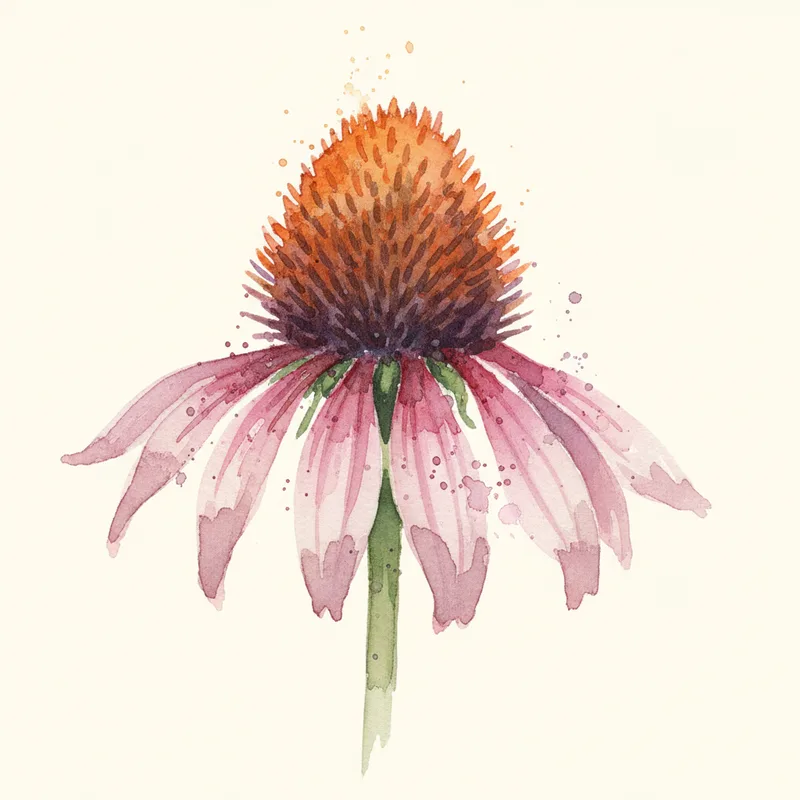
Tough prairie native with long bloom season and medicinal history.
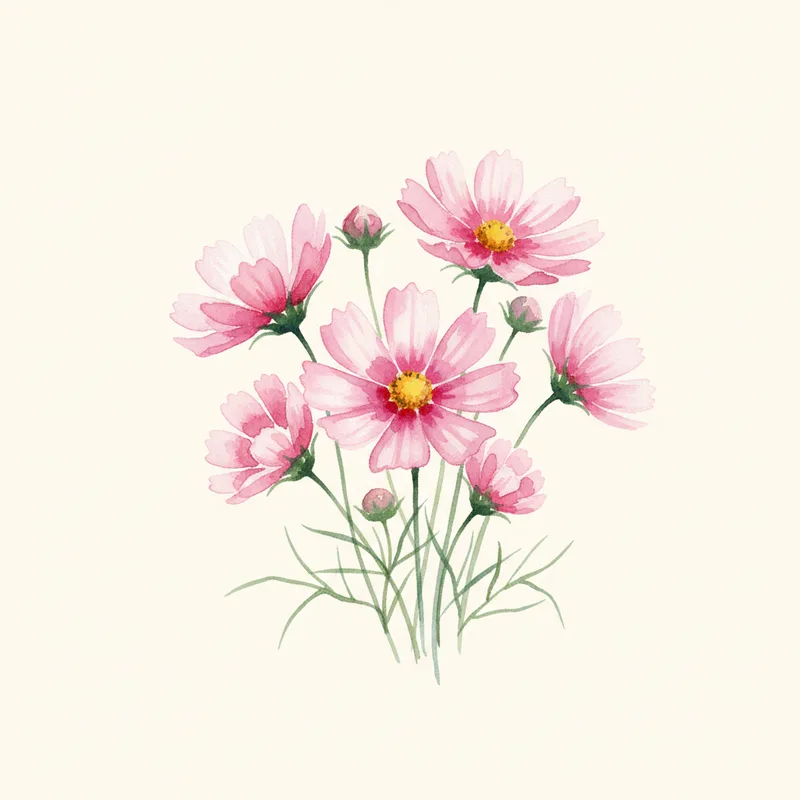
Airy, dancing flowers on thread-thin stems. Effortless cottage garden charm.
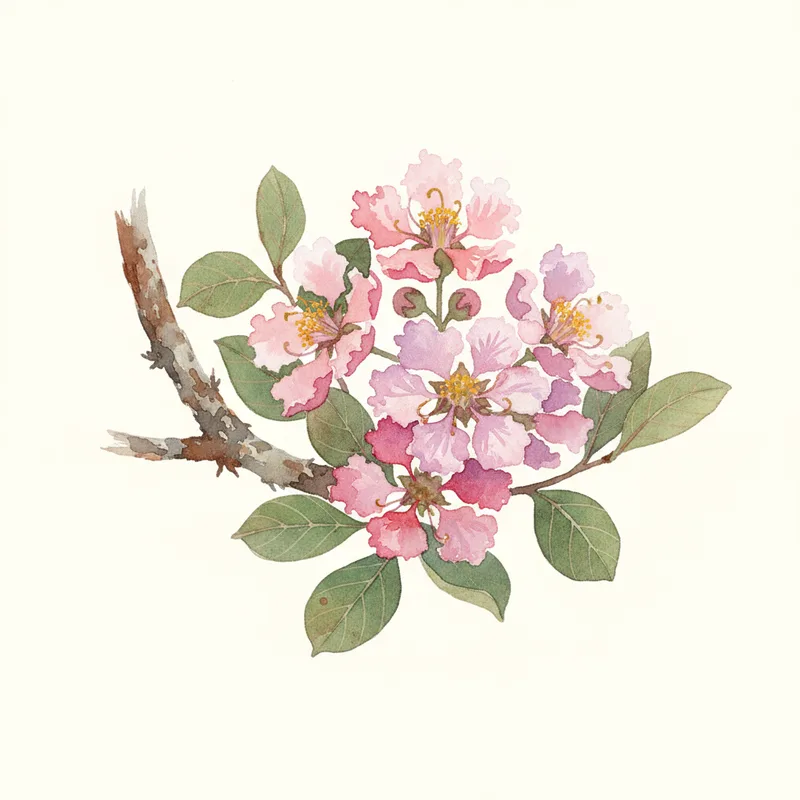
The tree of the South. Months of crinkled blooms and gorgeous peeling bark.
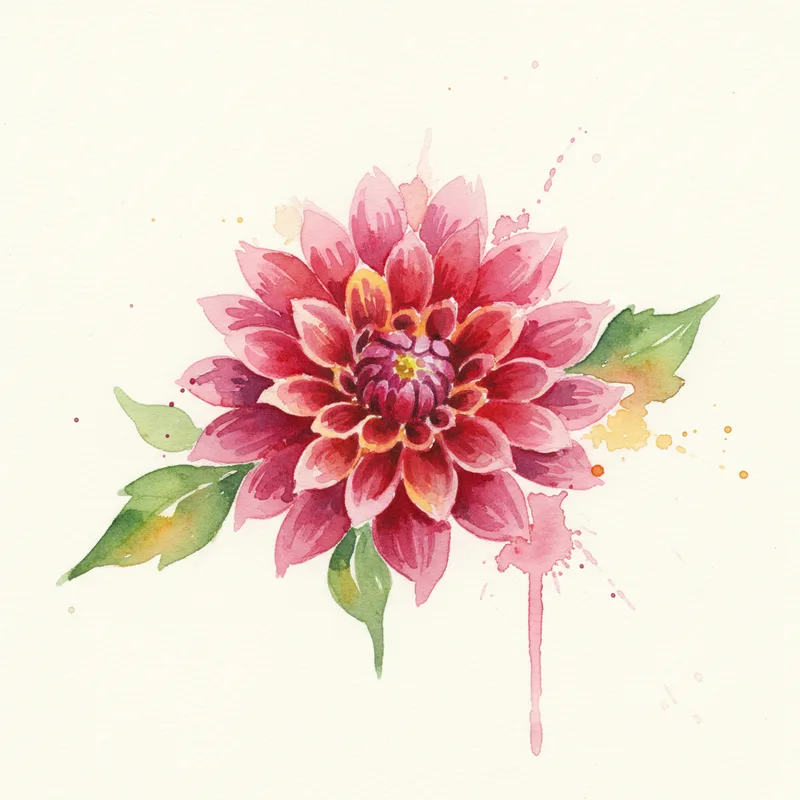
Endless forms from dinner-plate to pompom. The obsession of flower farmers.
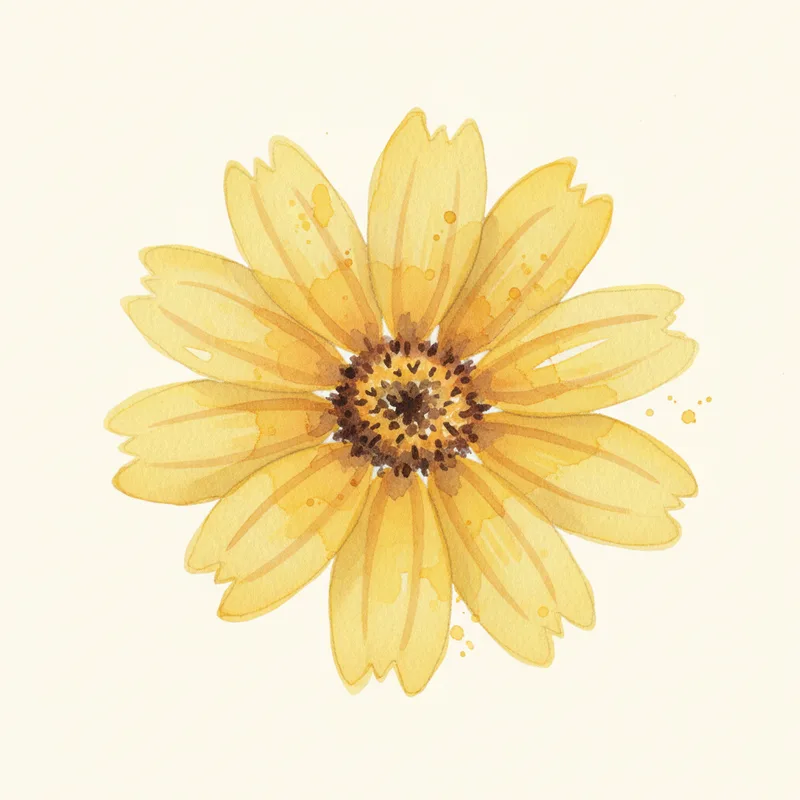
Cheerful desert wildflower that blooms almost year-round in warm climates. Thrives on neglect.
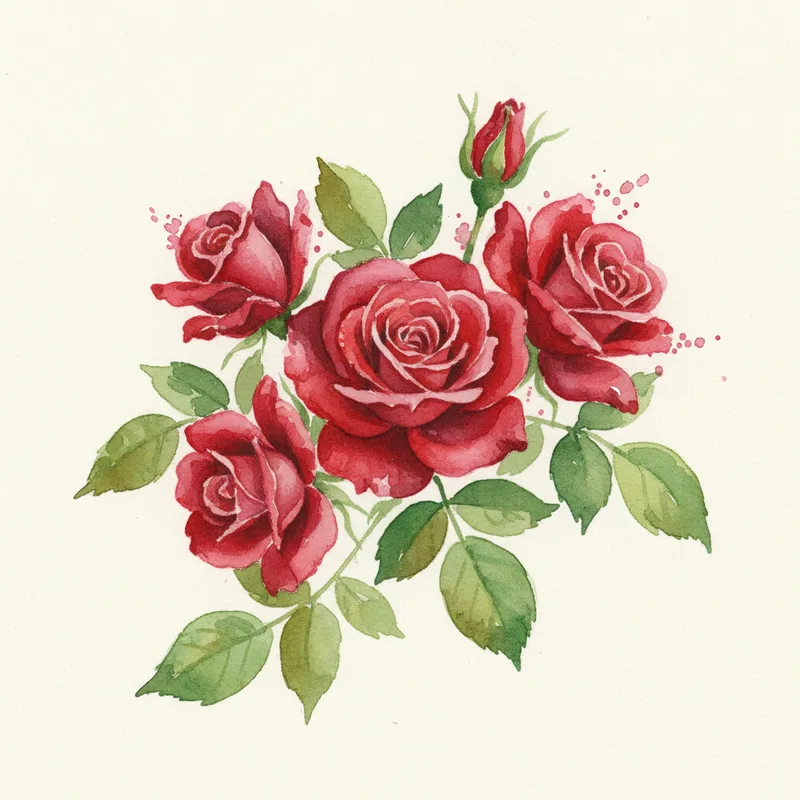
Deep velvety red climber with classic rose fragrance. Repeats reliably on a strong, vigorous plant.
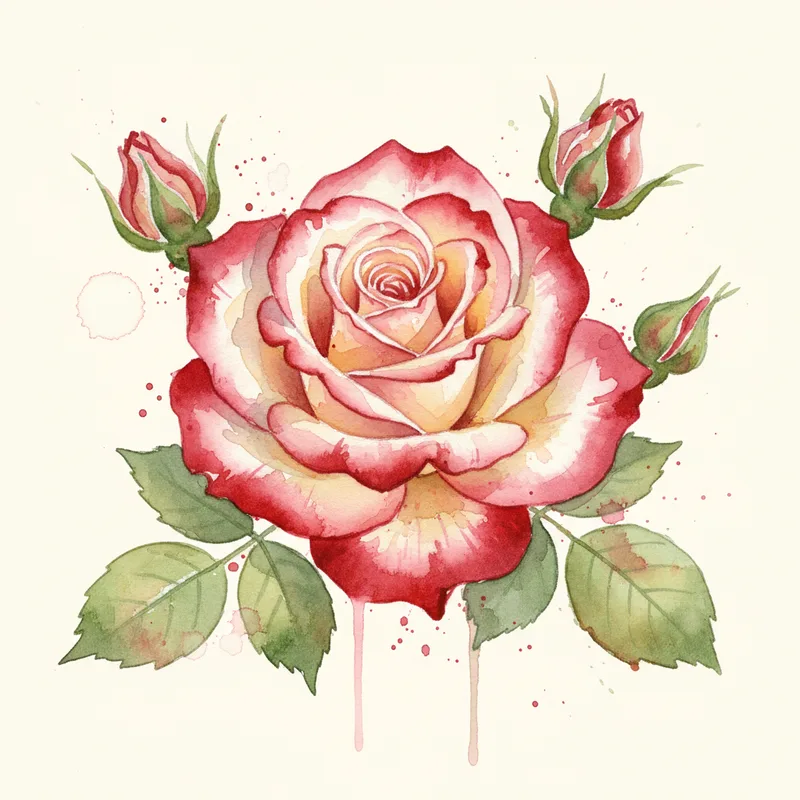
Creamy white petals blush to strawberry red at the edges. Knockout fragrance matches the looks.
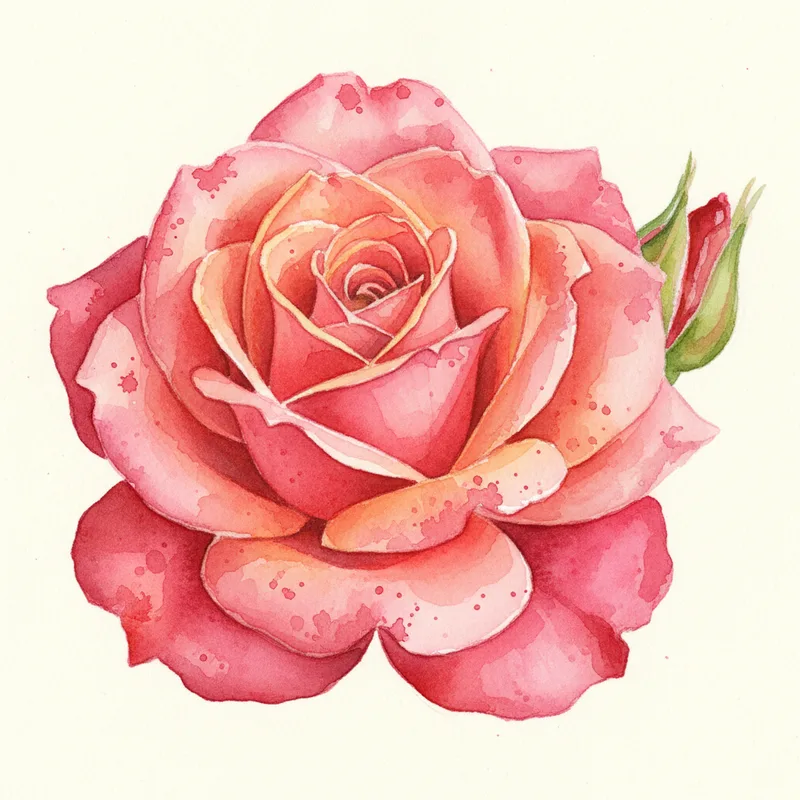
Fuller, double-petaled version of the Knock Out. Same bulletproof performance with more petal count.
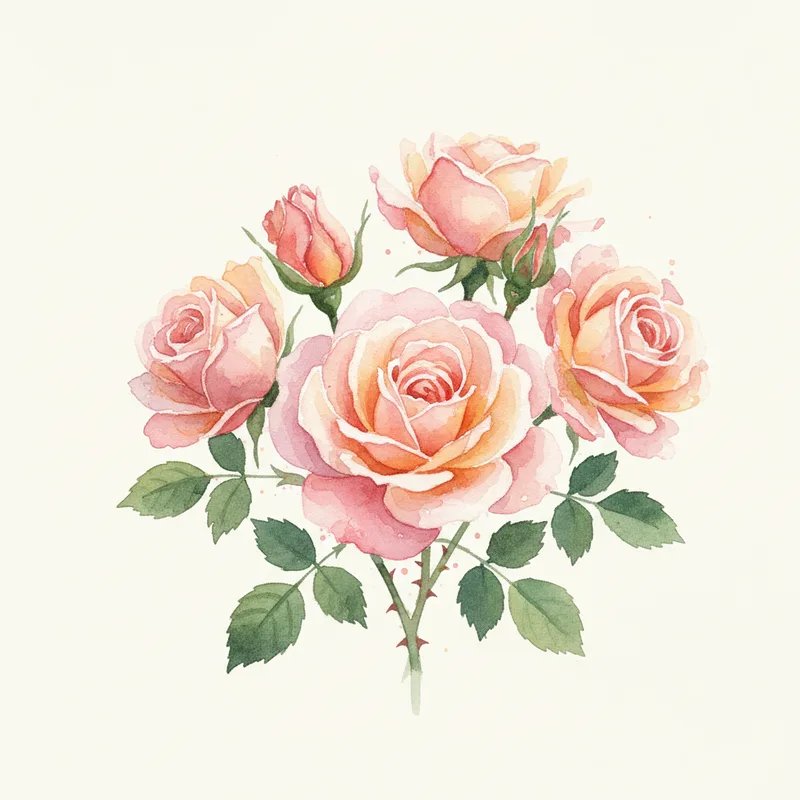
Groundcover rose that stays low and spreads wide. Tough, disease-resistant, and constantly in bloom.
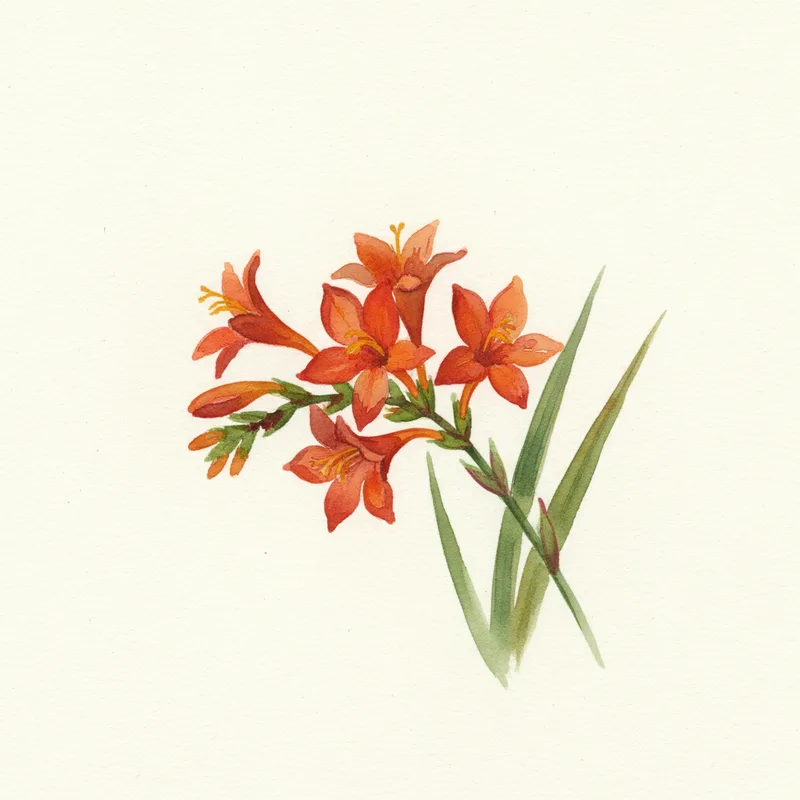
Bold orange blooms with red throats appear on graceful arching stems in late summer.
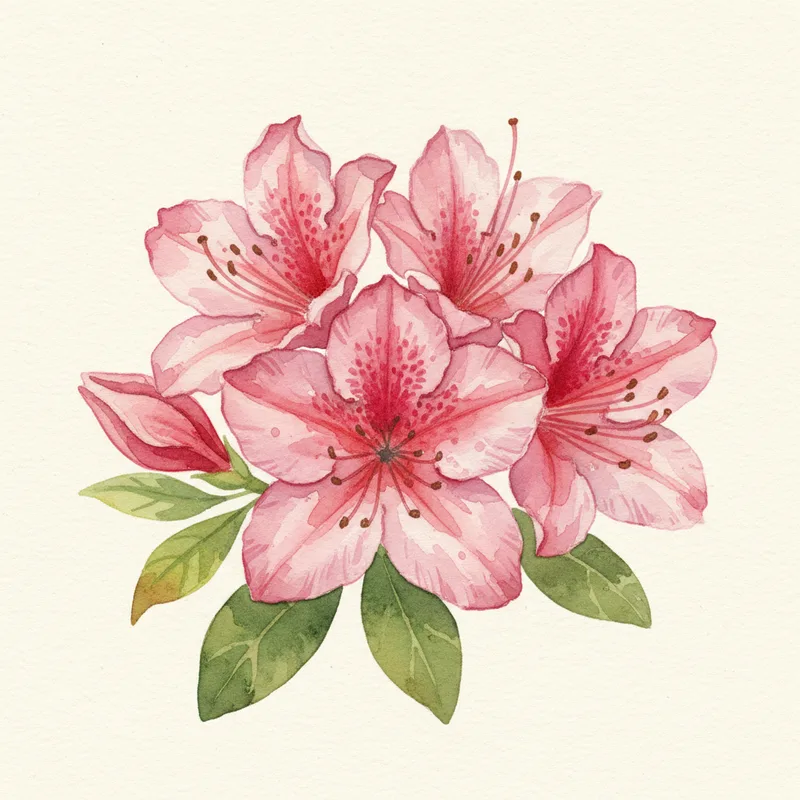
Spring blooms plus a full fall encore. Multiple color options in the Encore series.
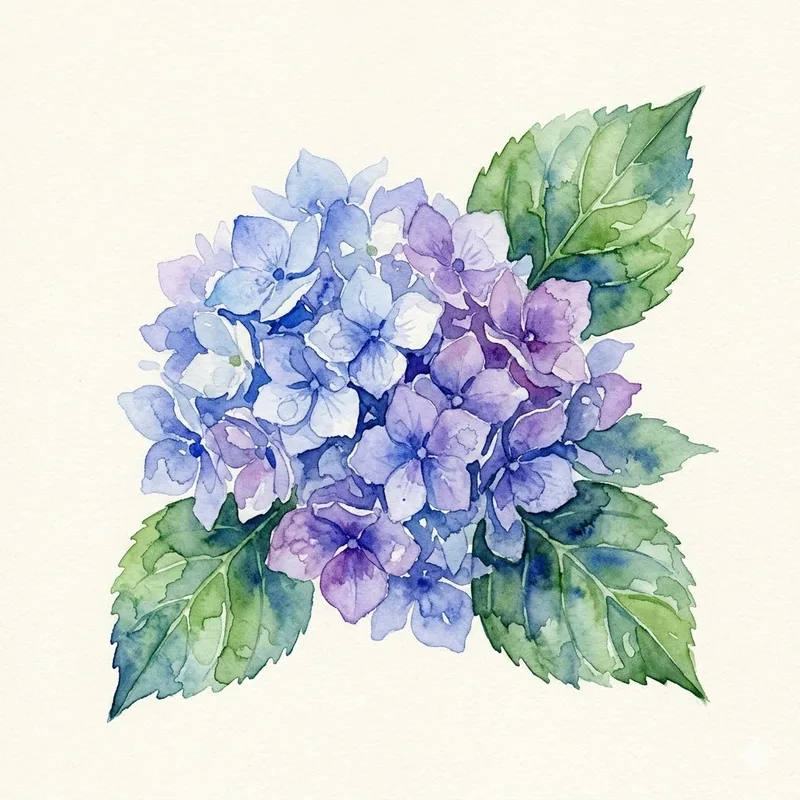
Reblooms on old and new wood, so you get flowers even after a harsh winter. Color shifts with soil pH.
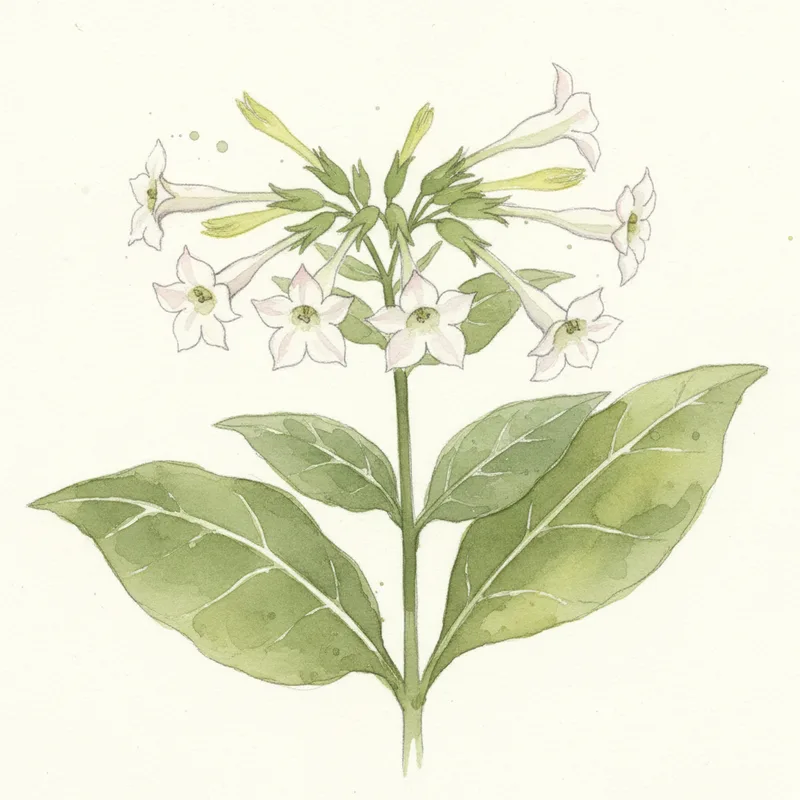
Tubular flowers that release sweet fragrance at dusk. A cottage garden classic that attracts moths and hummingbirds.
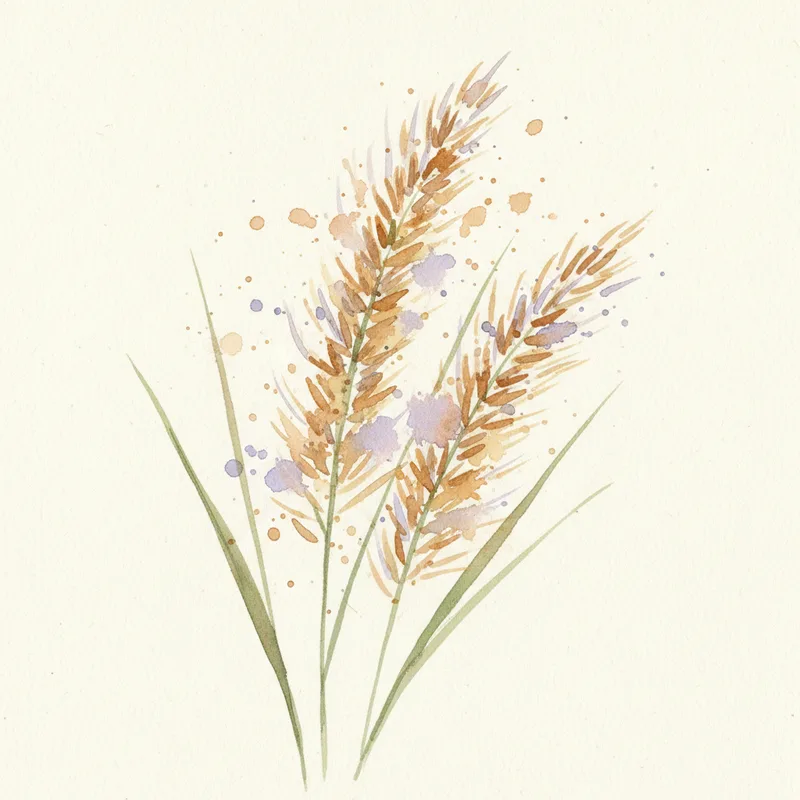
Arching, bottlebrush plumes that catch the light. Movement in the garden.
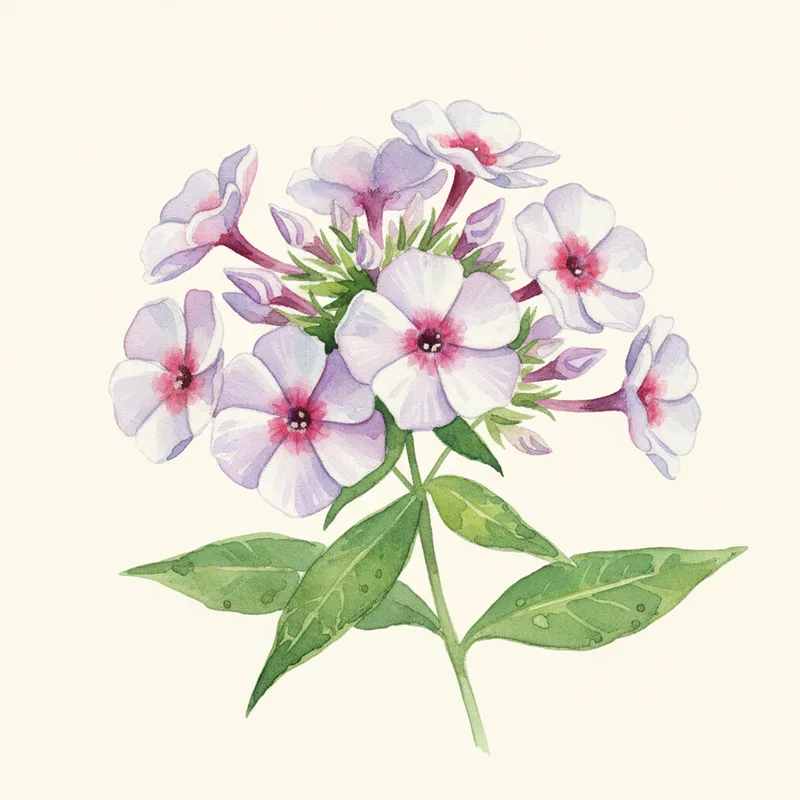
Billowing clusters of fragrant summer color. A butterfly magnet.
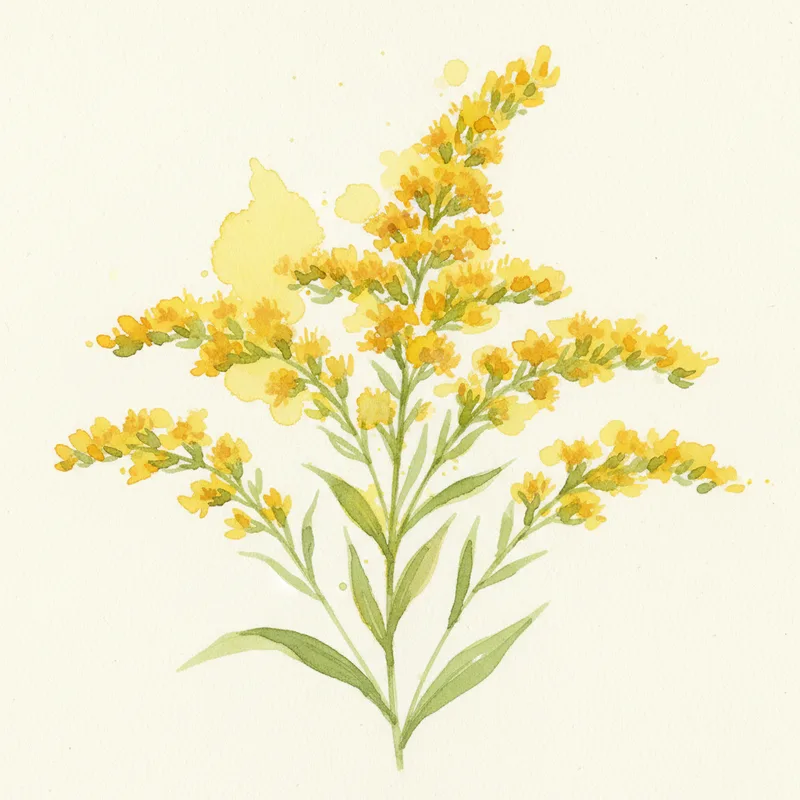
Wrongly blamed for allergies. A vital late-season pollinator magnet.
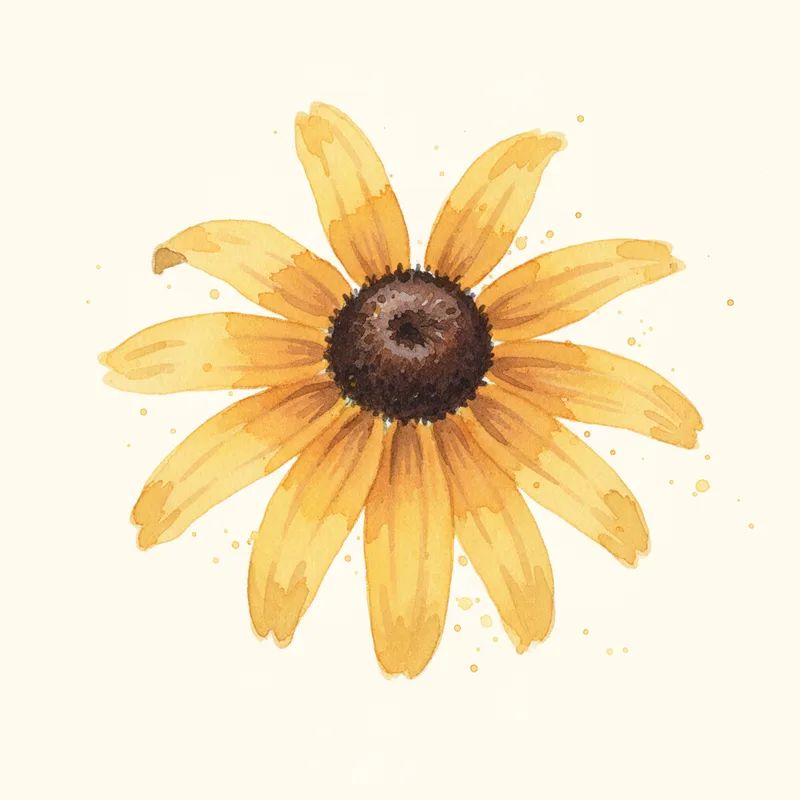
The gold standard rudbeckia. Uniform, floriferous, and utterly reliable in any soil.
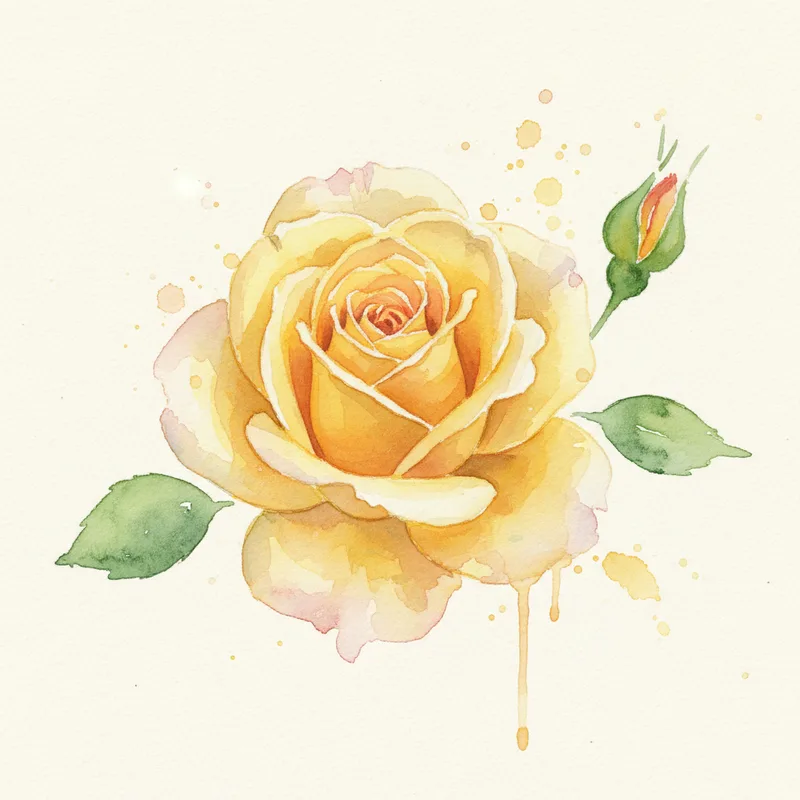
Rich golden-yellow cups with an intense tea rose fragrance. David Austin's most famous creation.
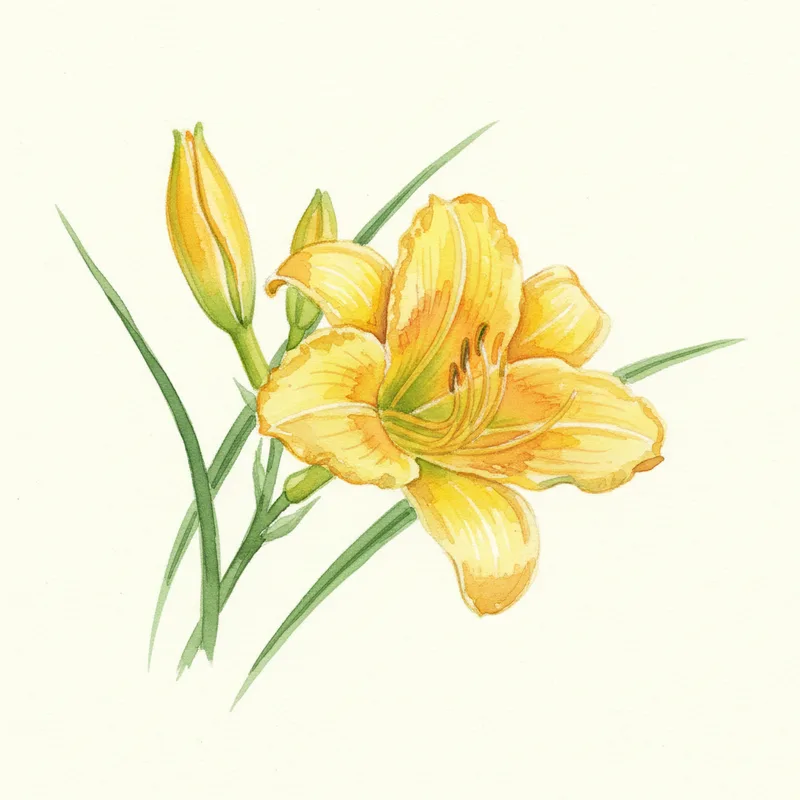
Lemon-yellow rebloomer with light fragrance. A bit taller than Stella with softer color.
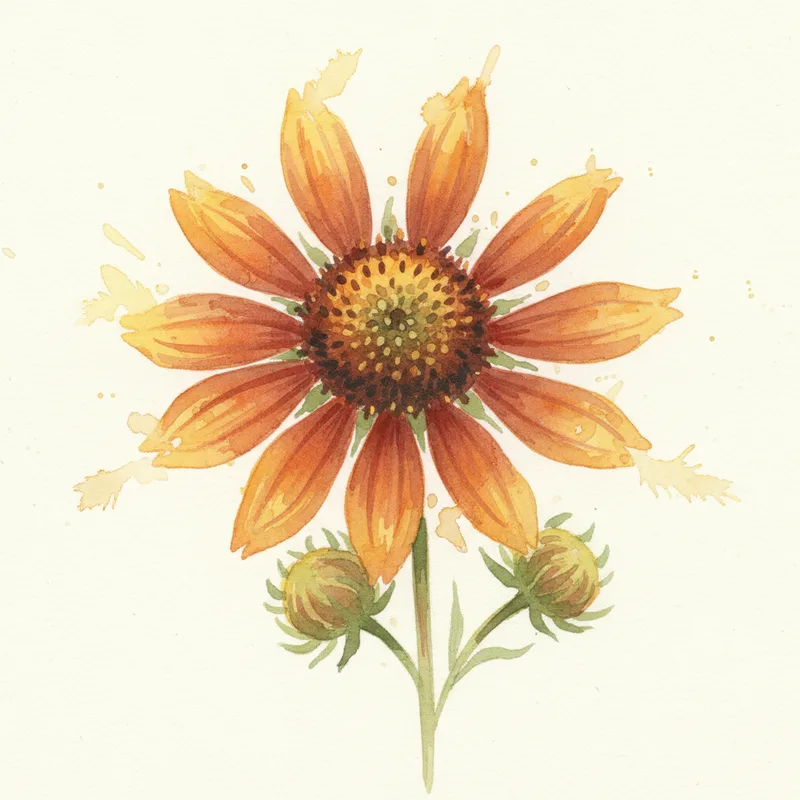
Warm-toned daisy-like flowers with raised centers bloom as summer turns to fall. Loves moist soil.
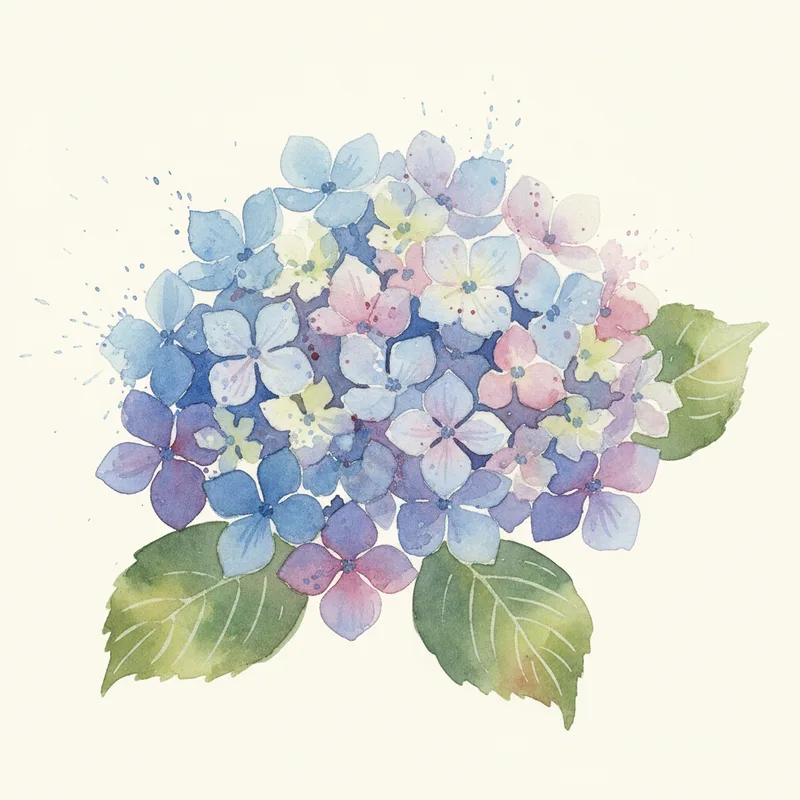
Massive mophead blooms that shift color with soil pH. Showstoppers.
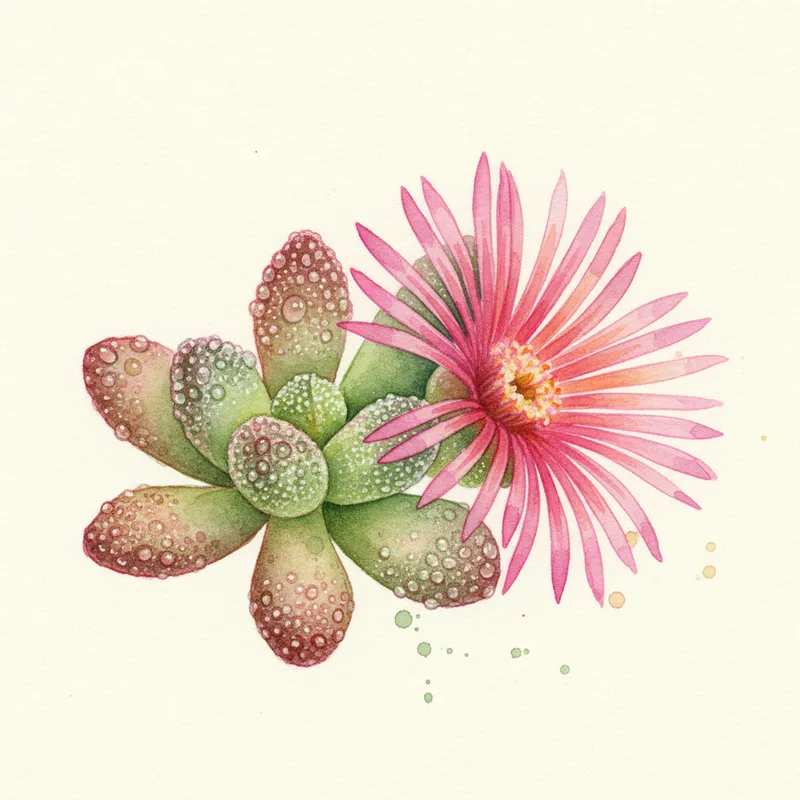
Neon-bright daisy flowers that shimmer in the sun over succulent foliage. Thrives in hot, dry rock gardens.
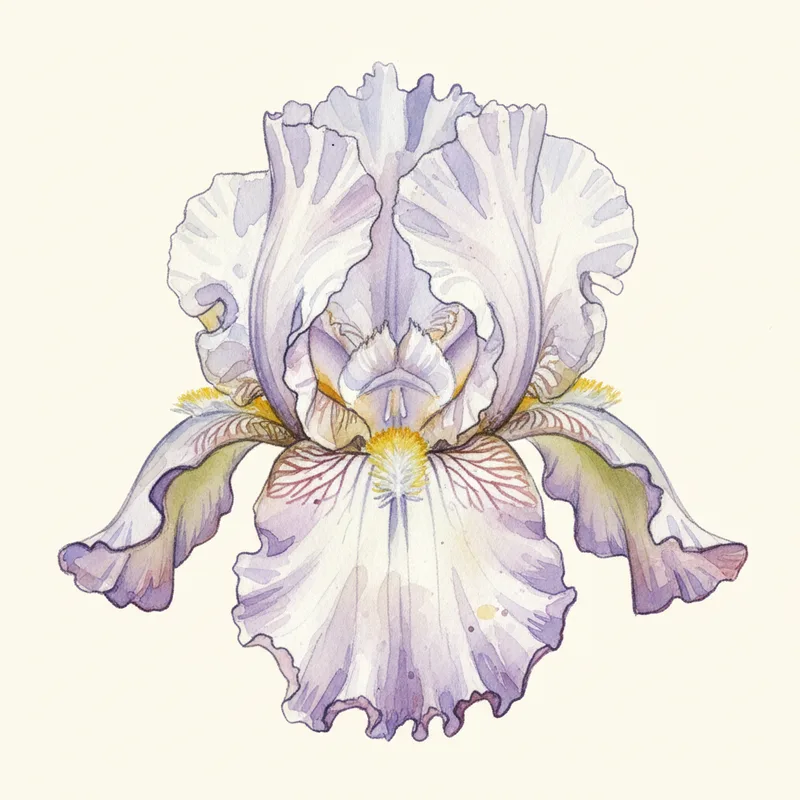
Reliable rebloomer with pure white ruffled falls. Blooms spring, then again in fall.
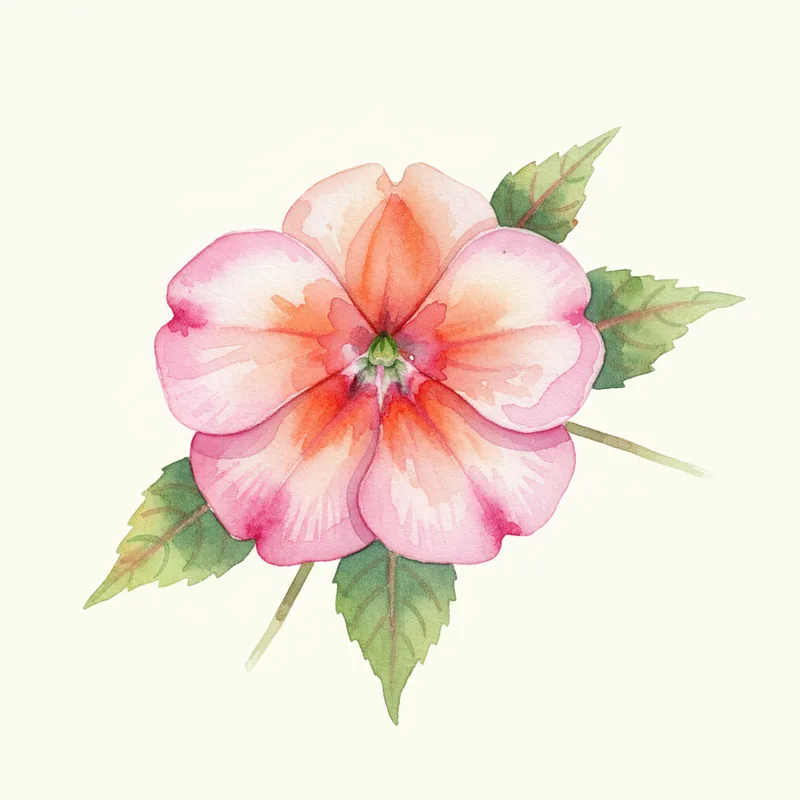
The shade annual champion. Flowers prolifically where nothing else will.
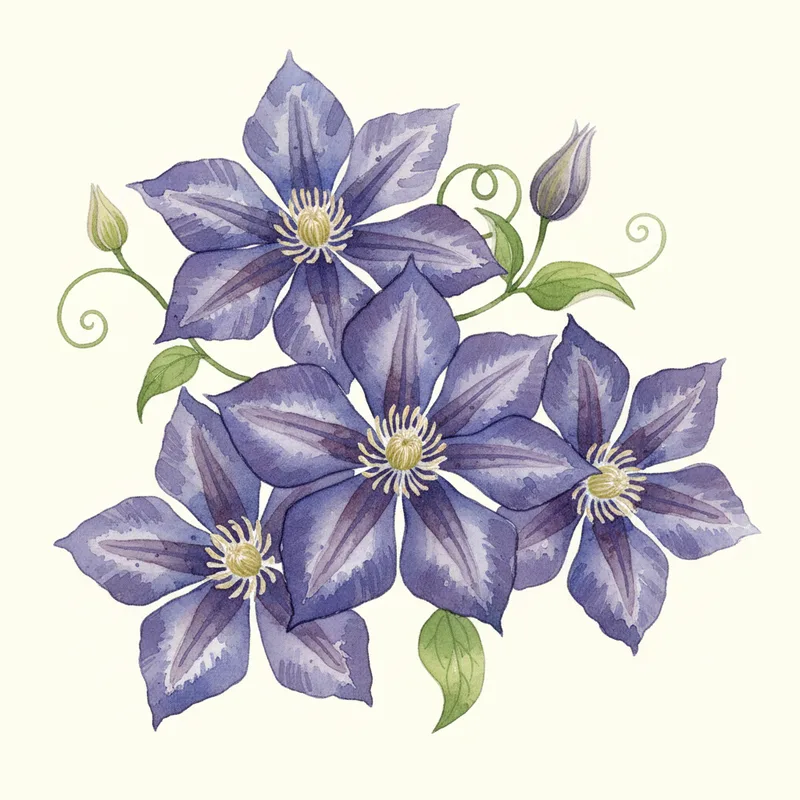
The classic large-flowered clematis since 1858. Deep violet-purple blooms cover the vine midsummer.
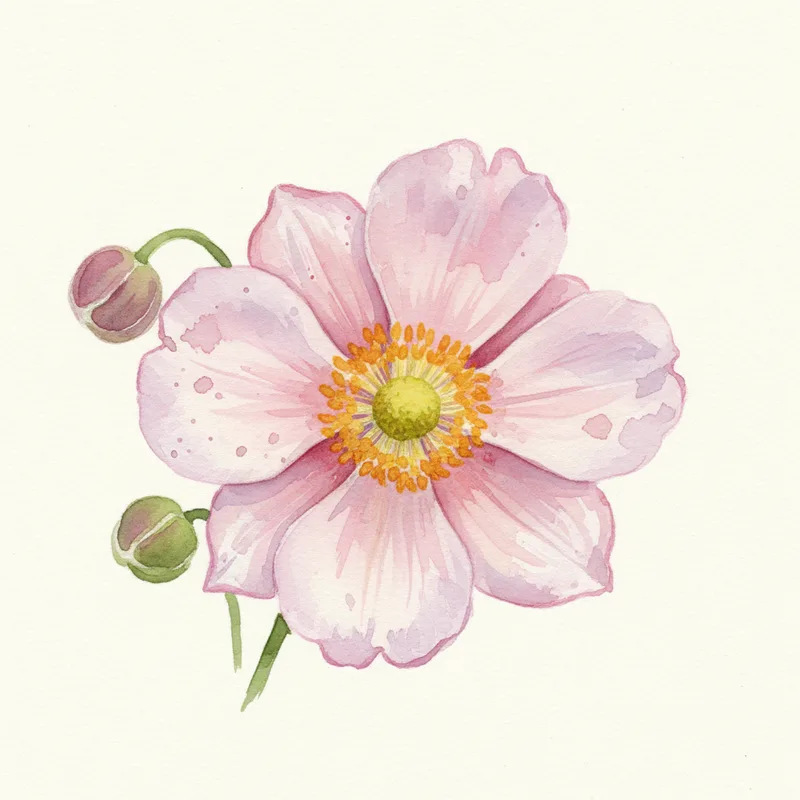
Graceful, swaying blooms on tall stems. Elegant in partial shade.
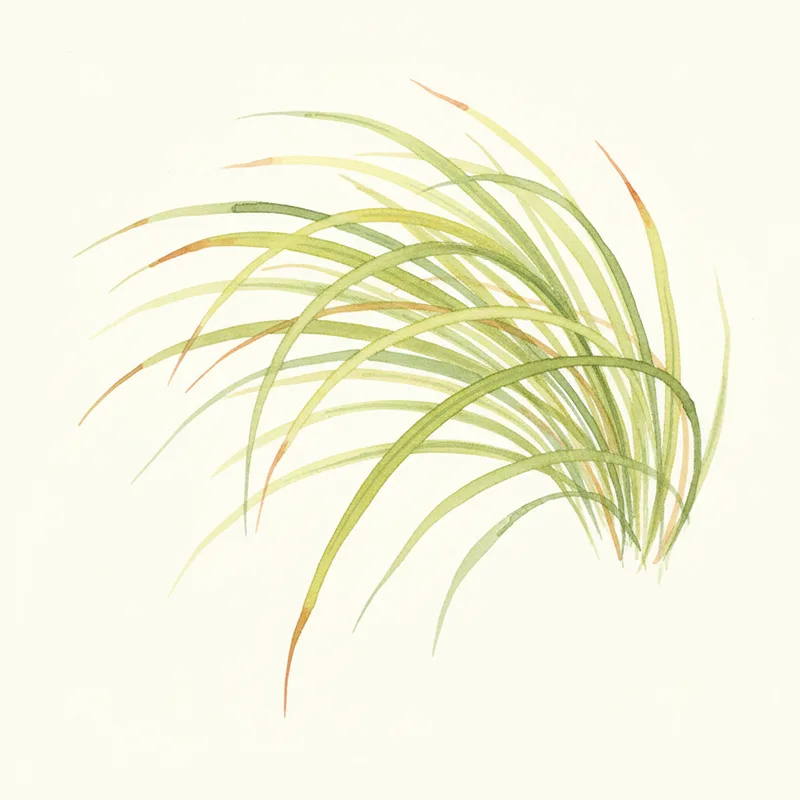
Arching variegated leaves form graceful cascades and brighten shady spots.
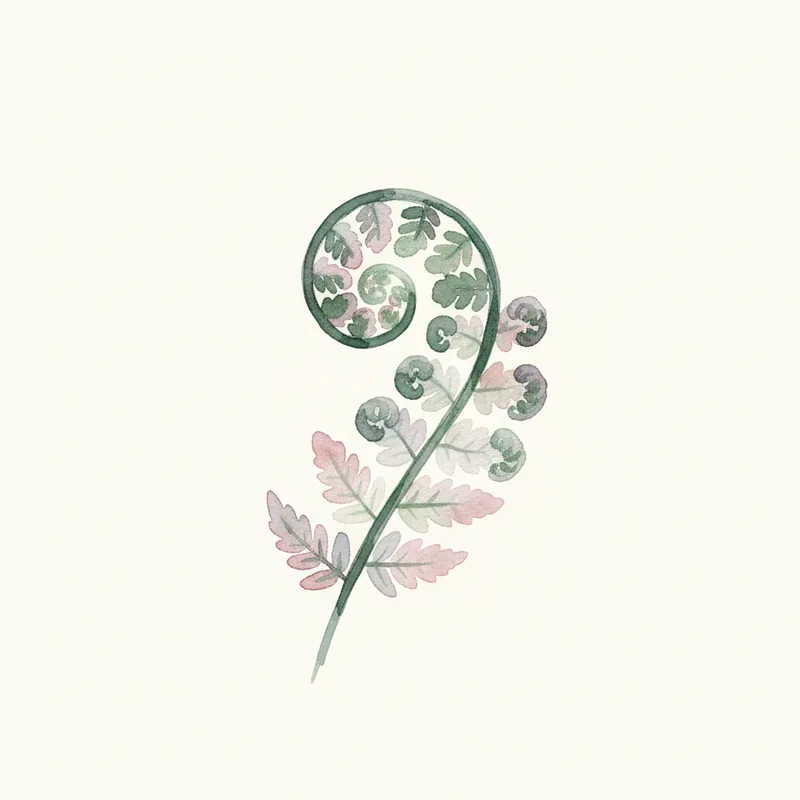
Silver and burgundy fronds unlike any other fern. Foliage plant that earns its keep on color alone.
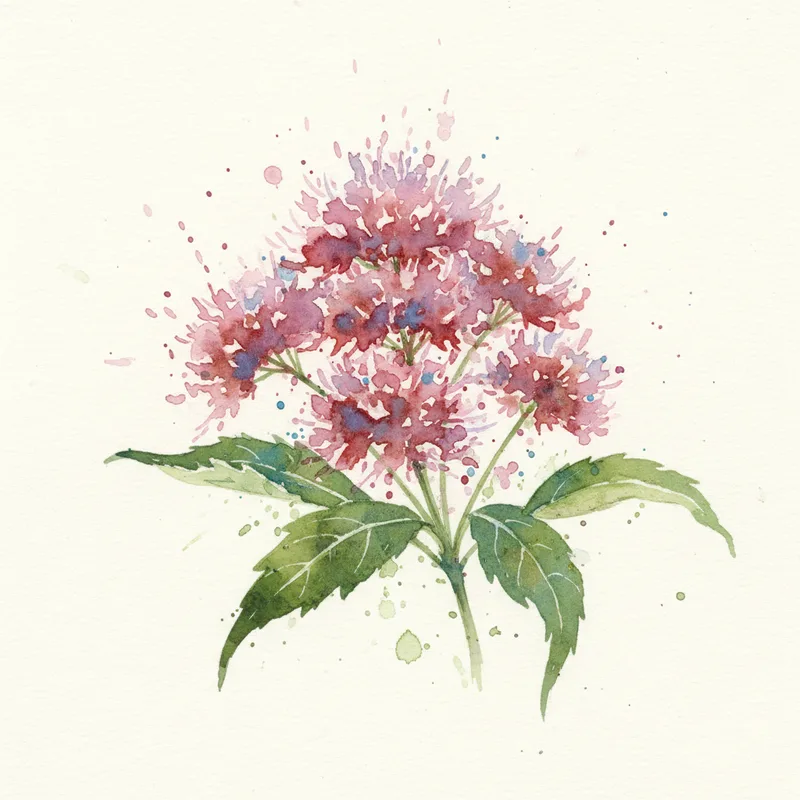
Towering native with mauve domes that butterflies swarm in late summer.
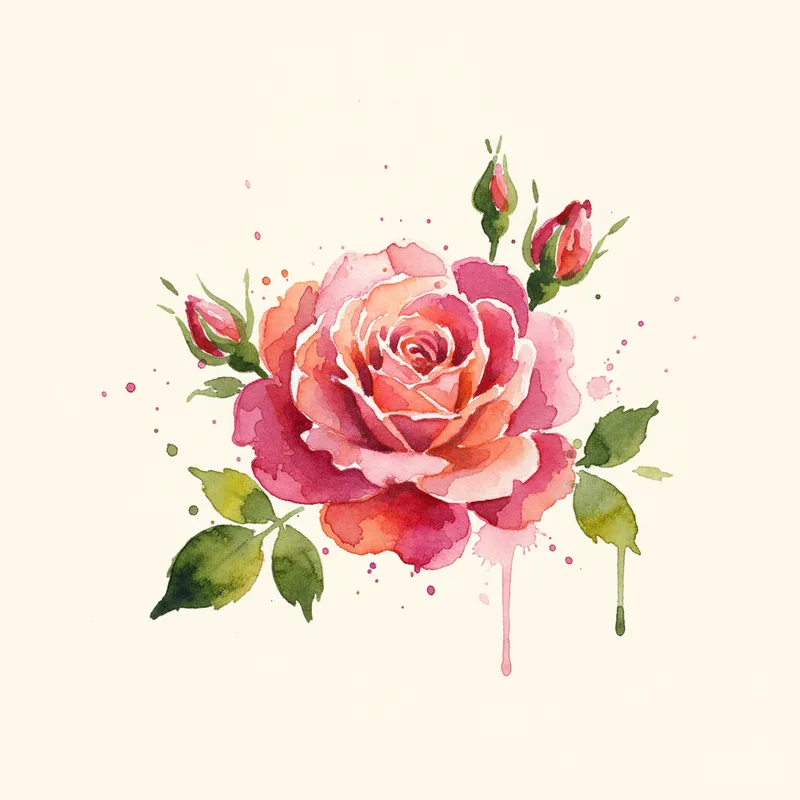
The rose that changed everything. Disease-resistant, self-cleaning, and blooms nonstop from spring to frost.
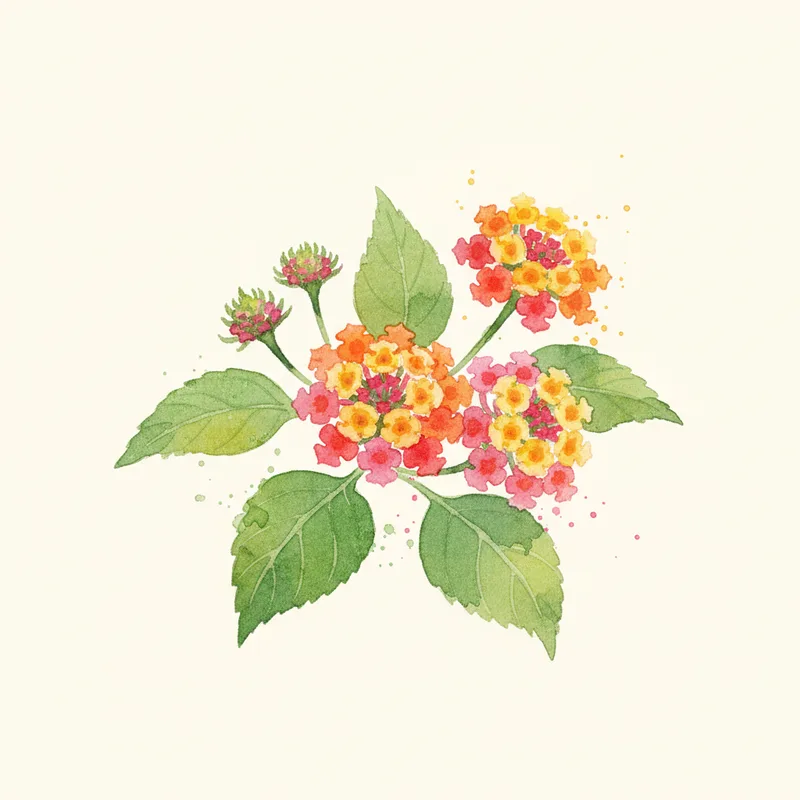
Multi-colored flower clusters that bloom relentlessly in brutal heat.
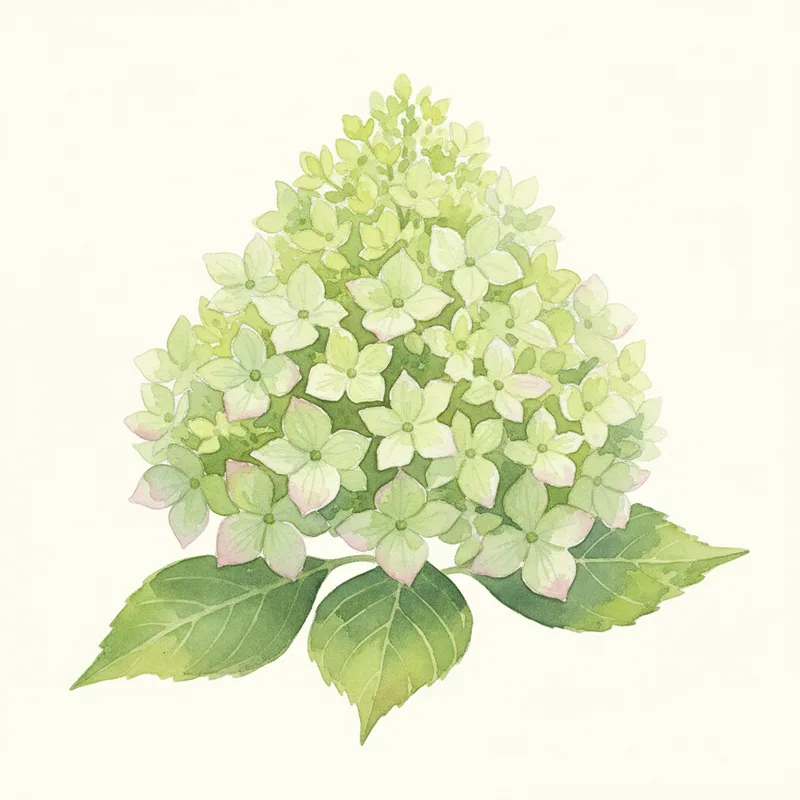
Cone-shaped blooms open chartreuse, mature to white, then blush pink in fall. Tough as nails.
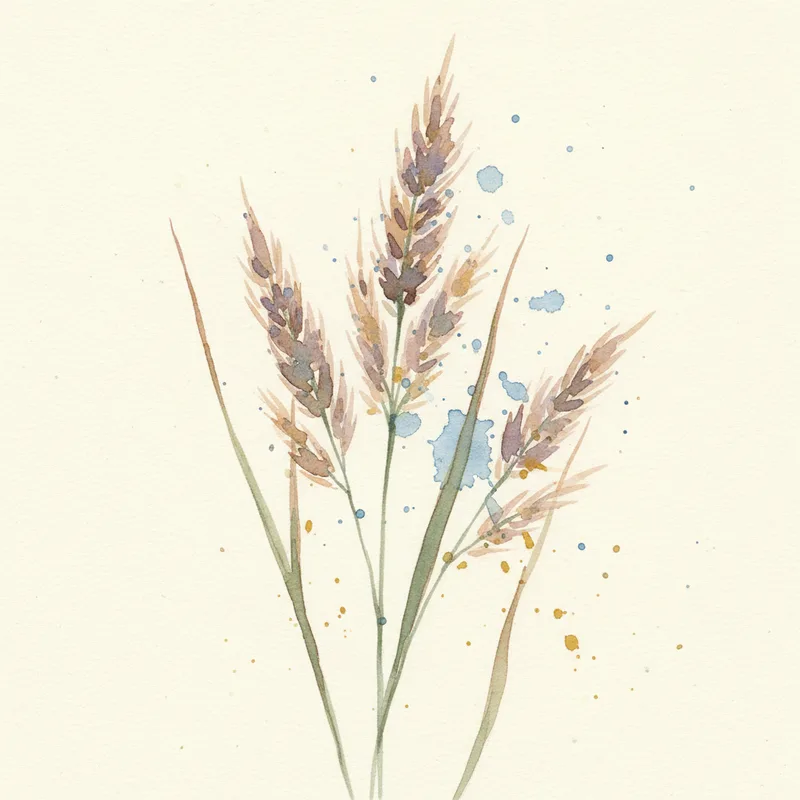
Upright clumps turn coppery orange in fall and stand well through winter.
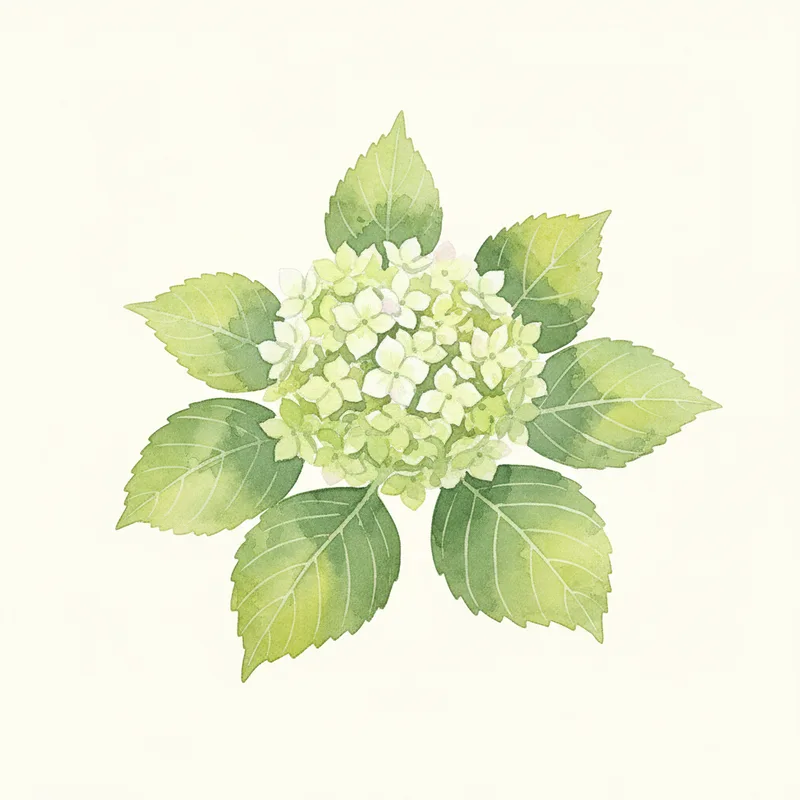
Compact Limelight. Same color show in a smaller package perfect for borders and containers.
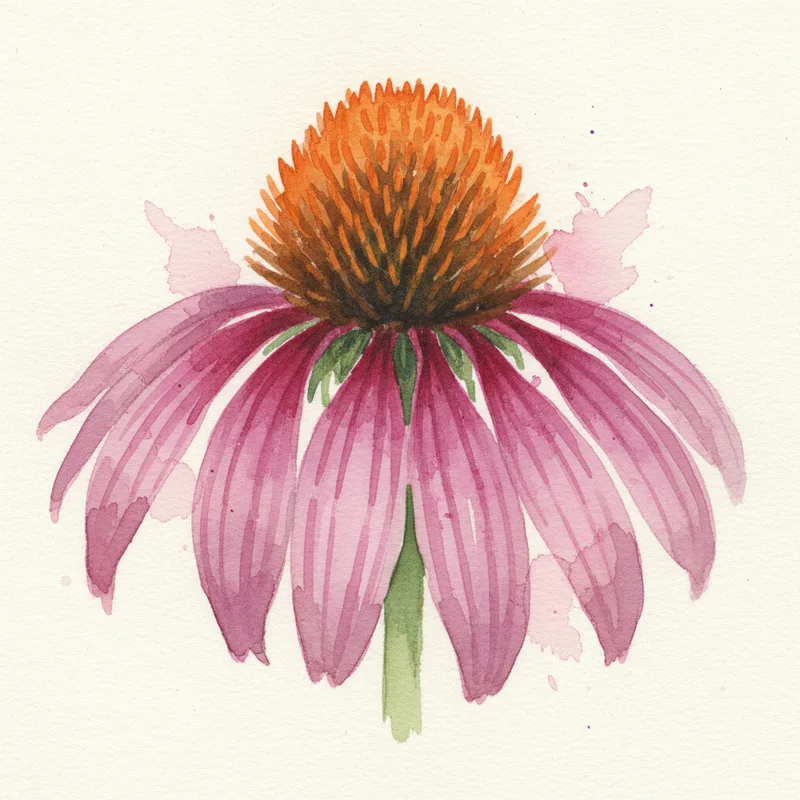
The gold standard coneflower. Flat, non-drooping petals around a bold copper cone. Perennial Plant of the Year.
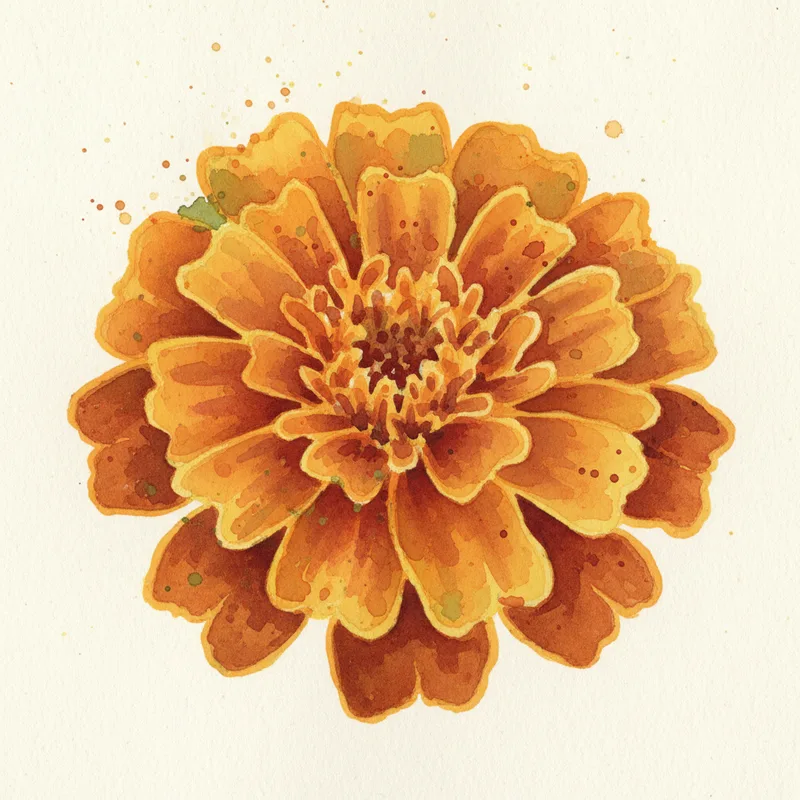
Bulletproof color all season long. The workhorse of warm-toned borders.
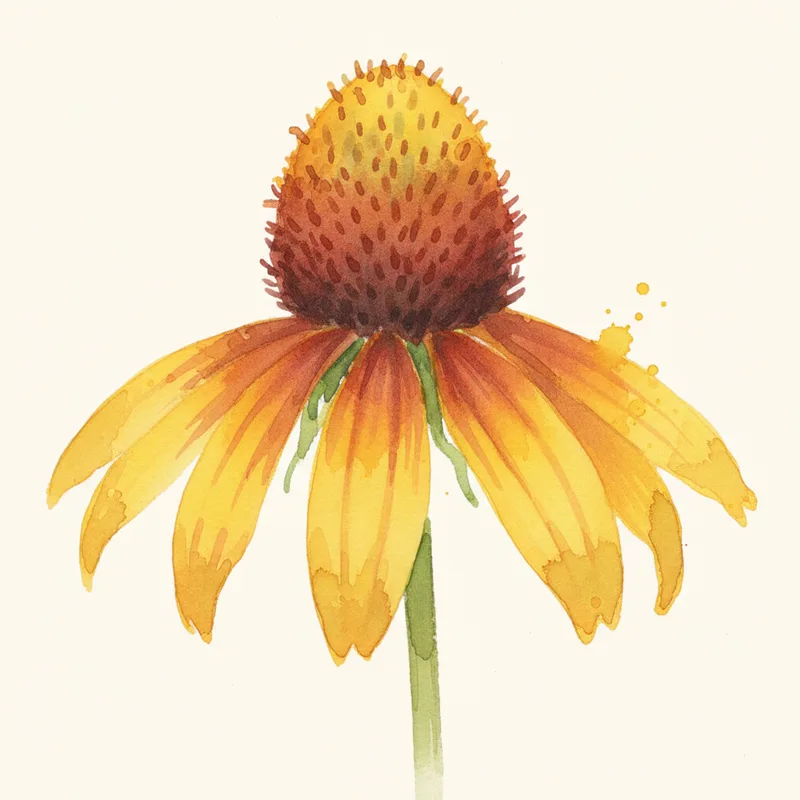
Distinctive sombrero-like flowers sway on wiry stems in summer prairies.
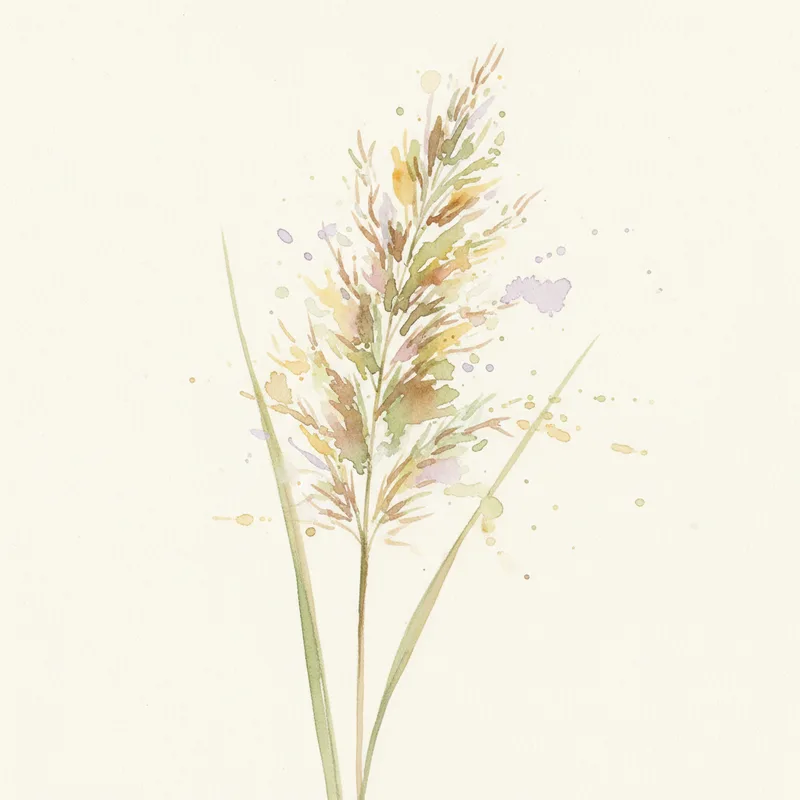
Tall, graceful plumes that persist through winter. Living architecture.
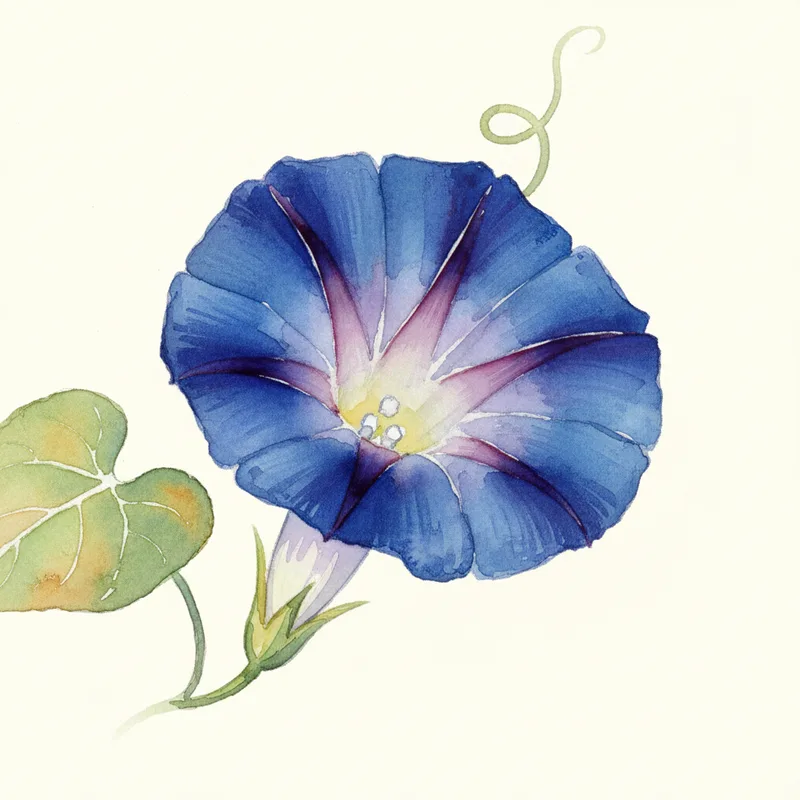
Fast-climbing vine with trumpets that open fresh every morning.
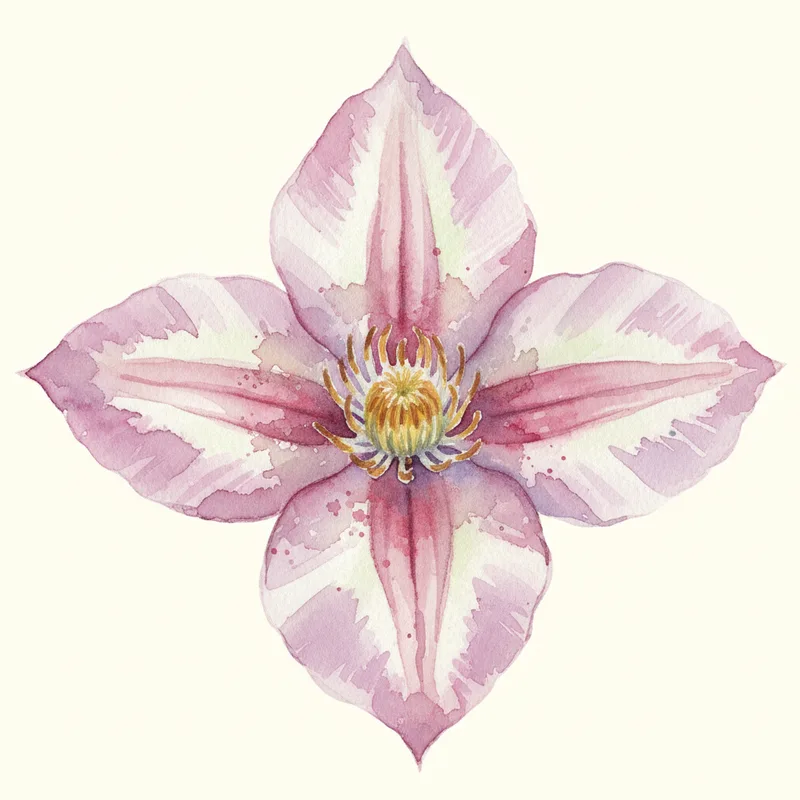
Pale pink petals with a darker pink bar down the center. Prefers some shade to prevent color fading.
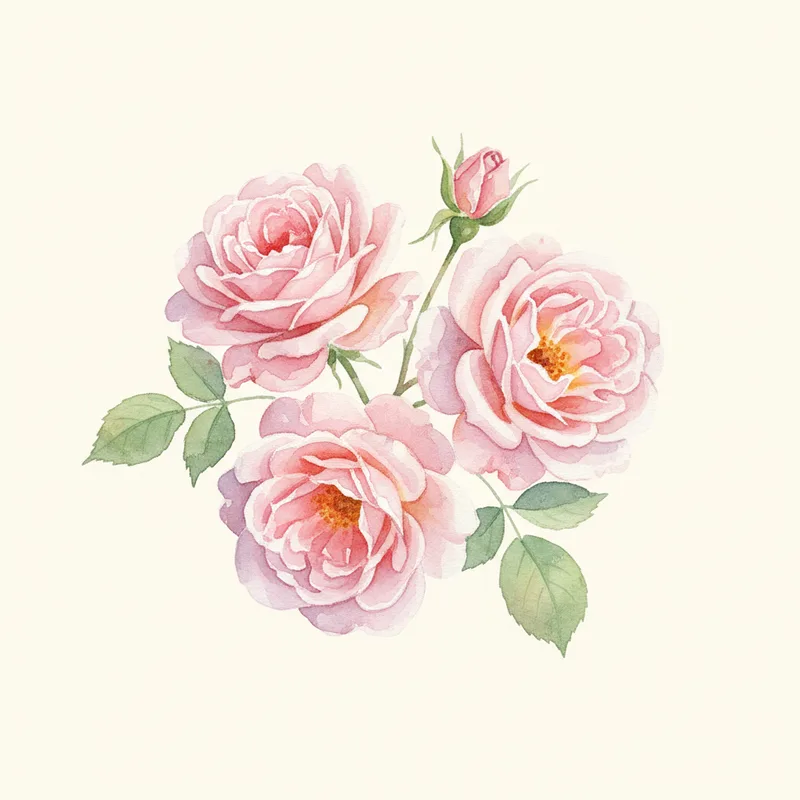
The world's most popular climbing rose. Soft blush pink, sweetly fragrant, and remarkably vigorous.
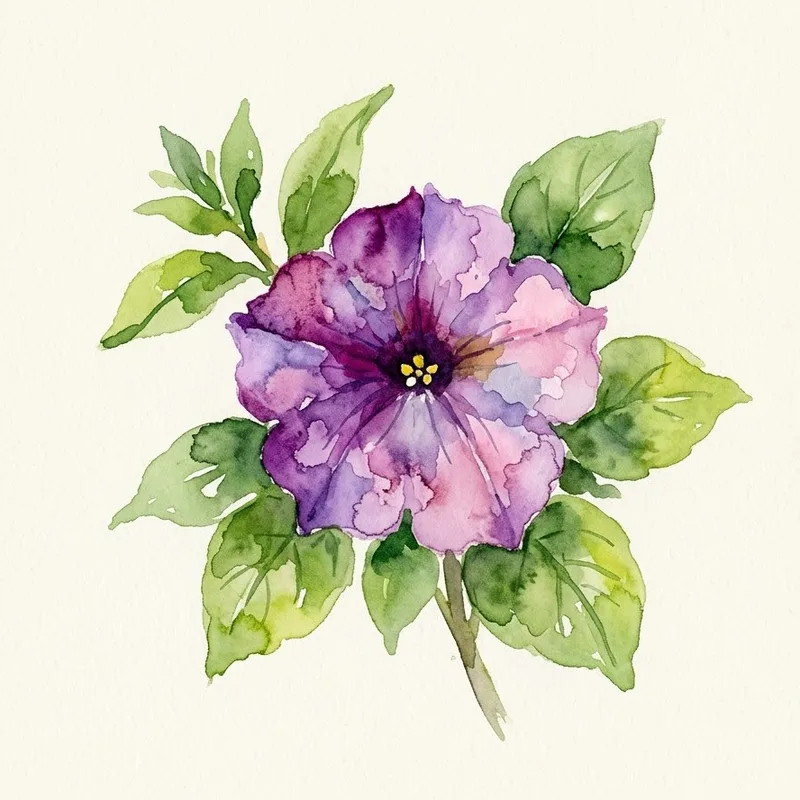
Cascading color for containers and beds. Blooms nonstop until frost.
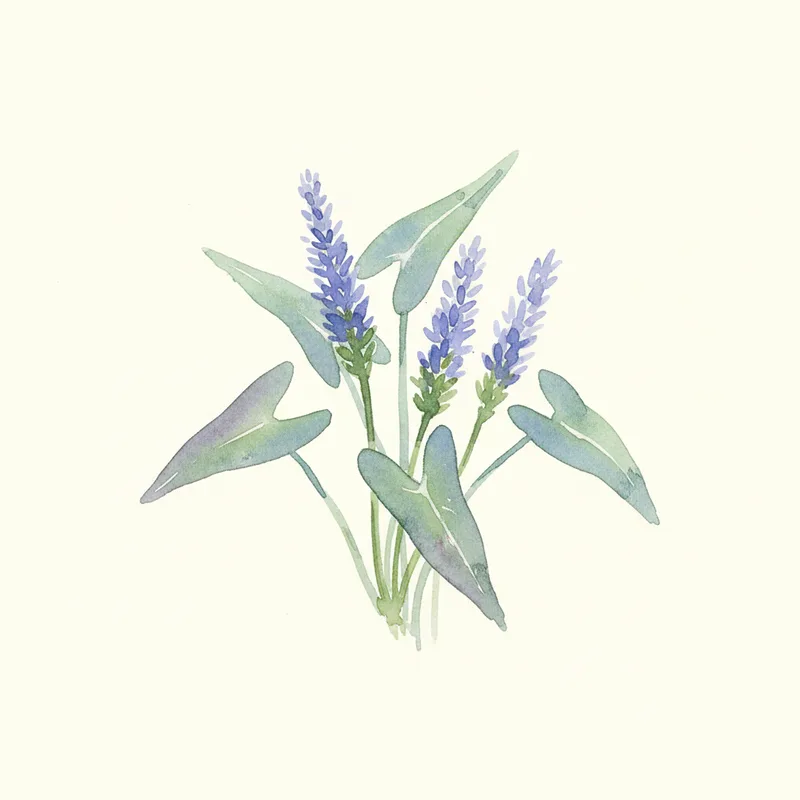
Spikes of violet-blue flowers above glossy arrow-shaped leaves. Native pond and stream bank staple.
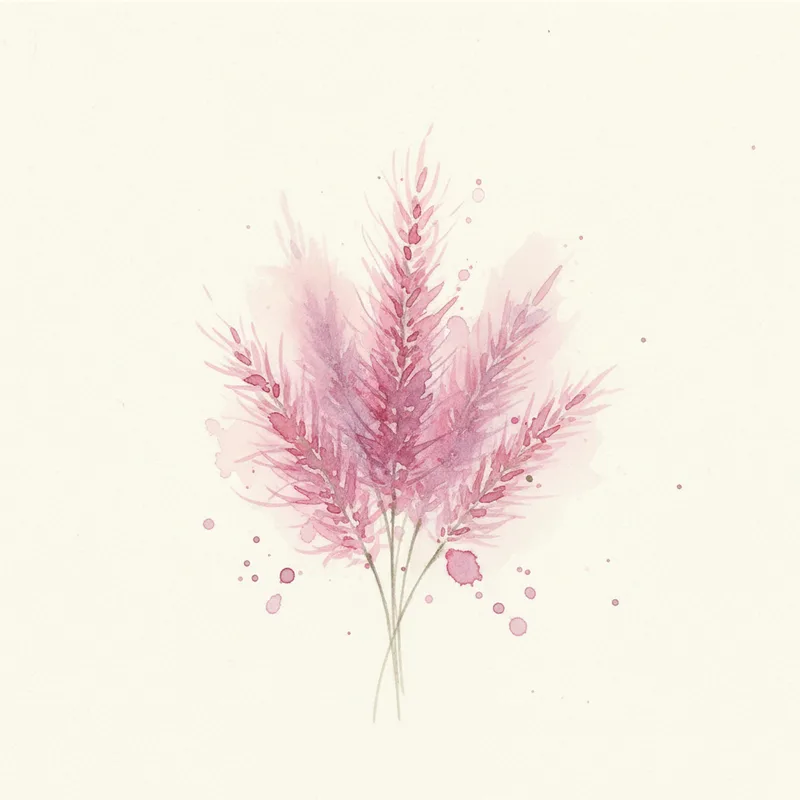
Billowing pink seed clouds float over fine foliage in autumn and remain attractive dried.
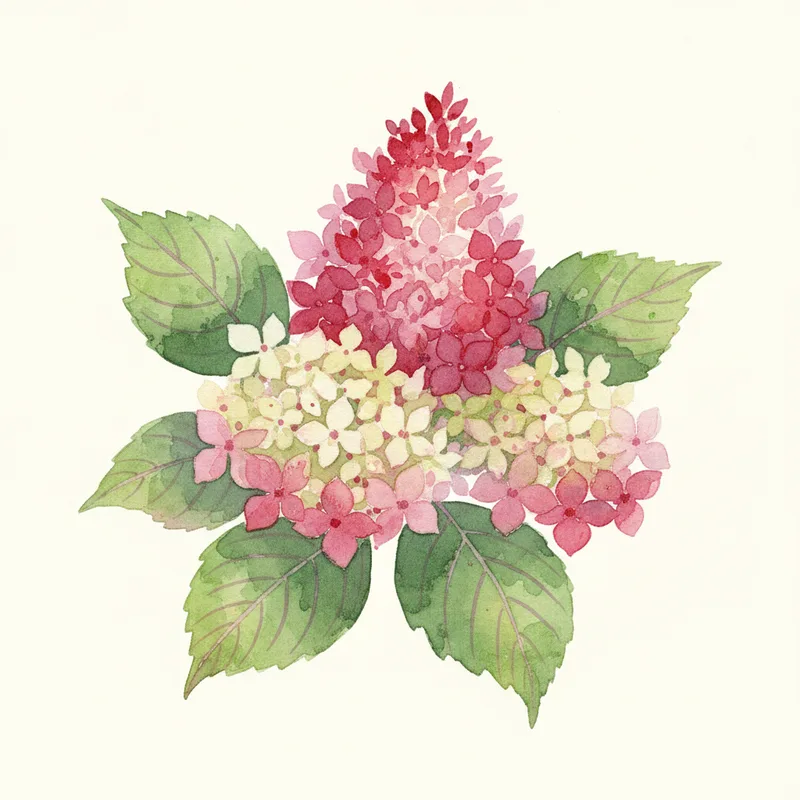
Two-tone blooms with white tips and pink bases. Strong stems hold heavy flower heads upright.
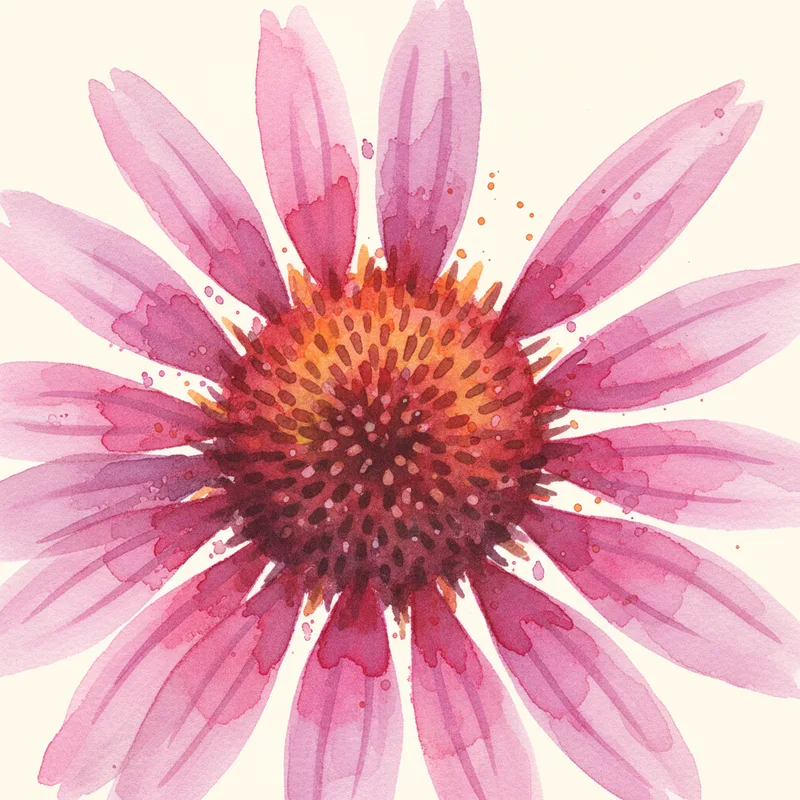
Compact, heavily branched, and smothered in deep rose-purple blooms. Reblooms without deadheading.
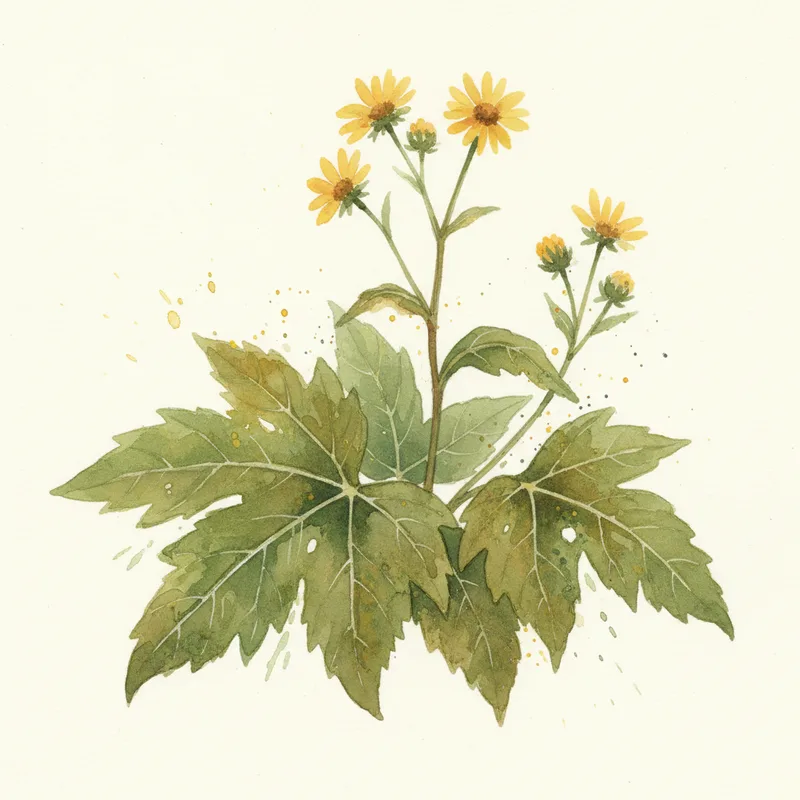
Huge basal leaves and tall stalks topped with yellow daisies give strong prairie structure.
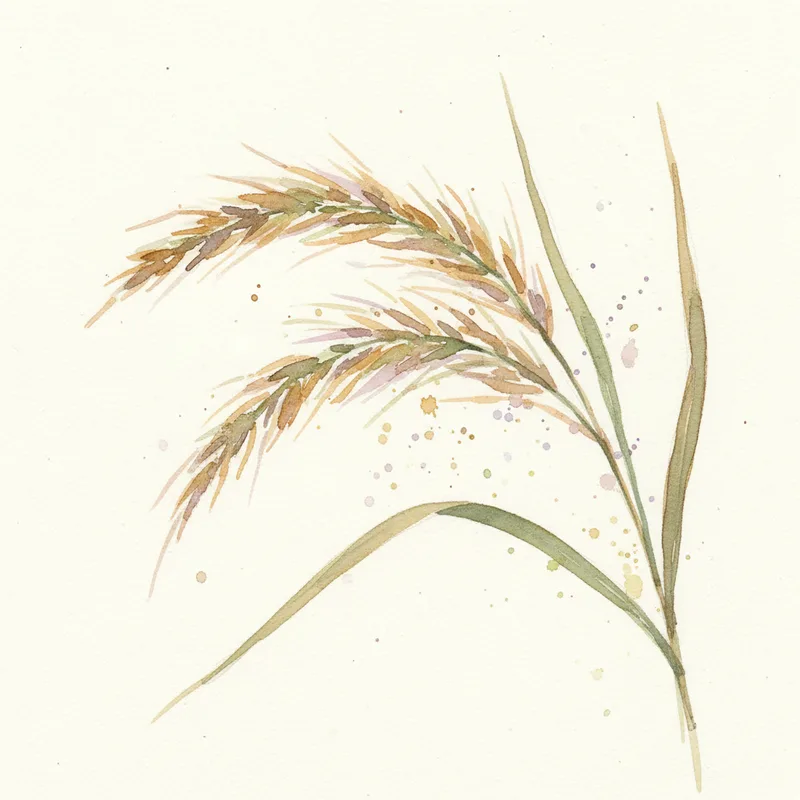
Fine-textured mounds send up airy fragrant flower sprays that persist into winter.
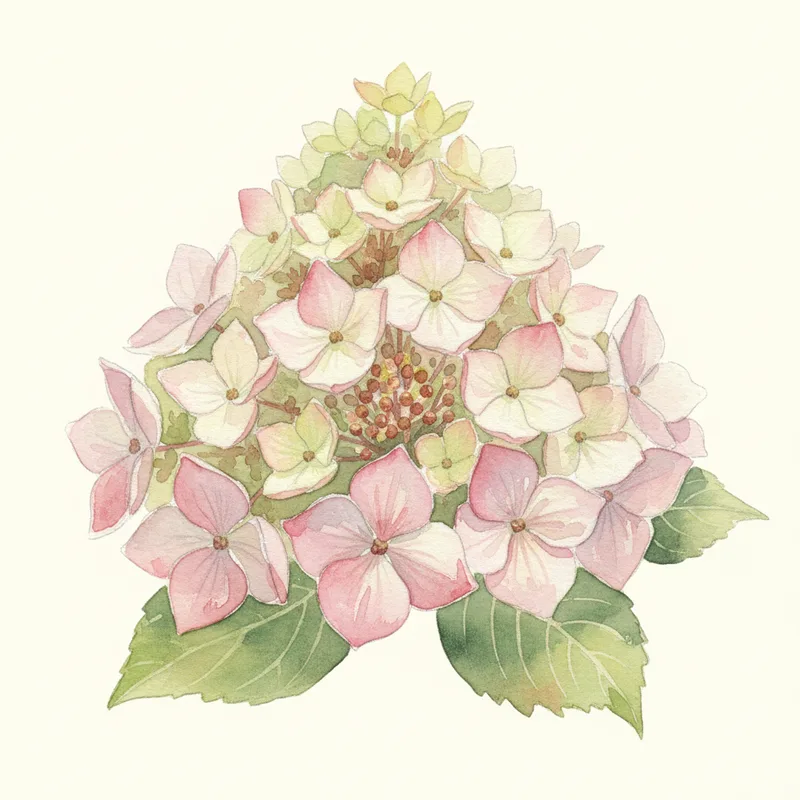
Blooms a full month before other paniculatas. White cones age to deep rosy pink by fall.
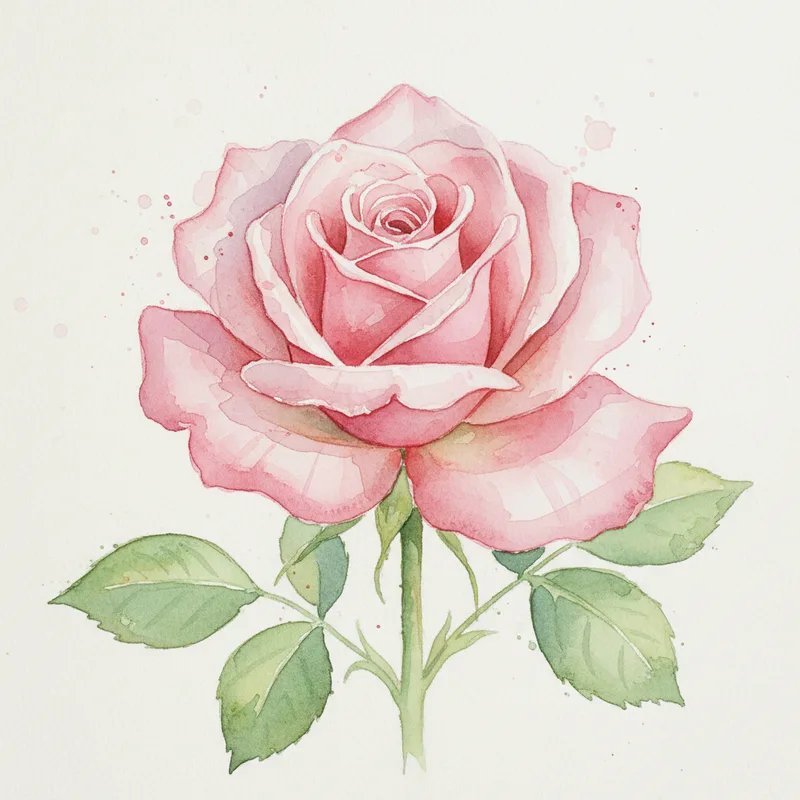
The queen of the garden. Modern varieties are surprisingly low-maintenance.
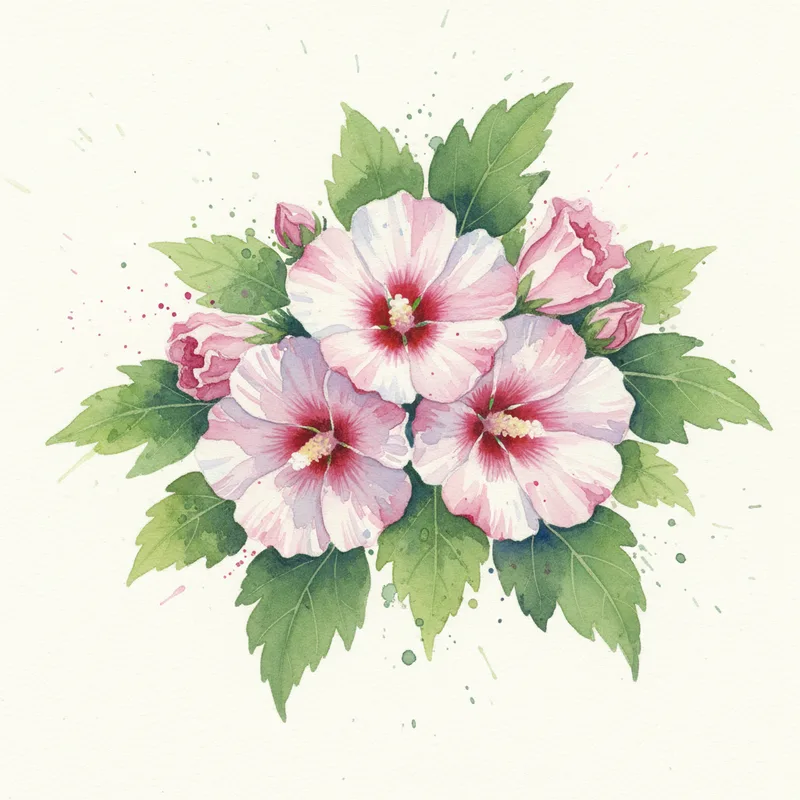
Tropical-looking hibiscus flowers on a cold-hardy shrub. Blooms late.
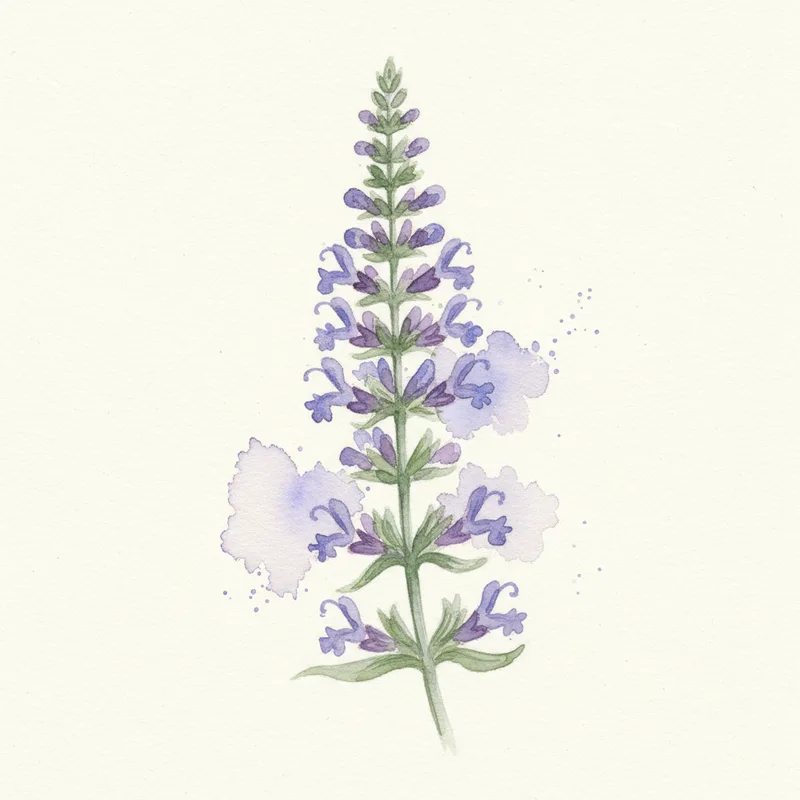
Airy lavender clouds on silver stems. Thrives in heat and poor soil.
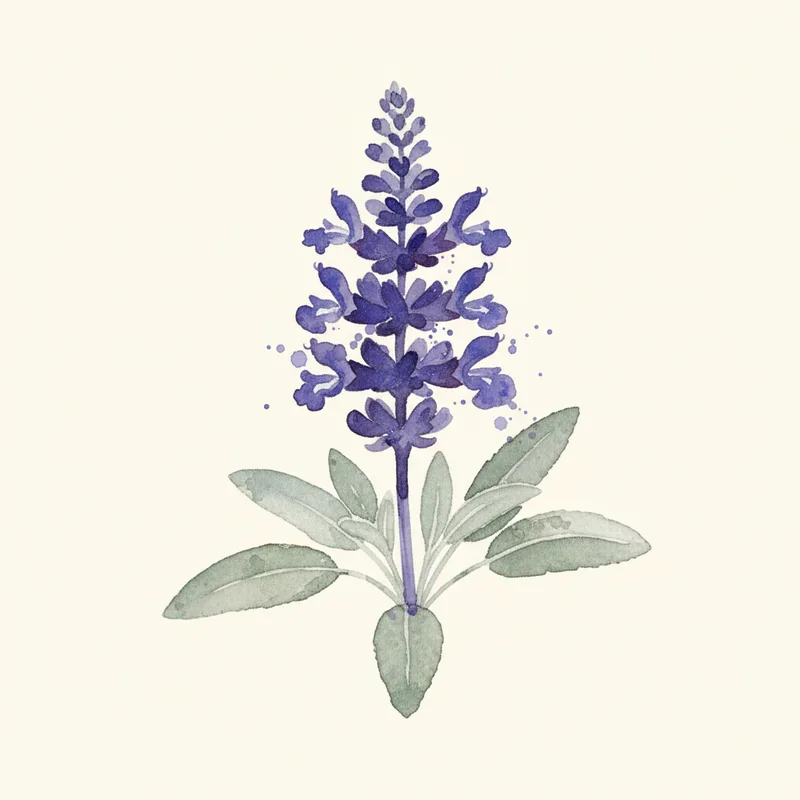
Vertical flower spikes that hummingbirds and bees cannot resist.
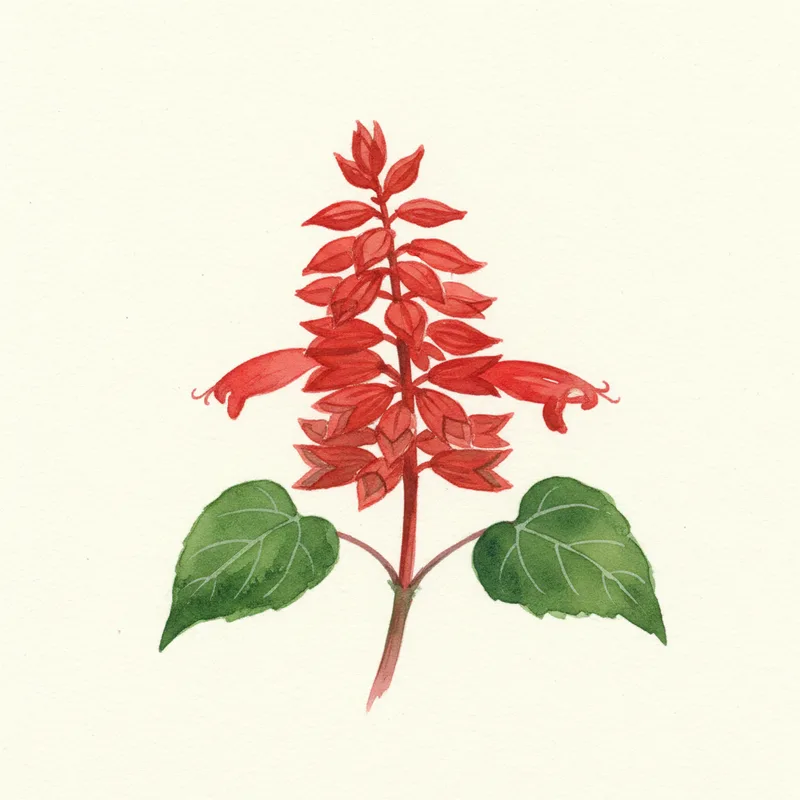
Electric red spikes that hummingbirds zero in on. Common bedding plant that earns its spot every year.
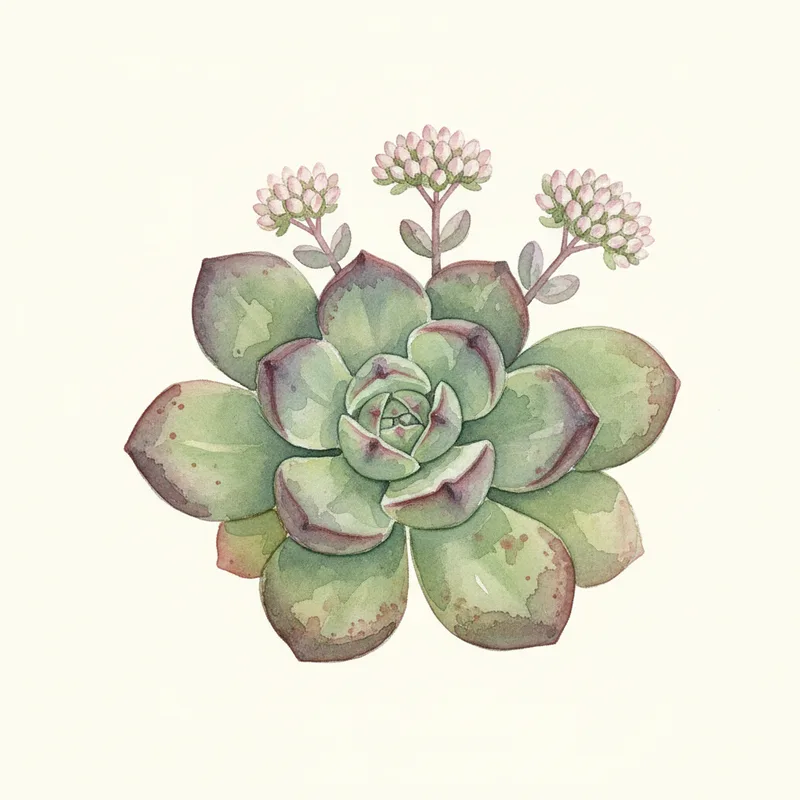
Succulent leaves, tough as nails. Ages to deep crimson in autumn.
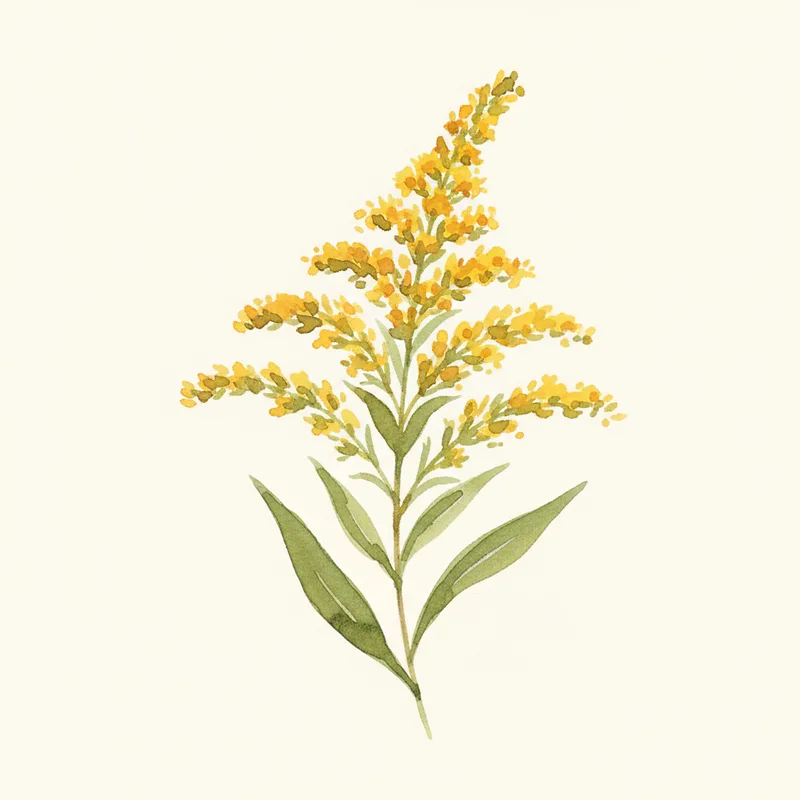
Upright spikes of bright yellow flowers feed late-season pollinators on dry prairies.
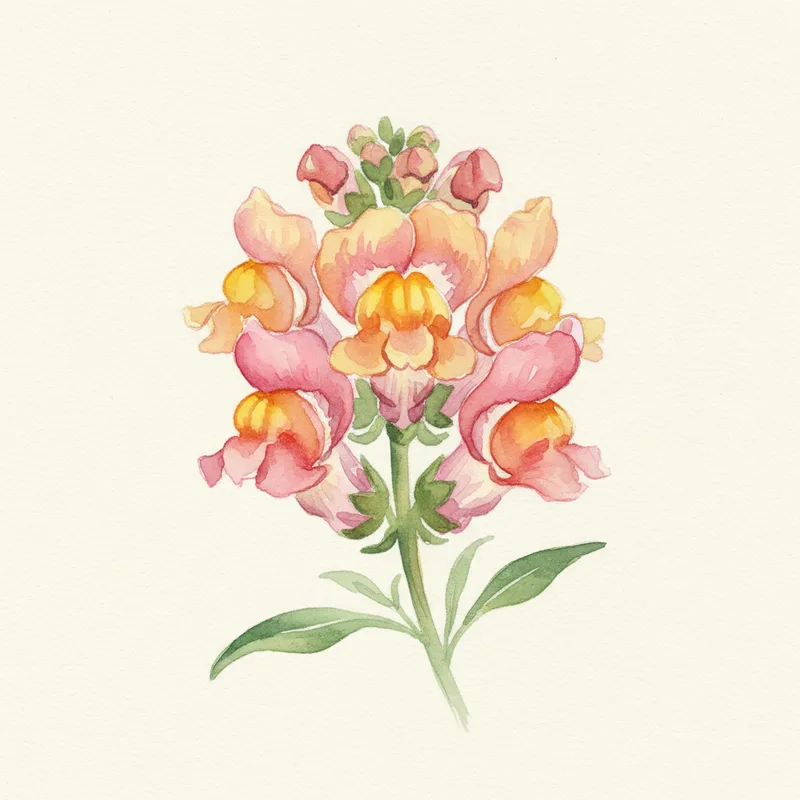
Vertical flower spikes with squeeze-open blooms. Kids love them.
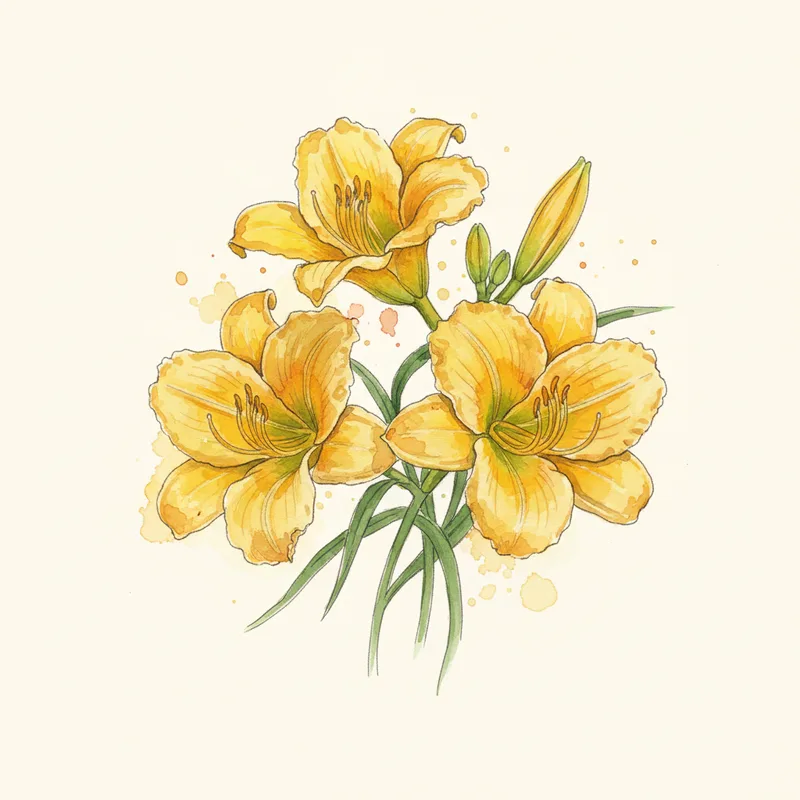
The most planted perennial in America. Compact, reblooming, and basically indestructible.
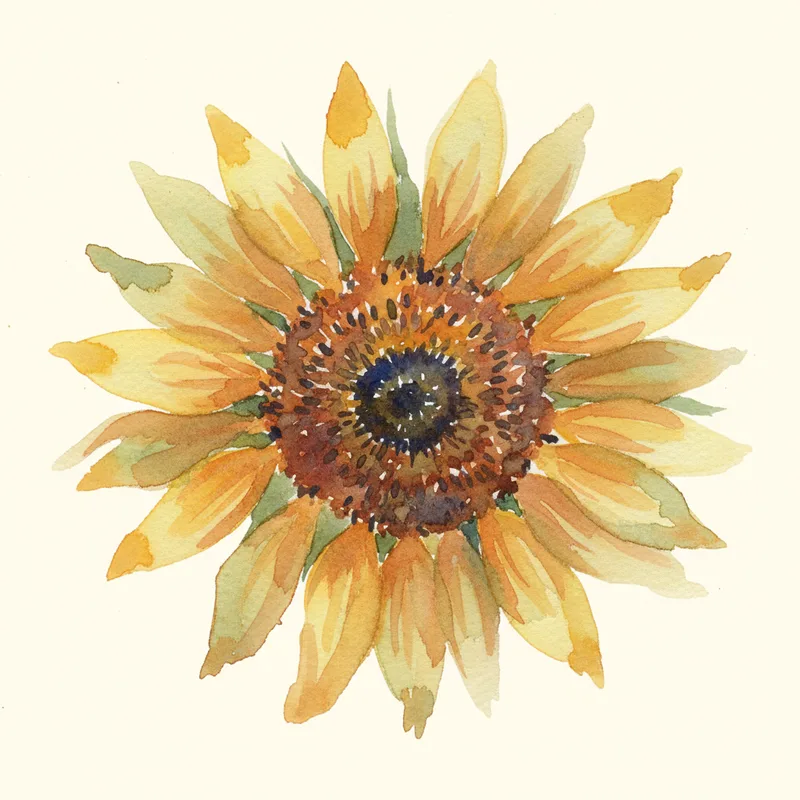
Pure joy on a stalk. Birds love the seeds, kids love the spectacle.
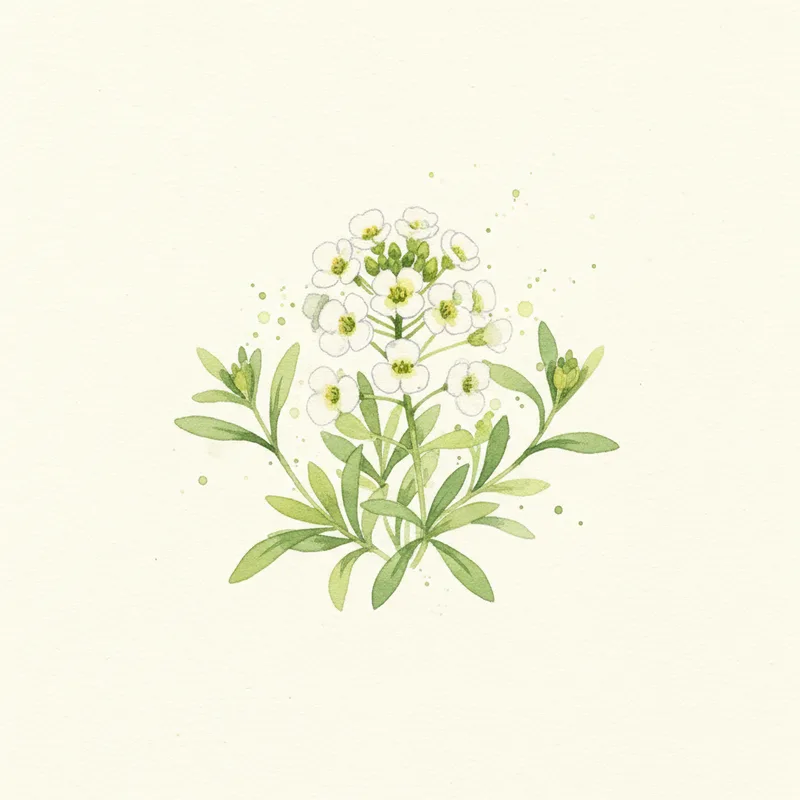
Honey-scented carpet of tiny flowers. The best living edging plant.
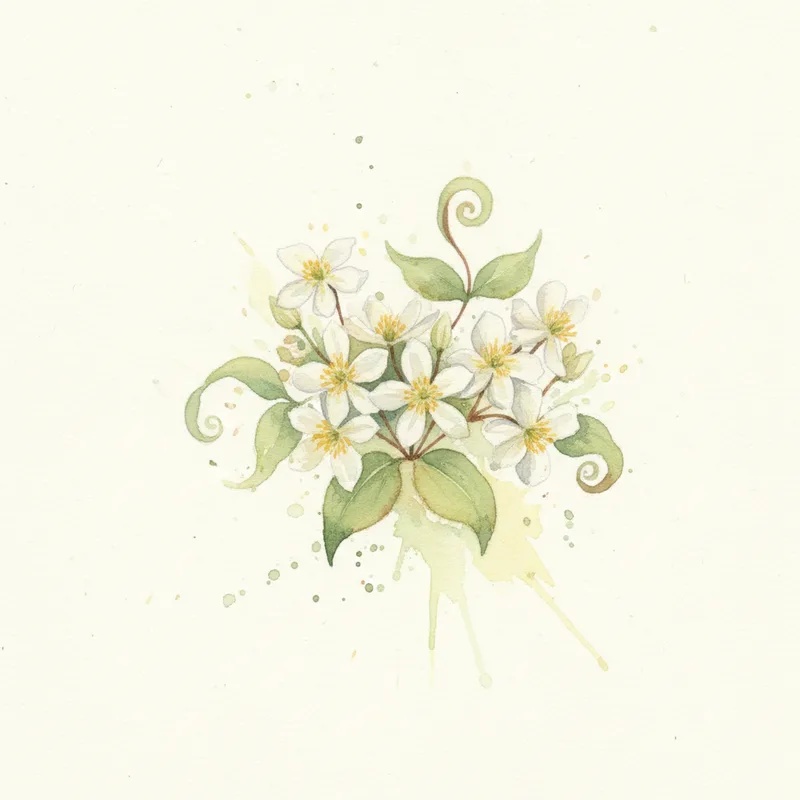
Explosive late-summer bloom of thousands of tiny fragrant white flowers. Vigorous to a fault.
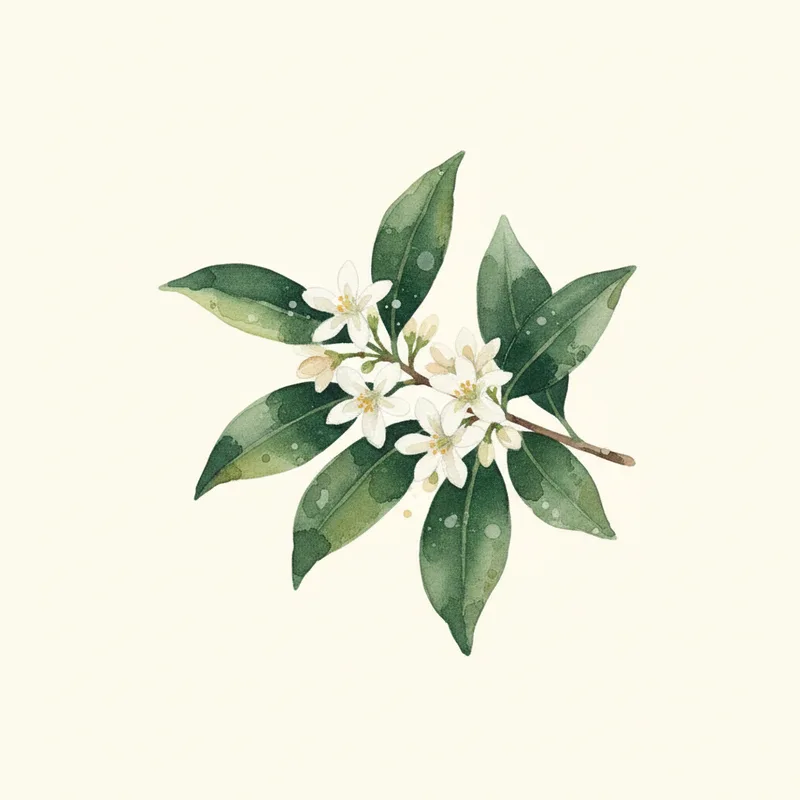
Small clustered flowers perfume the garden with an apricot-like scent over a long season.
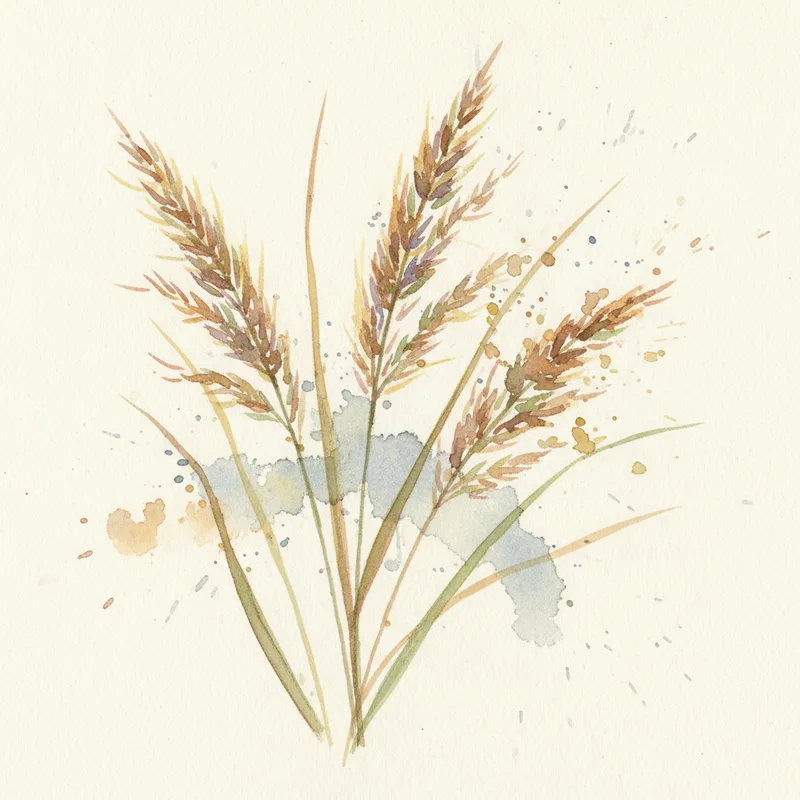
Upright native grass with airy seed heads. Gold and red fall color.
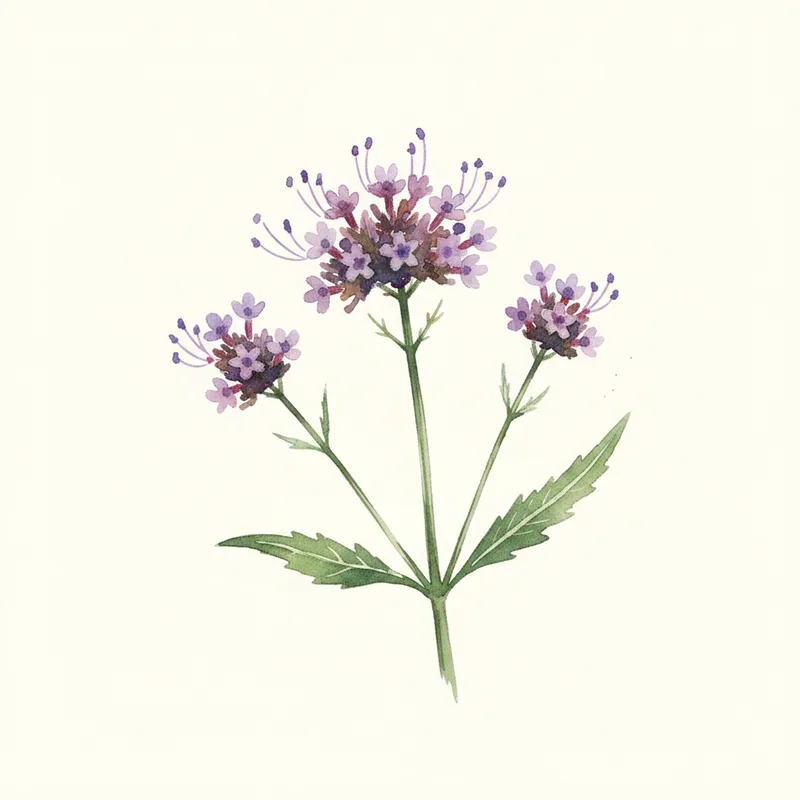
Wiry stems topped with purple clusters that butterflies can't resist. See-through plant for layering.
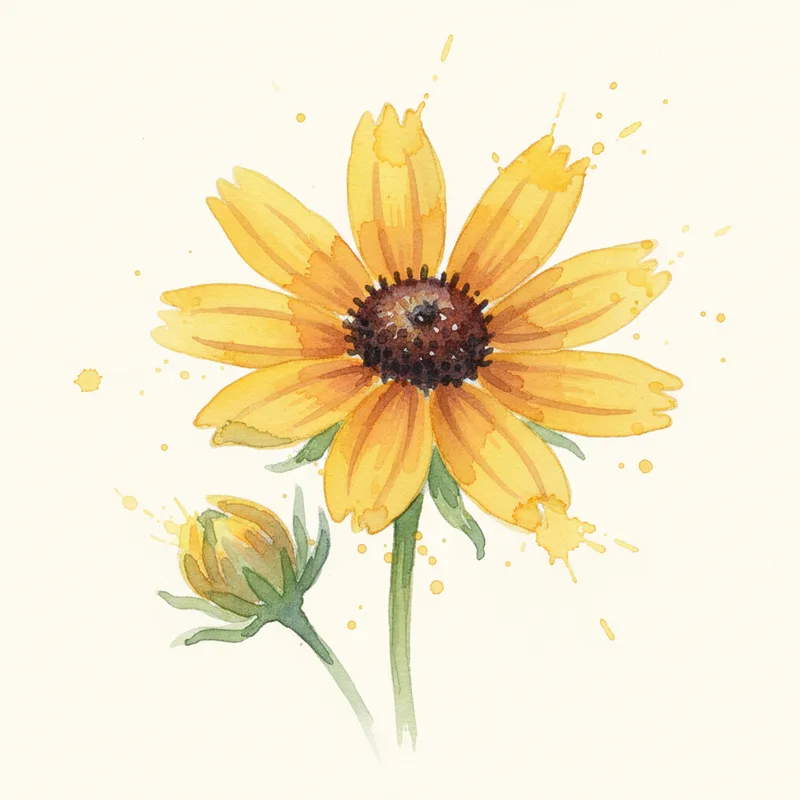
Cheerful native daisy that blooms for months with almost no care.
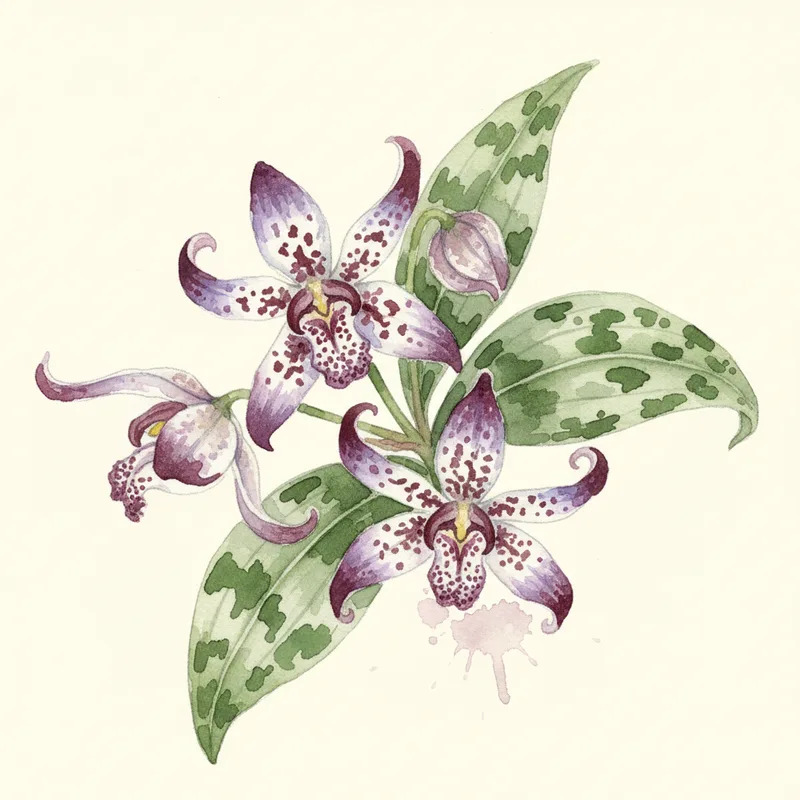
Orchid-like spotted flowers when everything else is done. A late-season shade garden gem.
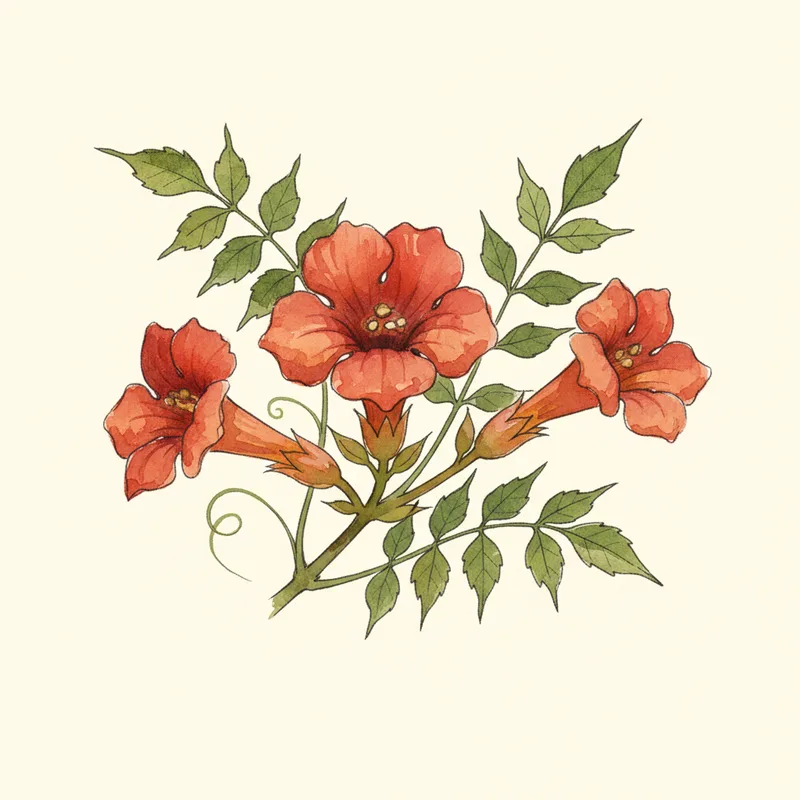
Aggressive native vine with fiery trumpets. Hummingbird highway.
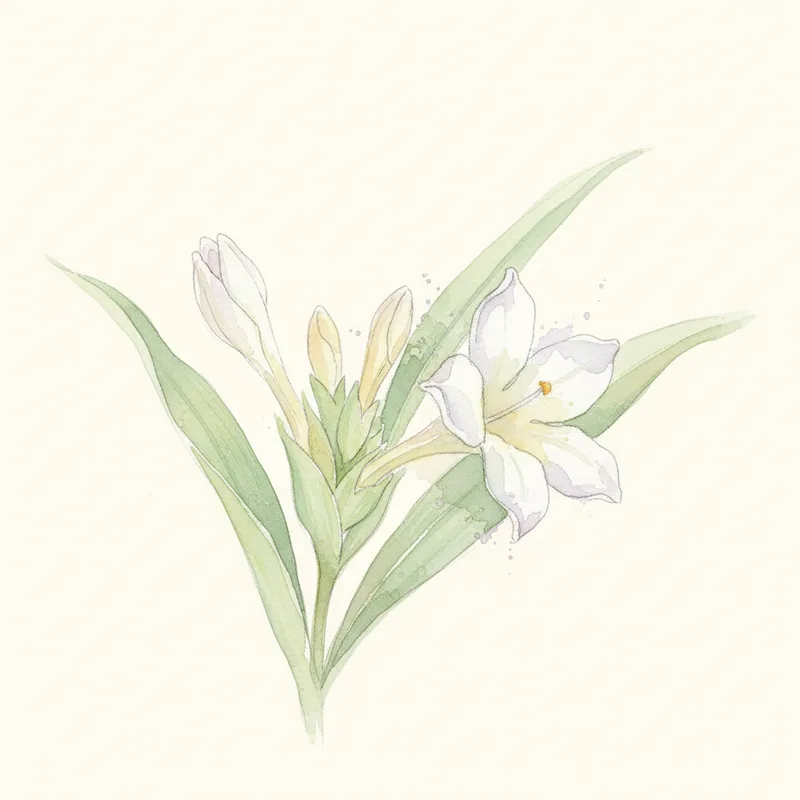
Tall summer spikes of waxy white blooms release powerful evening fragrance.
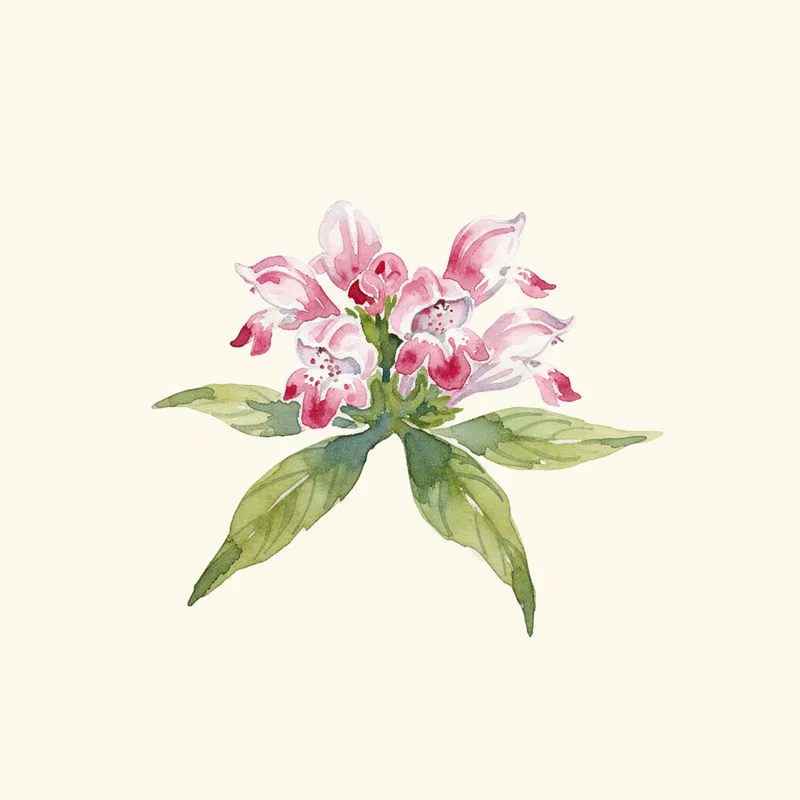
Snapdragon-like flowers shaped exactly like a turtle's head. Loves wet feet.
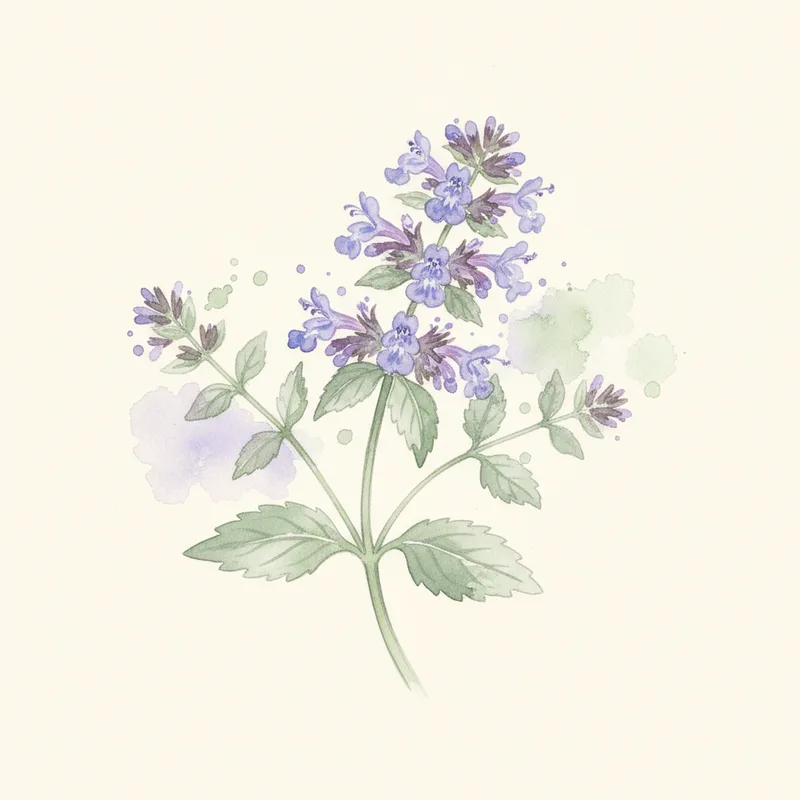
Perennial Plant of the Year. Billowy lavender-blue spikes that rebloom hard after a shear.
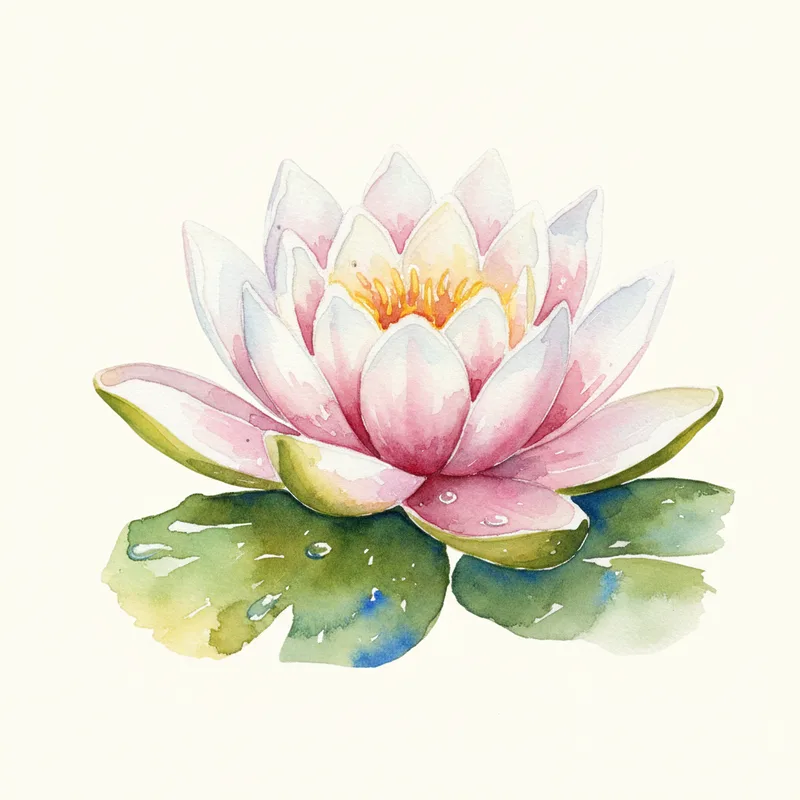
Floating jewels that transform any pond. Pads provide shade for fish while flowers dazzle above.
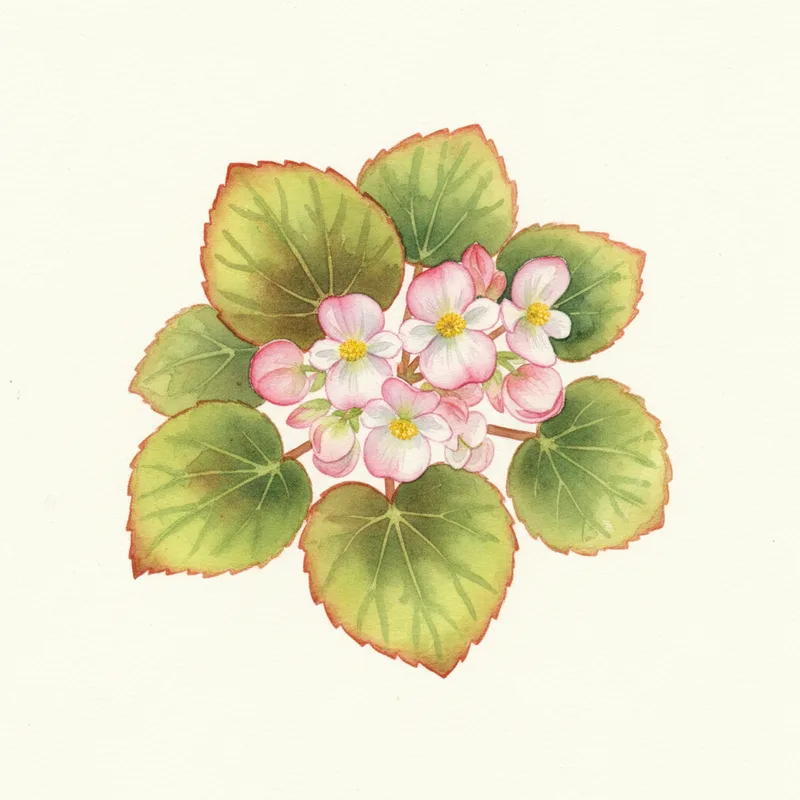
Glossy leaves and nonstop flowers in sun or shade. One of the most reliable bedding plants anywhere.
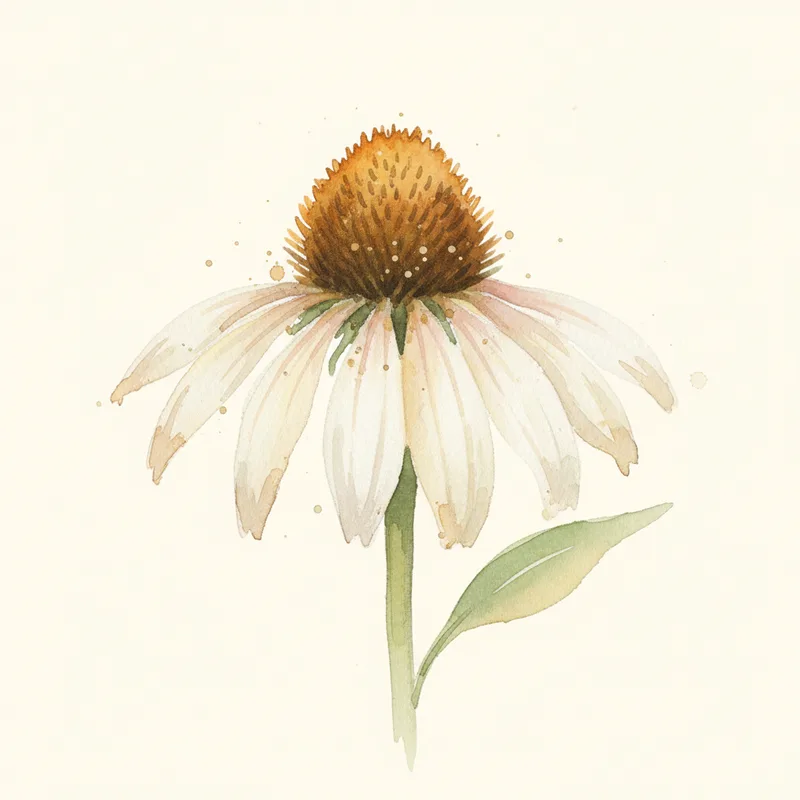
Pure white drooping petals around a bronze-orange cone. Elegant and underused.
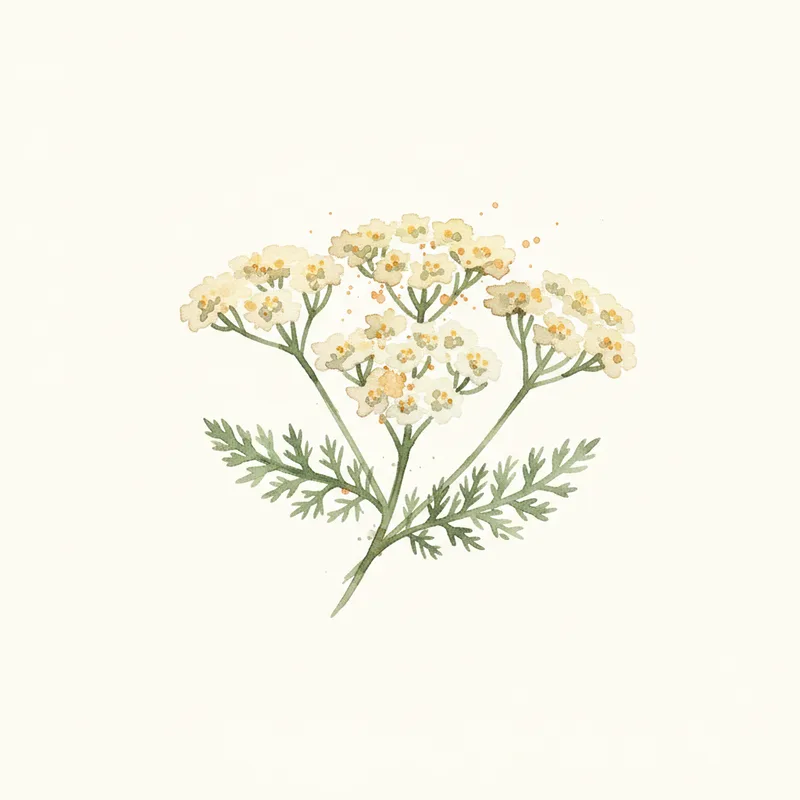
Flat-topped clusters on ferny foliage. Thrives on neglect in poor soil.
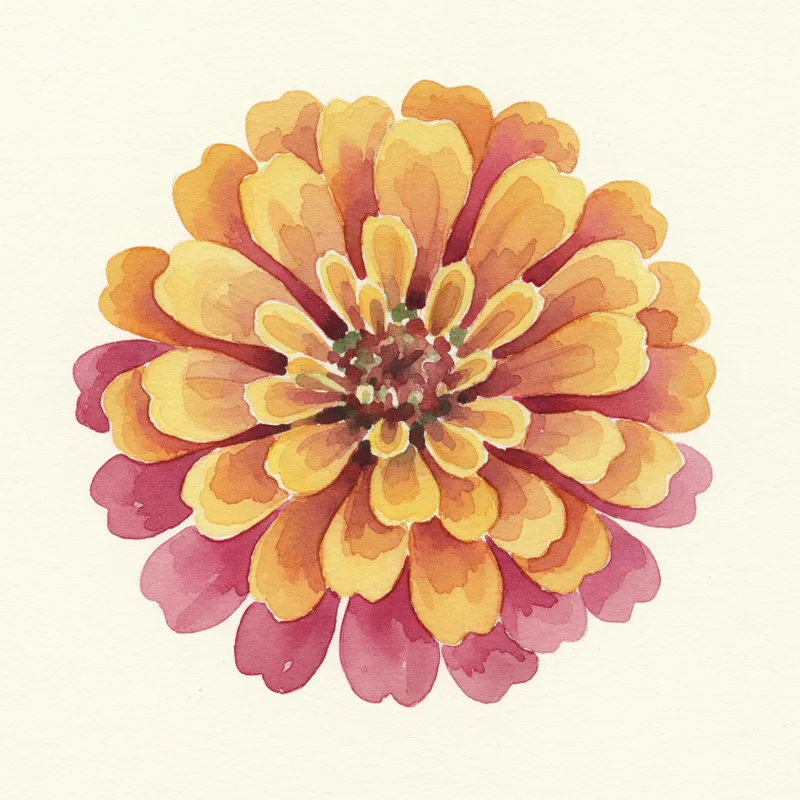
Easy-grow annual with electric colors. Cut-and-come-again champion.
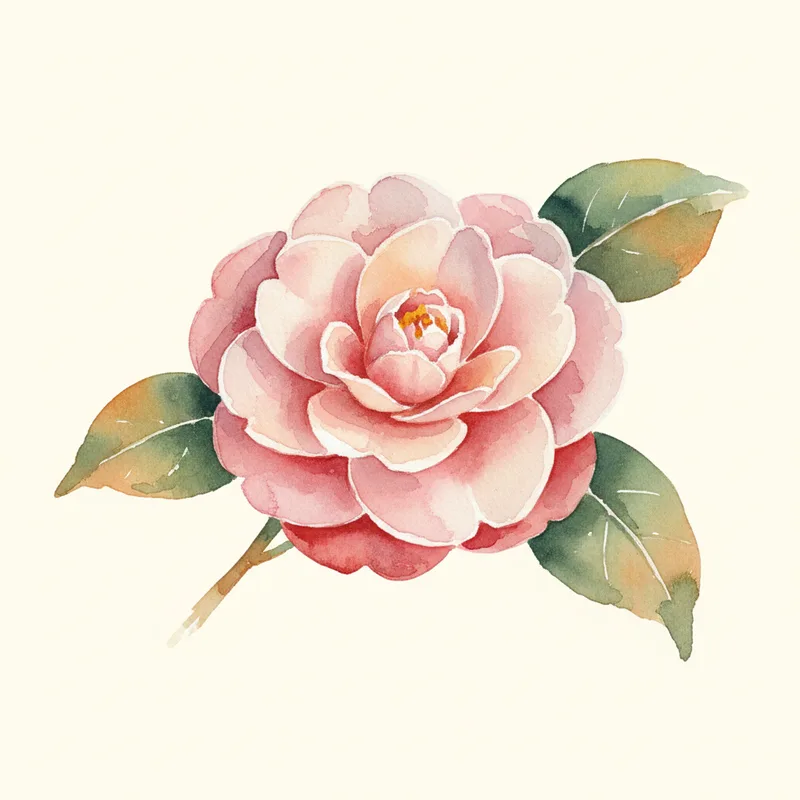
Glossy evergreen with rose-like blooms in the depths of winter.