What to Plant in April: Zone-by-Zone Guide
April is the busiest planting month of the year. Bare-root perennials, summer bulbs, seed sowing, and transplants all compete for your attention. Here is exactly what to put in the ground in your zone.
April is not really one month. It is three different months stitched together by the calendar. In zone 4, the ground may still be half-frozen. In zone 7, tulips are finishing and the soil is warm enough for almost anything. In zone 9, you are already racing against summer heat. The planting window is wide open, but what you put in the ground depends entirely on where you live. Here is the zone-by-zone breakdown of what to plant right now.
Zones 3-5: Bare roots, cold-hardy perennials, and patience
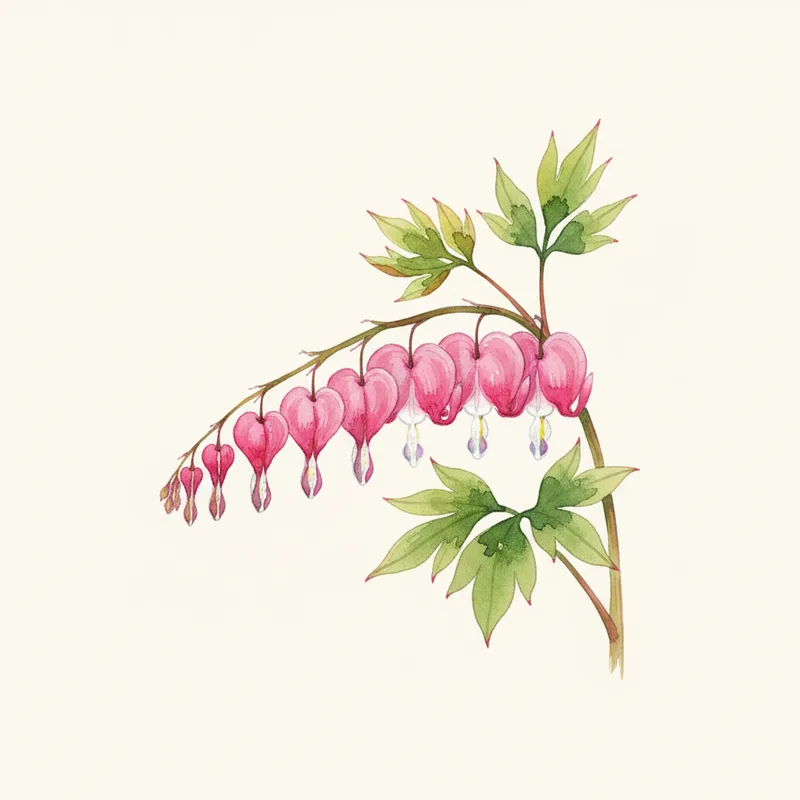
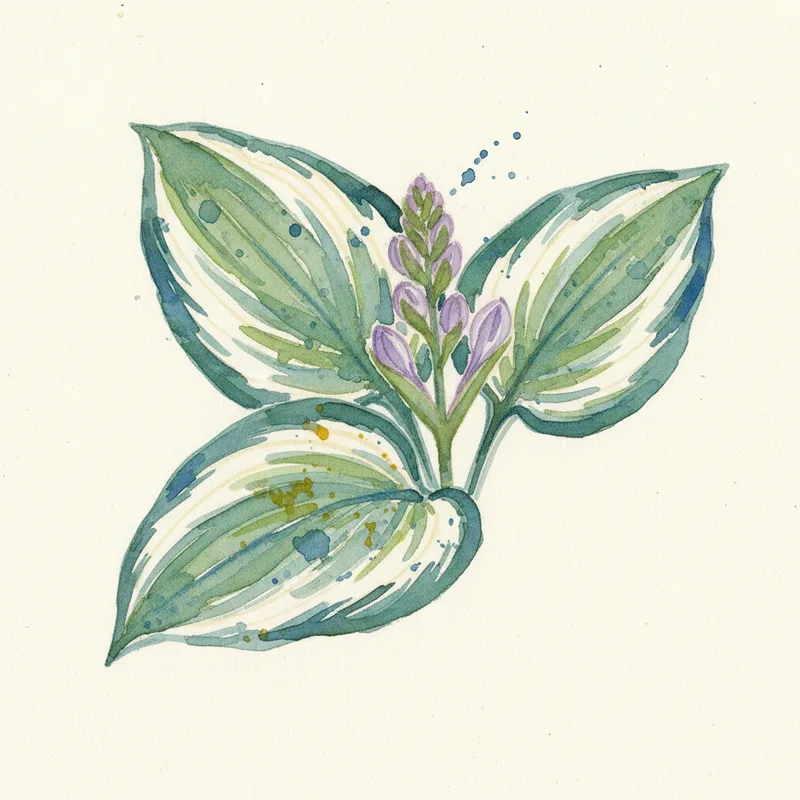
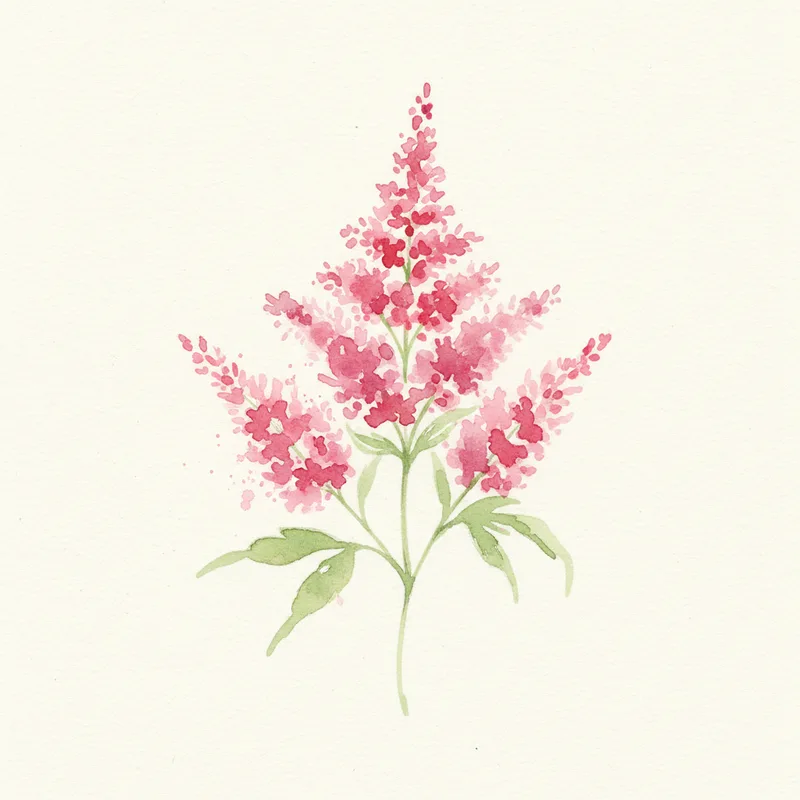
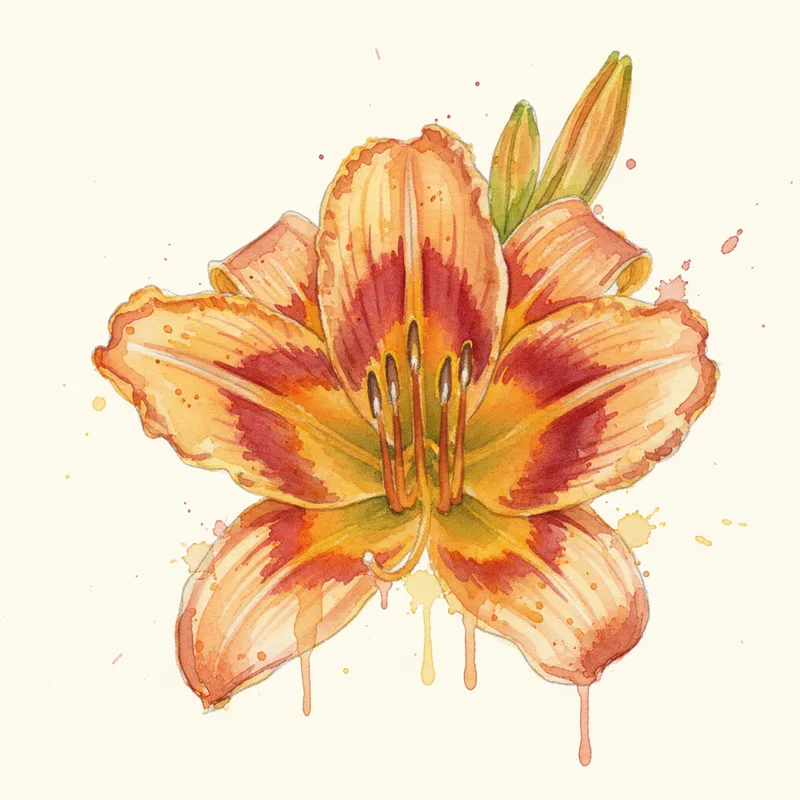
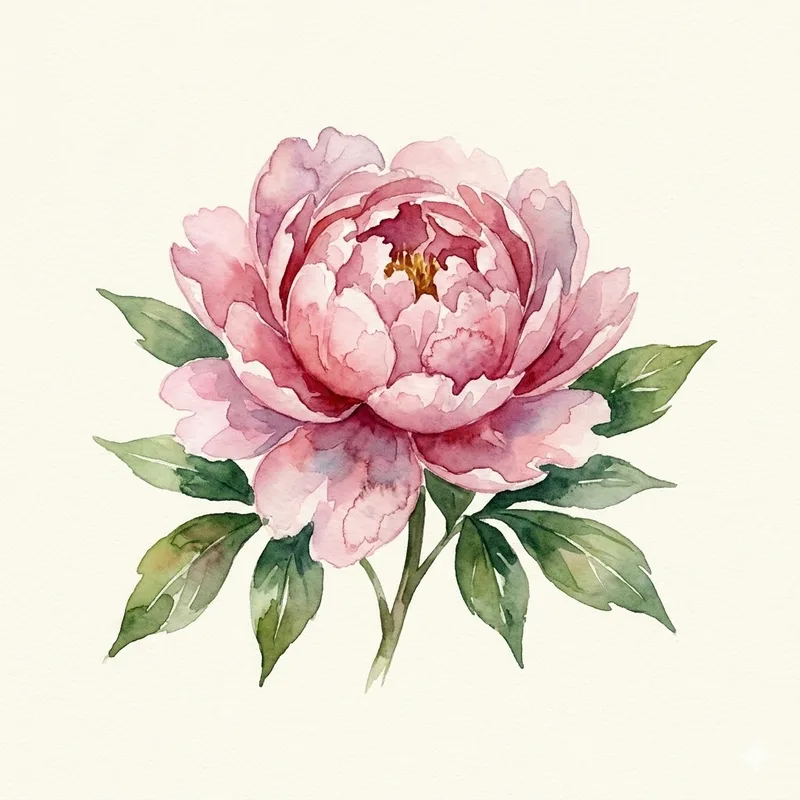
The soil is finally thawing, and this is your most important planting window of the year. Bare-root perennials shipped from nurseries should go in the ground as soon as you can work the soil. Bleeding heart, hostas, astilbe, daylilies, and peonies all establish best when planted as dormant roots in cool, moist spring soil. Get them in now and they will reward you for years.
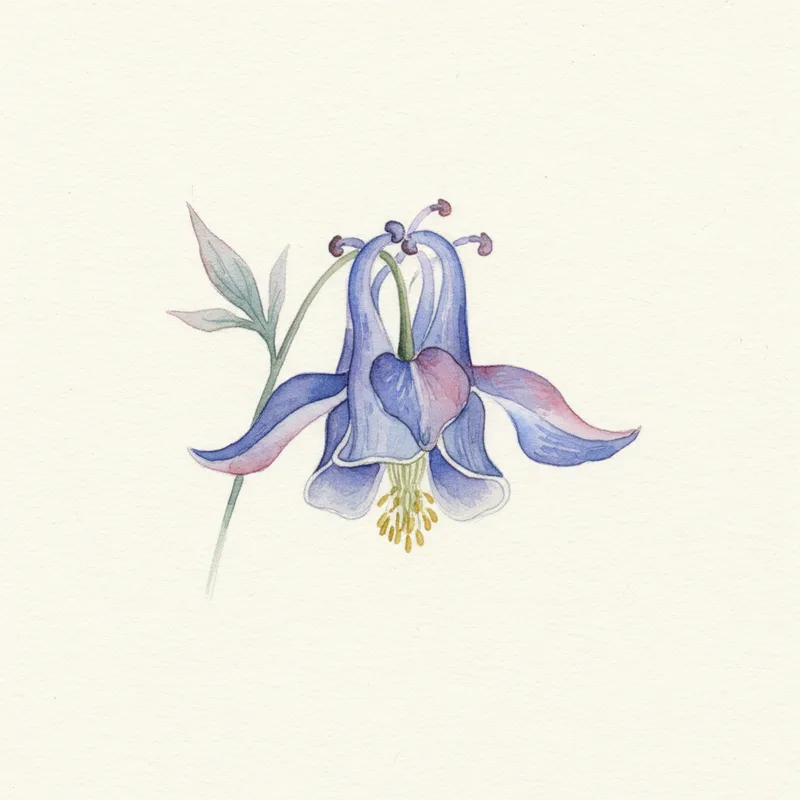
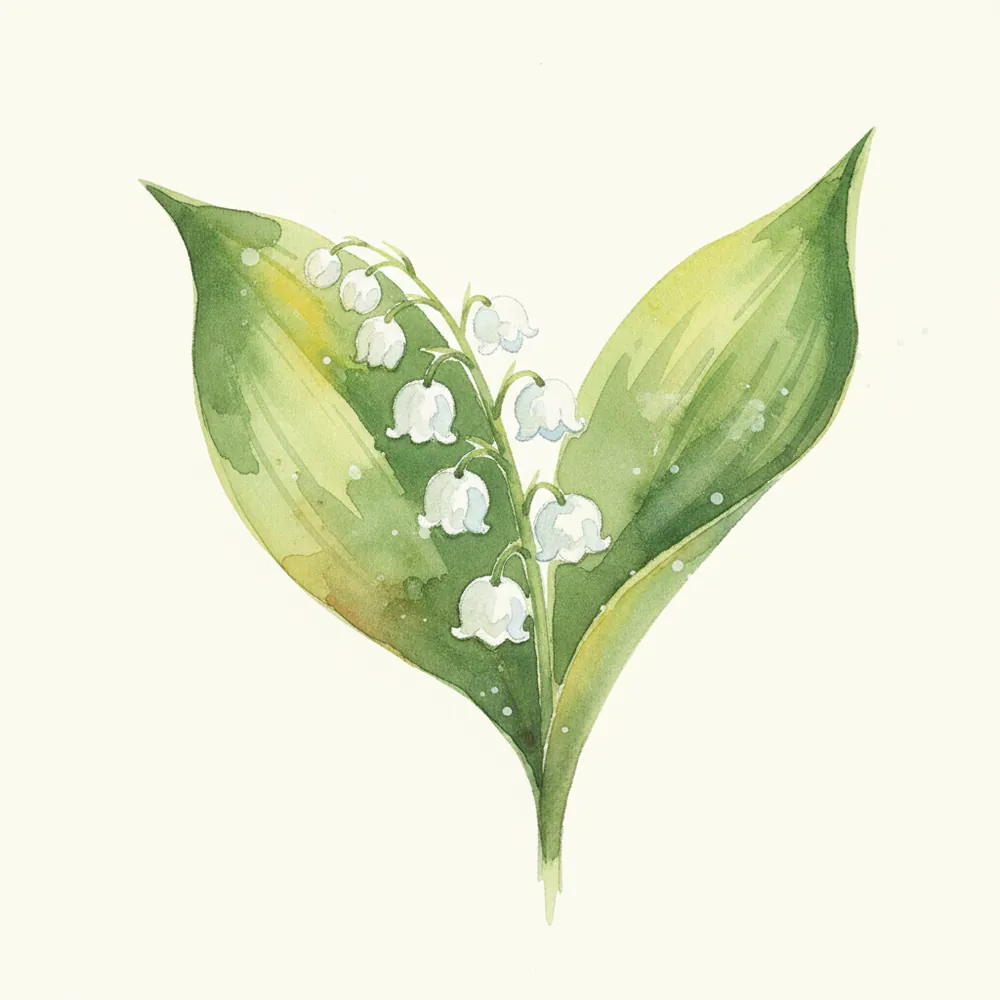
Columbine, brunnera, coral bells, and lily of the valley can go in as soon as the ground is workable. These shade-tolerant perennials are tougher than they look. Plant them, water them in, mulch lightly, and forget about them. They will figure out the rest.
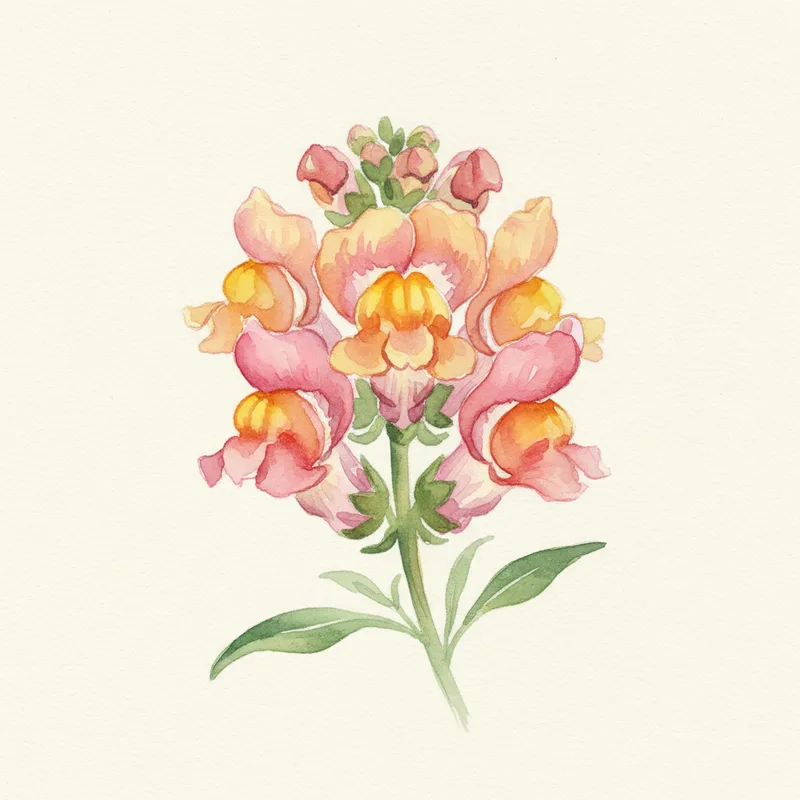
Do not plant anything tender yet. No dahlias, no zinnias, no tomatoes. Your last frost is still weeks away. Instead, start seeds indoors for zinnias, cosmos, and marigolds. They need four to six weeks of indoor growth before transplanting. Sweet peas and snapdragons are the exception. These cool-season annuals can go directly in the ground now. They actually prefer it cold.
Zones 6-7: The sweet spot
April in zones 6 and 7 is the best planting month of the year. The soil is warm enough for roots to grow but cool enough that transplant shock is minimal. Rain is still reliable. You have a wide-open window before summer heat arrives, and you should use every day of it.
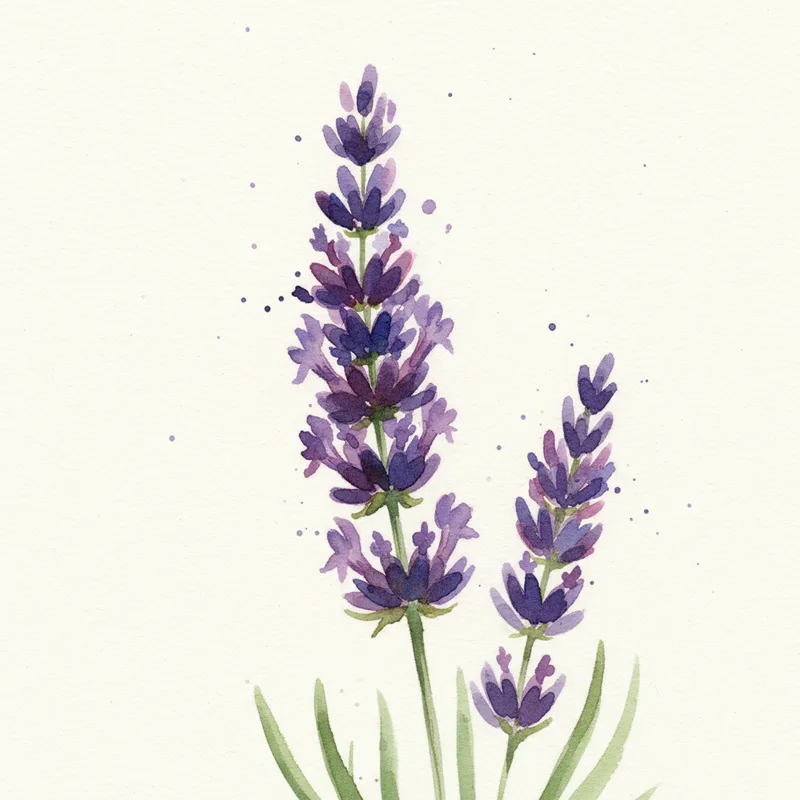
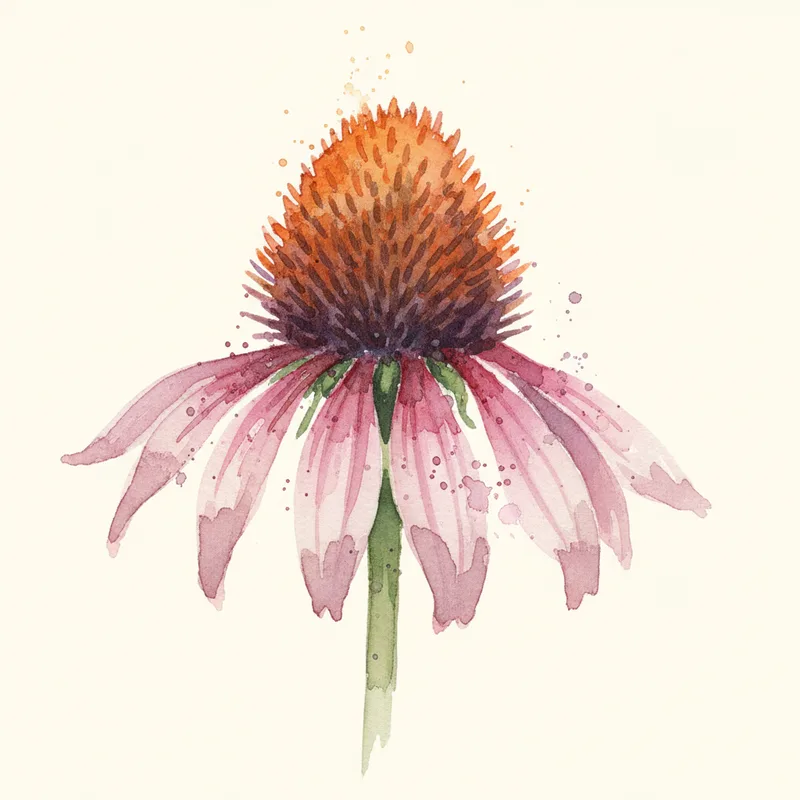
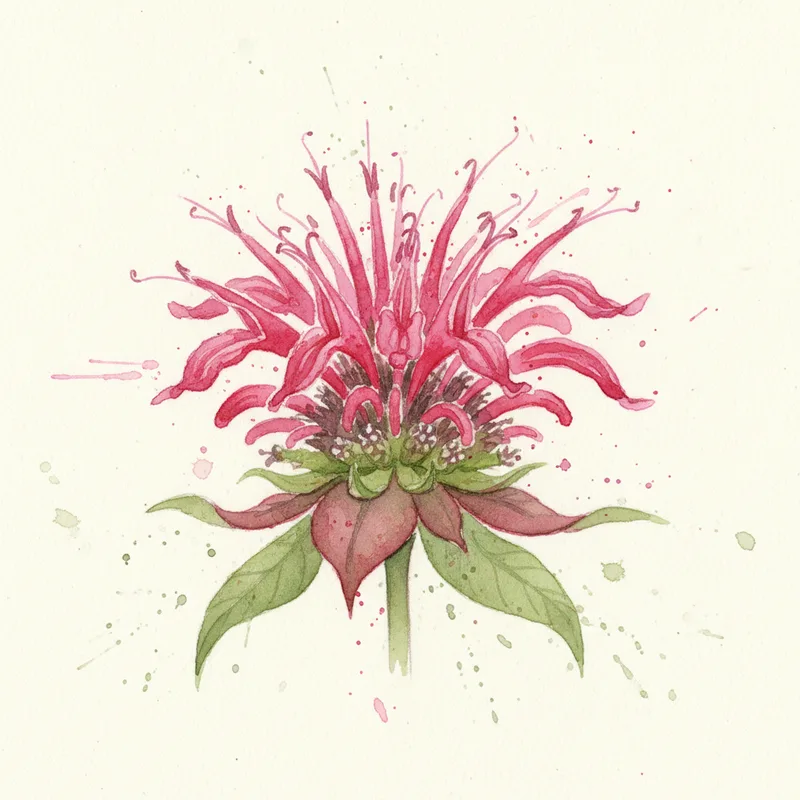
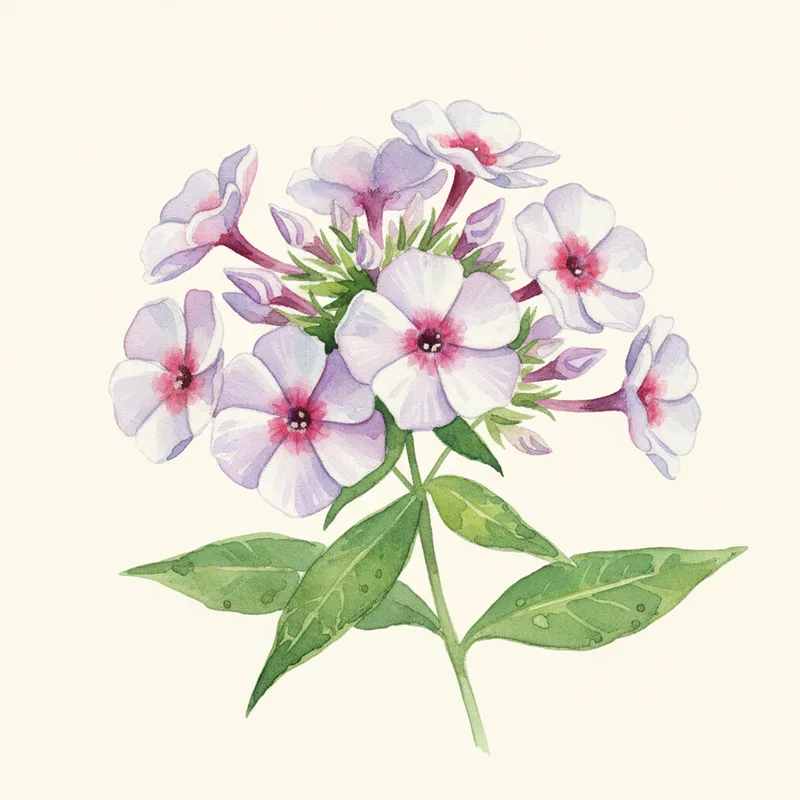
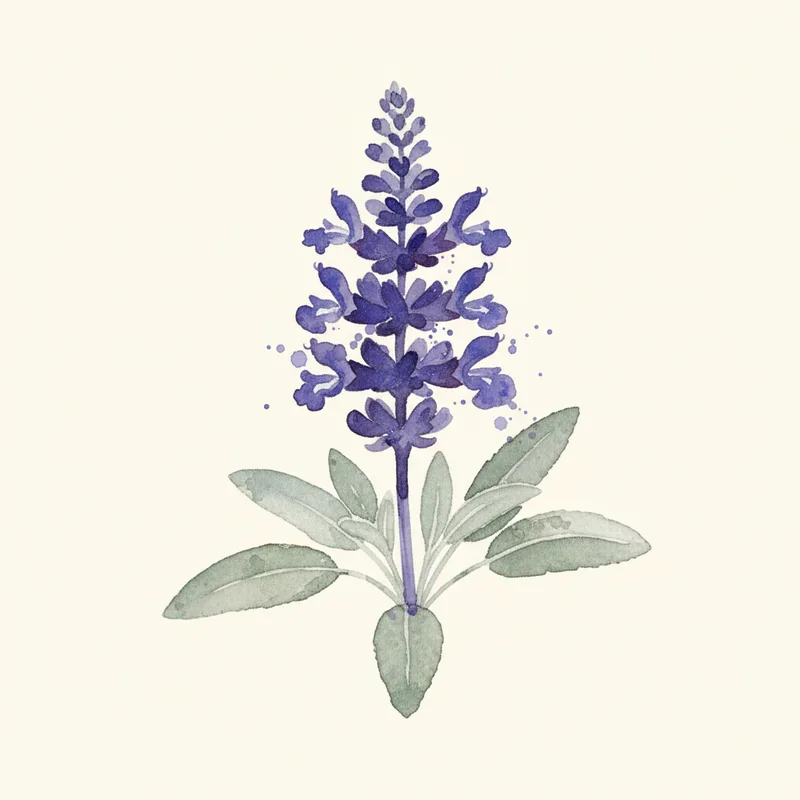
Plant container perennials aggressively this month. Catmint, lavender, coneflower, black-eyed Susan, bee balm, garden phlox, and salvia all go in now. These are your summer backbone plants. Getting them established in April means they will be fully rooted and blooming hard by July.
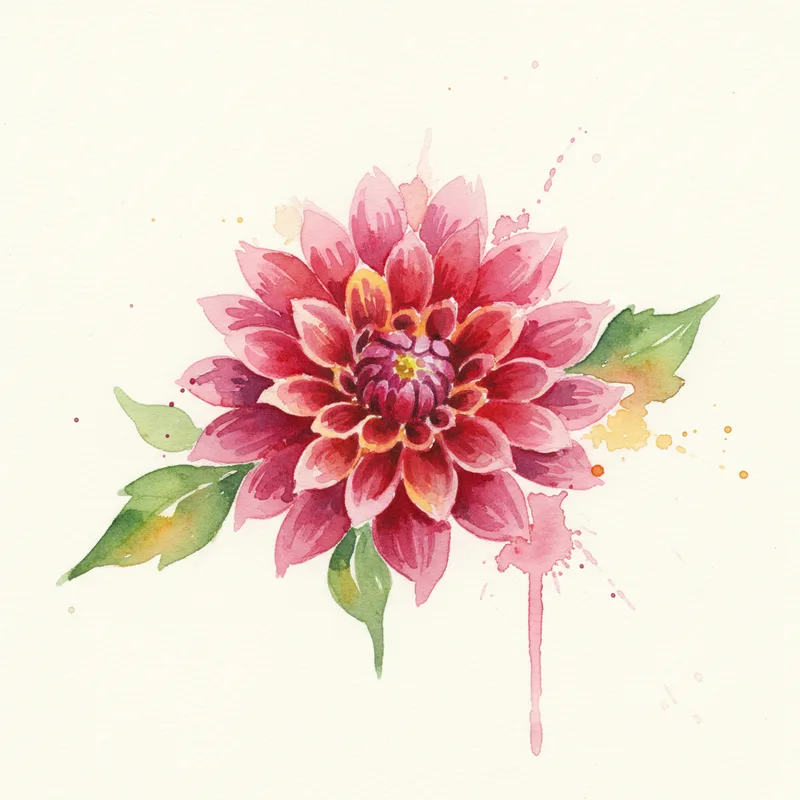
Mid to late April is dahlia tuber planting time in these zones. Wait until the soil temperature hits 60 degrees. Plant them four to six inches deep with the eye facing up. They will not show above ground for three weeks, so mark the spots. This is also prime time to plant bare-root roses and to move or divide any perennials that have outgrown their spots.
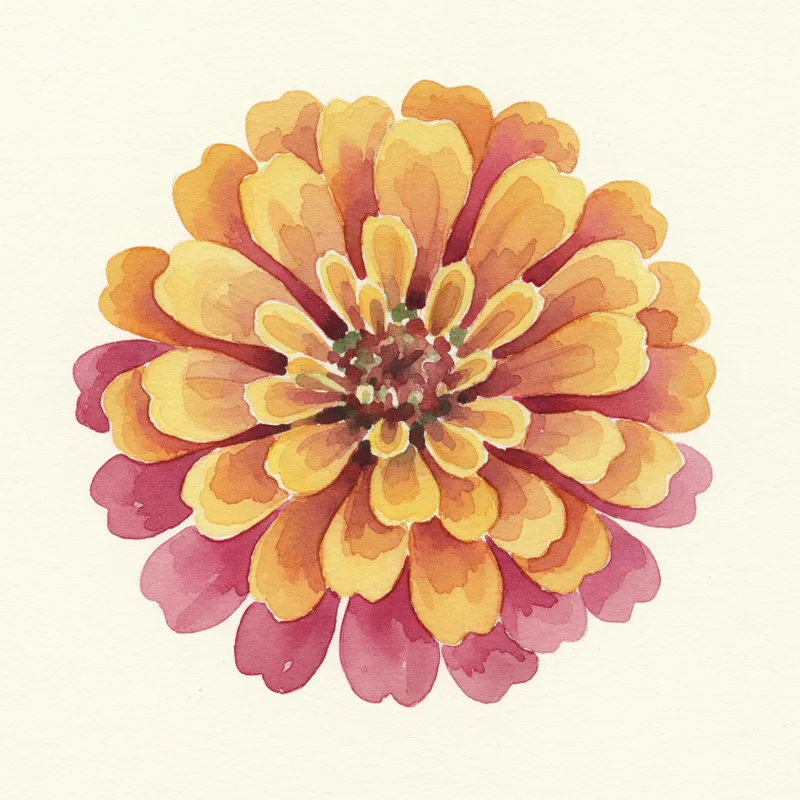
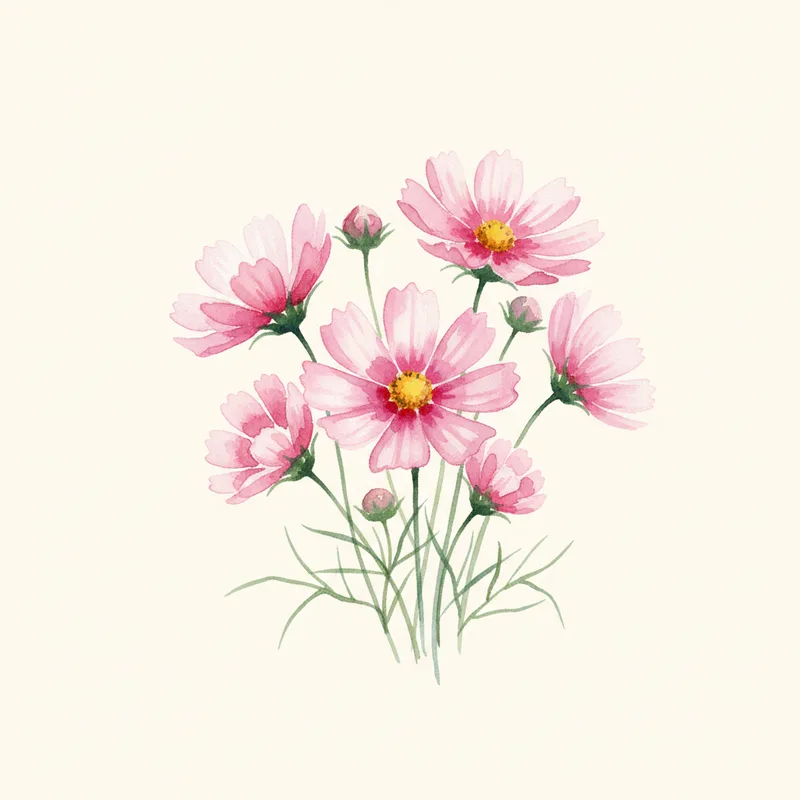
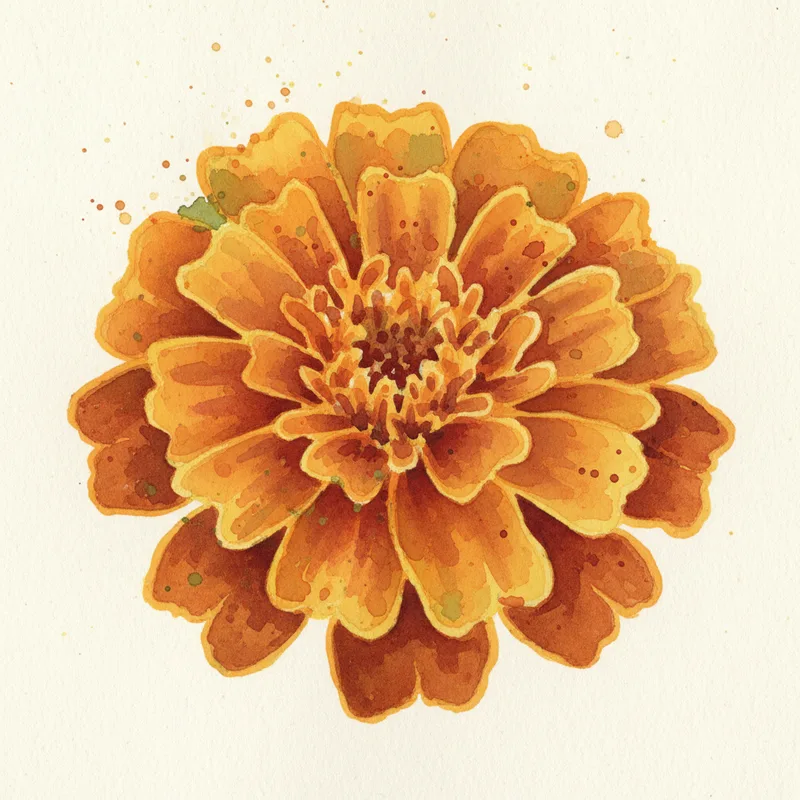
Direct-sow zinnias, cosmos, and marigolds after your last frost date, which falls in mid to late April for most of zone 7. These germinate fast in warm soil and will be blooming by June.
Zones 8-10: Race the heat
Your window for spring planting is closing. In zone 8, you have through April. In zones 9 and 10, the clock is ticking. Anything you plant now needs to establish roots before temperatures regularly hit the 90s, which could be as soon as May.
Plant heat-tolerant perennials now: salvia, coneflower, black-eyed Susan, and bee balm will handle summer once their roots are established. Lavender planted now will have time to settle in before the dry season (see our English lavender buying guide for the right variety and drainage). Dahlias can go in immediately. The soil is already warm enough.
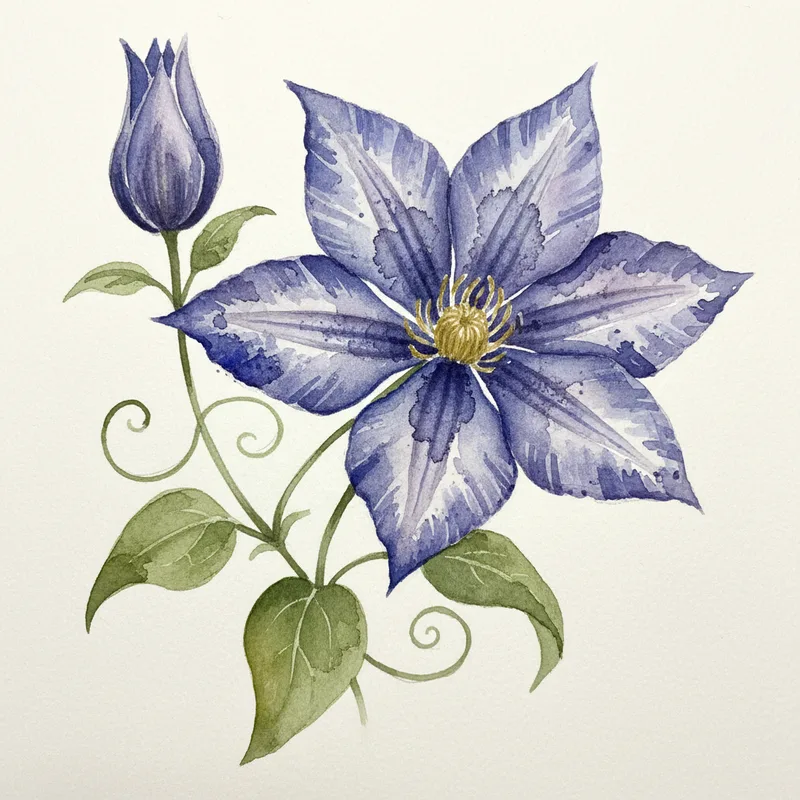
This is your last comfortable month to plant hydrangeas, clematis, and other shrubs that need consistent moisture to establish. Water deeply at planting and mulch heavily. Anything planted in May will need twice the babysitting to survive the summer. If you have not picked your variety yet, our hydrangea buying guide walks through the type (macrophylla, paniculata, arborescens, oakleaf) decision first.
What to do this month
Divide overgrown perennials before they get too tall. Hostas, daylilies, and astilbe all divide easily in April. Dig the clump, split it with a sharp spade, and replant the divisions immediately. Water well. Each piece will be a full-sized plant by midsummer.
Feed established roses and lilacs as new growth starts. A balanced granular fertilizer scratched into the soil around the drip line is all they need. Do not fertilize newly planted perennials. Let them focus on roots first, not top growth.
Harden off any seedlings you started indoors. Move them outside for a few hours each day, increasing the time over a week. Transplanting seedlings straight from a warm windowsill into the garden is a fast way to lose them. They need time to adjust to wind, direct sun, and temperature swings.
Walk your garden and note where March bloomers are finishing and gaps are appearing. Those gaps are your planting targets. Use our bloom calendar to find plants that fill the months you are missing. For plants that bloom this month, check our Pollinator Powerhouses and Nonstop Color collections. Next month brings even more options. See our guide to what to plant in May.
For a month-by-month chore checklist tailored to your USDA zone, see our garden chores by zone guide.
See what to plant in your zone
Enter your zip code on the homepage to find what blooms in your zone: Zone 4 · Zone 5 · Zone 6 · Zone 7 · Zone 8 · Zone 9







What's growing, what's blooming, what's worth planting.
For gardeners who like to stay ahead.